Introduction: Gaming as a Modern Phenomenon
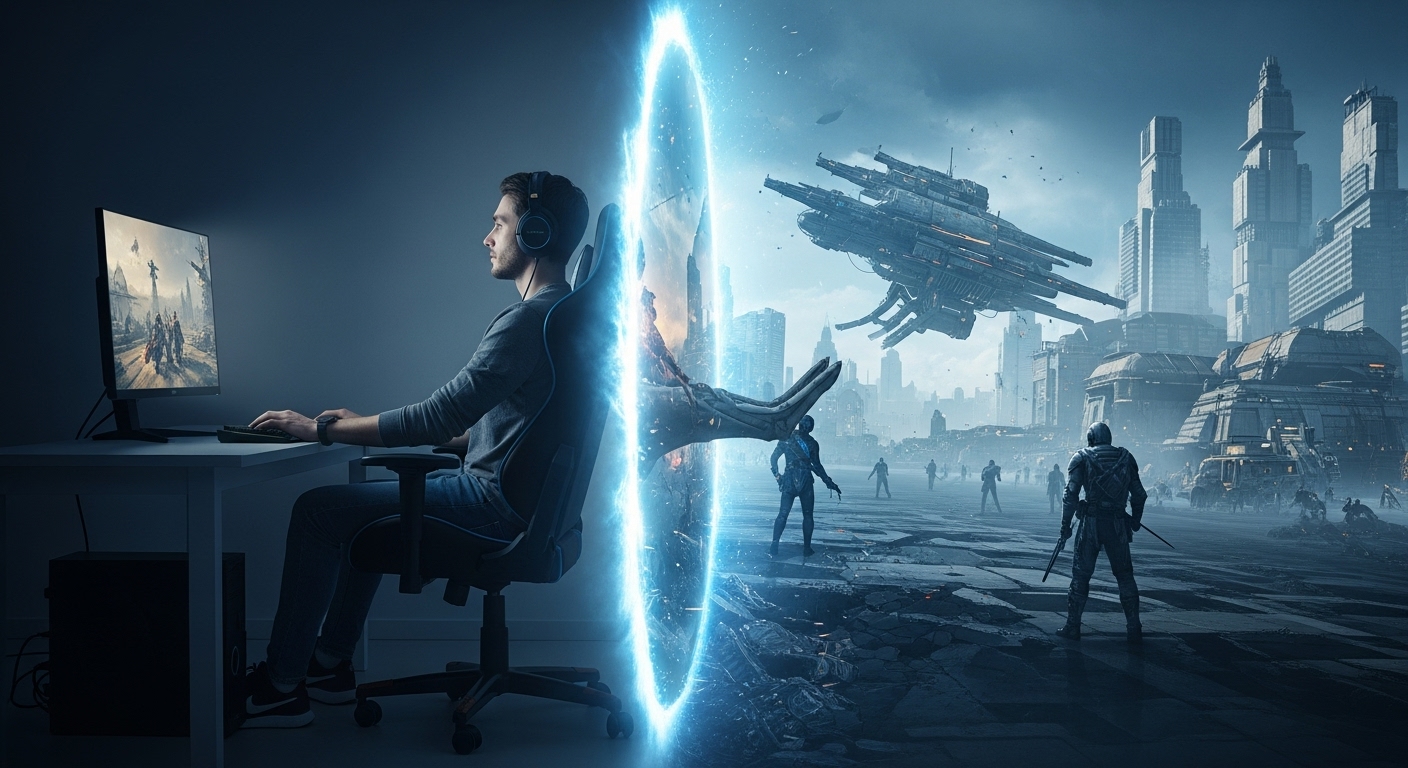
Gaming has evolved from a niche hobby into a global phenomenon that entertains, connects, and inspires millions of people. Once considered a pastime limited to arcades and home consoles, it has grown into a multi-billion-dollar industry with diverse experiences that appeal to a wide audience. Today, gaming is not just about playing; it is about storytelling, strategy, creativity, and social interaction.
Technological innovations have played a significant role in this evolution. Modern games feature immersive graphics, artificial intelligence, realistic physics, and online multiplayer modes that allow people from around the world to connect and compete. The line between reality and virtual experiences continues to blur, making gaming a dynamic and influential part of contemporary culture.
The Evolution of Gaming
Gaming has come a long way since its inception. Early video games were simple experiments with limited graphics and straightforward objectives. Games like Pong and Space Invaders offered simple yet addictive experiences that captivated players and laid the groundwork for an industry that would grow exponentially.
The introduction of home consoles in the 1980s and 1990s revolutionized gaming. Systems like the Nintendo Entertainment System and Sega Genesis brought colorful graphics, expansive gameplay, and memorable storylines into living rooms. Iconic franchises such as Super Mario, The Legend of Zelda, and Final Fantasy became cultural touchstones, combining exploration, strategy, and narrative in ways never seen before.
The rise of online gaming in the 21st century further transformed the industry. Games became platforms for social interaction, collaborative play, and competitive experiences. Virtual reality and augmented reality have taken gaming to new heights, immersing players in digital worlds that feel tangible and alive.
Types of Gaming Experiences
Gaming is no longer a one-size-fits-all activity. Different platforms and genres provide unique experiences for players.
Console Gaming
Console gaming remains highly popular due to its ease of use and high-quality performance. PlayStation, Xbox, and Nintendo Switch deliver visually rich worlds, smooth gameplay, and exclusive titles. Consoles also support both local and online multiplayer, allowing players to enjoy games socially from their homes.
PC Gaming
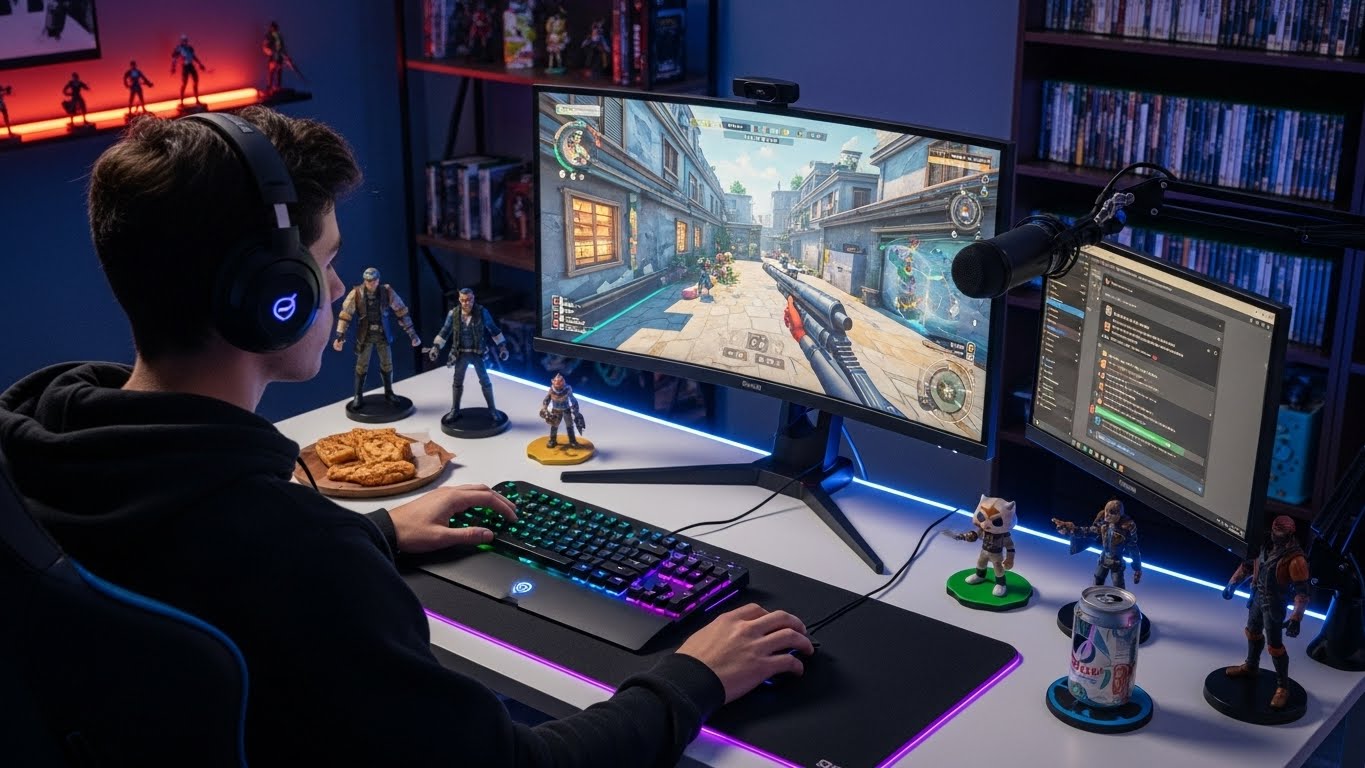
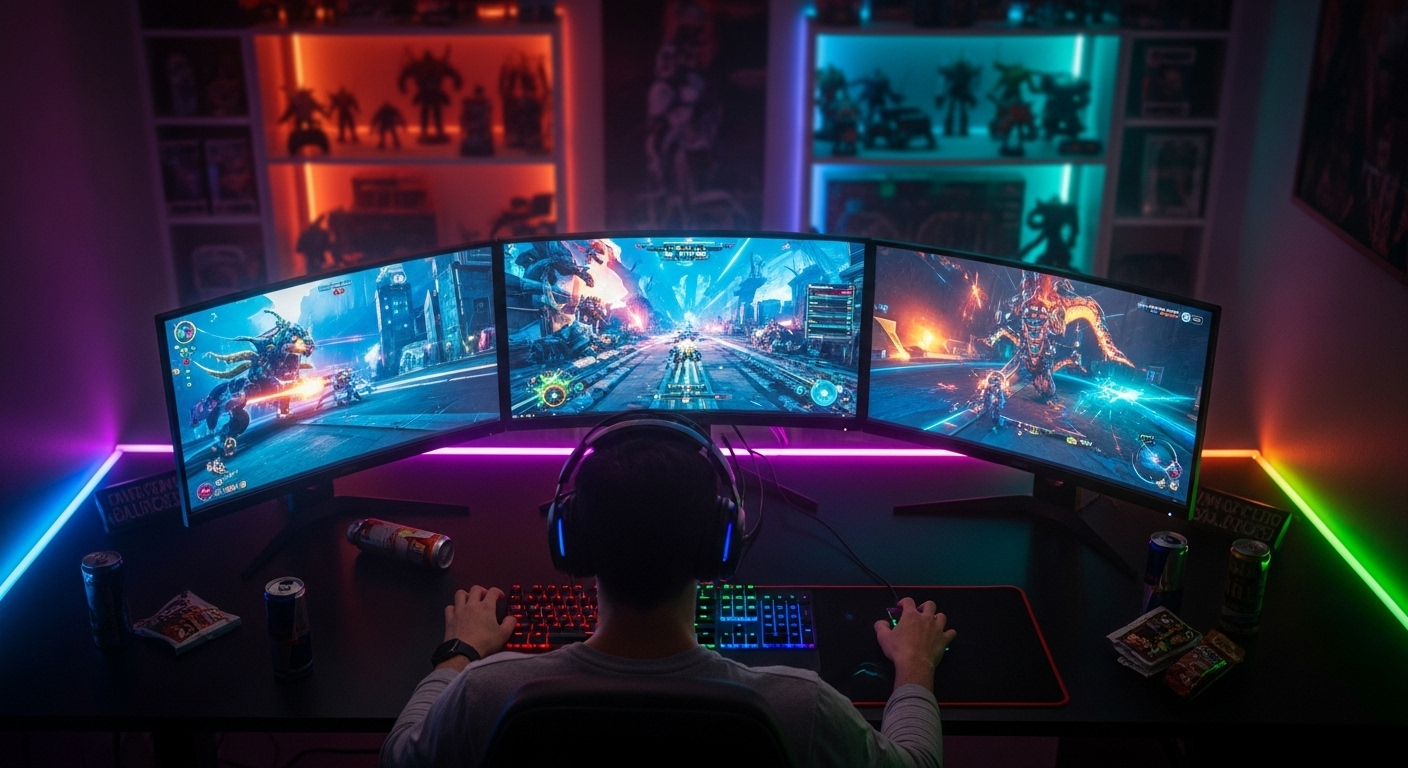
PC gaming is known for its versatility and power. High-end computers provide superior graphics, fast processing, and customizable controls. PC gamers benefit from expansive libraries of games and modding communities that enhance and extend the gaming experience. Competitive gaming thrives on PC, with esports tournaments offering large audiences and significant rewards.
Mobile Gaming
Mobile gaming has transformed accessibility, making it possible for nearly anyone to play games anytime, anywhere. Smartphones and tablets host a variety of games, from casual puzzles to intense multiplayer battles. The convenience and portability of mobile gaming have broadened the definition of who a gamer is and integrated gaming into everyday life.
Virtual and Augmented Reality
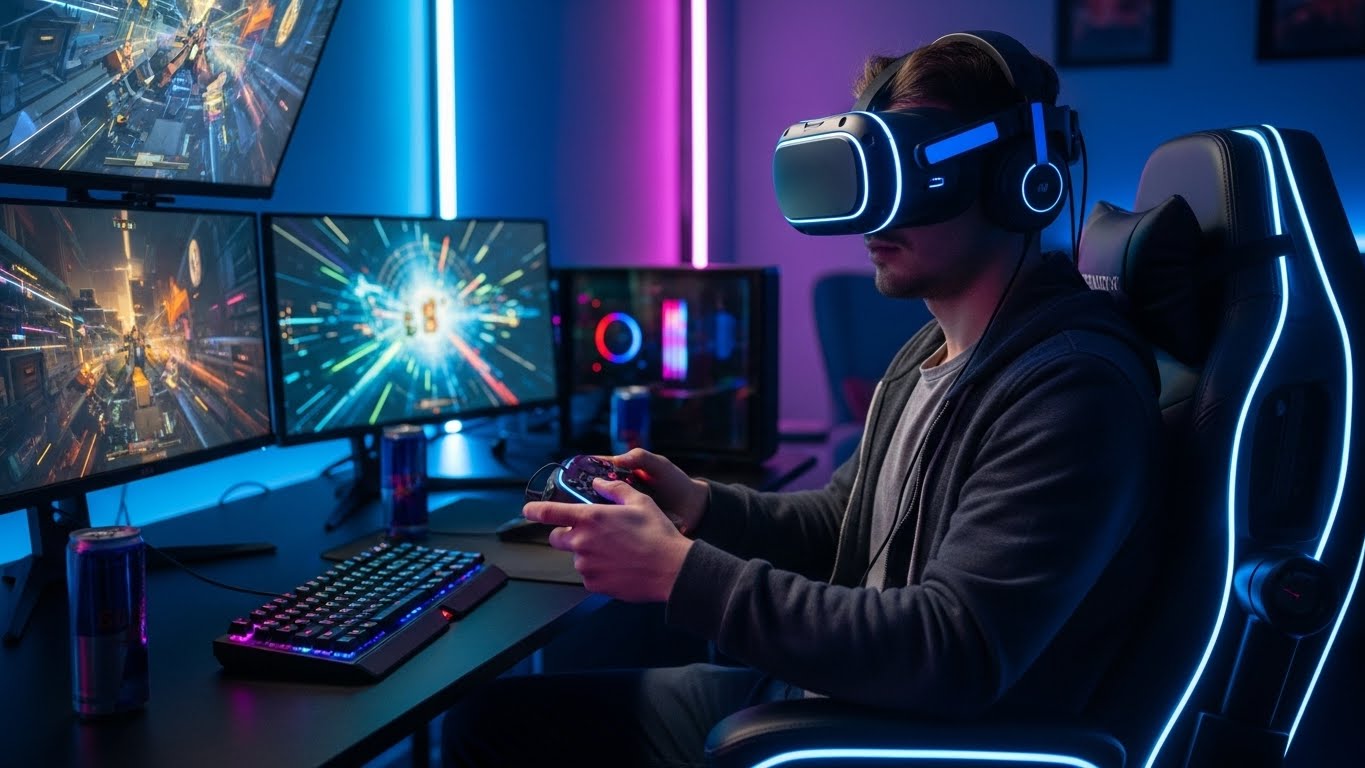
Virtual reality (VR) and augmented reality (AR) represent the next frontier in gaming. VR fully immerses players in digital worlds, while AR overlays interactive elements onto real-world environments. These technologies offer unique, interactive experiences that go beyond traditional gameplay, blending physical and digital realities in unprecedented ways.
Gaming as a Cultural Influence
Gaming has become a significant cultural force. It influences art, music, storytelling, and social interaction. Popular franchises inspire movies, merchandise, and fan communities, turning games into cultural touchstones.
Multiplayer games foster global communities. Players from different countries collaborate, compete, and form friendships, creating social connections that transcend borders. Gaming also encourages creativity through fan art, mods, streaming, and content creation. Streaming platforms have transformed gaming into a profession, allowing skilled players to gain recognition and income while entertaining audiences worldwide.
Cognitive and Psychological Benefits of Gaming
Gaming is often misunderstood as a purely recreational activity, but it offers numerous cognitive and psychological benefits. Strategic games improve problem-solving, critical thinking, and decision-making skills. Players learn to adapt to changing scenarios, analyze complex situations, and make quick choices.
Games enhance hand-eye coordination, spatial awareness, and multitasking abilities. Narrative-driven games foster empathy and moral reasoning by allowing players to experience different perspectives and navigate complex ethical dilemmas. Gaming also provides stress relief, offering immersive experiences that allow players to escape the pressures of daily life. Social and cooperative games help develop communication and collaboration skills, promoting positive mental health and social engagement.
Competitive Gaming and Esports
Esports has elevated gaming into a professional arena. Competitive gaming involves international tournaments, sponsorships, and large prize pools. Popular esports genres include first-person shooters, real-time strategy, and multiplayer online battle arenas.
Professional gamers dedicate countless hours to honing their skills, strategizing, and coordinating with teammates. Esports encompasses not only gameplay but also coaching, content creation, and broadcasting. Competitive gaming has transformed public perception, establishing gaming as a legitimate career path and inspiring aspiring players worldwide.
Technological Innovations in Gaming
Technology continues to redefine gaming experiences. Advanced graphics engines, artificial intelligence, and realistic physics simulations create immersive and interactive game worlds. Cloud gaming has made high-quality games accessible without the need for expensive hardware.
Artificial intelligence enhances gameplay by creating smart opponents, dynamic environments, and personalized challenges. Developers use AI to craft intricate narratives, lifelike interactions, and adaptive gameplay. Innovations like ray tracing, motion capture, and haptic feedback are pushing the boundaries of realism, making virtual worlds feel more tangible and engaging than ever before.
Challenges and Controversies in Gaming
Despite its growth, gaming faces challenges and controversies. Concerns about addiction, excessive screen time, and exposure to violent content are often raised. While most players engage responsibly, awareness and moderation remain essential.
Representation and diversity are ongoing issues. Historically, gaming has underrepresented certain groups, both in character design and industry roles. Efforts to create more inclusive narratives and equitable opportunities are shaping the future of the industry.
Monetization strategies, such as microtransactions and loot boxes, have sparked debates about fairness and ethics. Developers must balance profitability with player satisfaction to maintain trust and engagement in the gaming community.
The Future of Gaming
The future of gaming promises continued innovation and wider integration into daily life. Virtual reality, augmented reality, and artificial intelligence will redefine immersive gameplay and interactive storytelling. Cloud gaming and streaming services will democratize access, allowing more players to enjoy high-quality games without expensive hardware.
Interactive narratives will become more personalized, enabling players to shape storylines and create unique experiences. Social gaming will expand, emphasizing collaboration and community. Gaming will increasingly intersect with education, healthcare, and professional development, demonstrating its potential as a tool for learning, therapy, and skill-building.
Conclusion: Gaming as a Universal Experience
Gaming has transcended its origins as a simple hobby to become a global cultural phenomenon. It blends art, technology, social interaction, and personal growth in ways few other mediums can. Through immersive worlds, competitive arenas, and innovative technology, gaming entertains, challenges, and inspires.
Whether exploring fantastical landscapes, competing in esports, or enjoying mobile puzzles, gaming communicates a universal language of creativity and imagination. It connects people, fosters communities, and encourages critical thinking and strategy.
Ultimately, gaming represents the boundless potential of human creativity. It is not just entertainment; it is a platform for connection, exploration, and growth. As technology advances and storytelling evolves, gaming will continue to deliver experiences that are immersive, socially engaging, and personally enriching. It is a journey into the digital universe, where the possibilities are limited only by imagination.