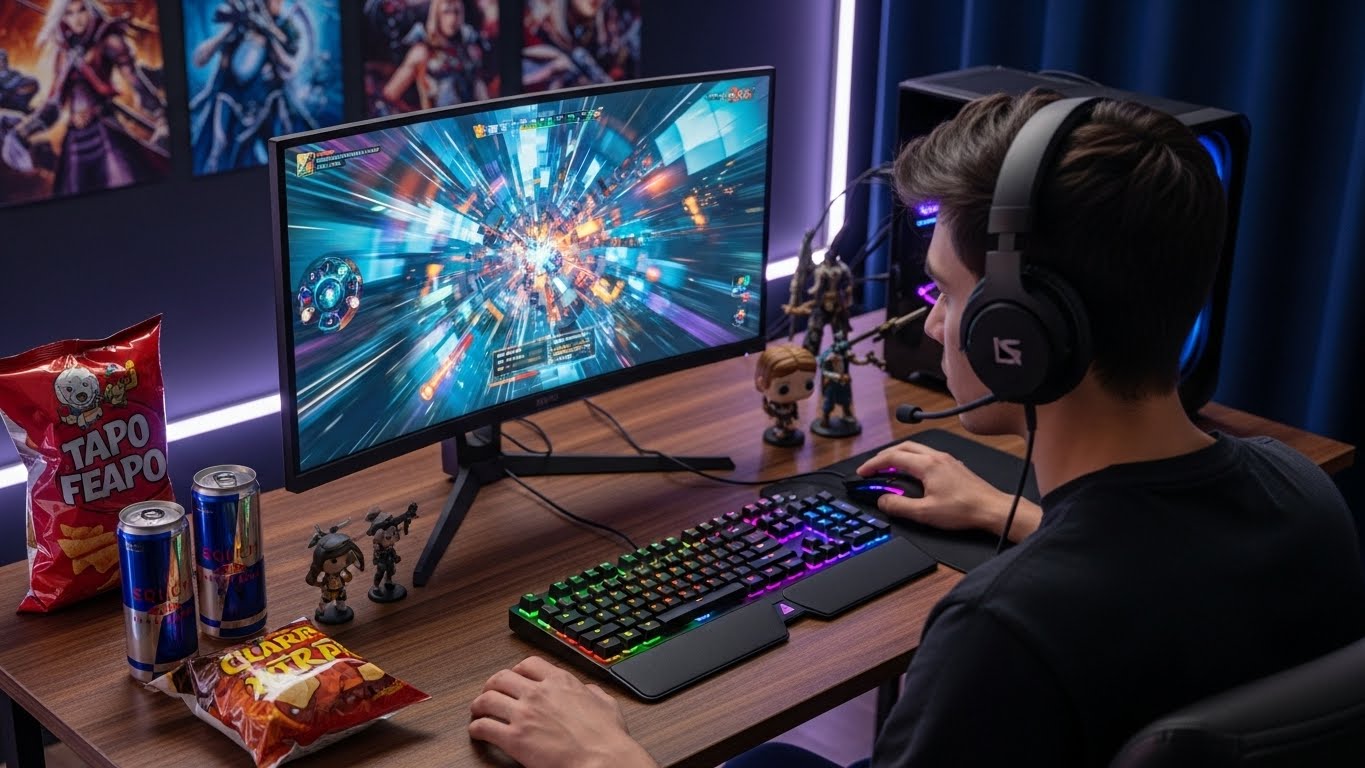
Introduction: Gaming as a Transformative Experience
Gaming has evolved far beyond its origins as a simple form of entertainment. What once started as a pastime for a niche group of enthusiasts has transformed into a multi-billion-dollar industry influencing culture, technology, and human interaction. Gaming is now a platform for storytelling, socialization, creativity, and even professional careers. The evolution of gaming reflects the progression of human imagination and the way we interact with technology. In modern times, video games are not just leisure activities—they are experiences that engage the mind, challenge reflexes, and build communities.
The Origins of Gaming: From Arcades to Home Consoles
The roots of gaming lie in the arcades of the 1970s and early 1980s. Early titles like Pong, Space Invaders, and Pac-Man may seem simple by today’s standards, but they introduced the concept of interactive entertainment to a wide audience. These games were accessible, fun, and highly competitive, paving the way for a culture where high scores and achievements became central to the gaming experience. The transition from arcades to home consoles, such as the Atari 2600 and Nintendo Entertainment System, brought gaming into the living room. Suddenly, players could enjoy immersive experiences from the comfort of their homes, making video games a household phenomenon and opening doors for narrative-driven titles.
The Evolution of Graphics and Gameplay Mechanics
As technology progressed, gaming experienced a revolution in graphics and gameplay complexity. The 1990s and early 2000s saw a shift from 2D to 3D graphics, allowing developers to create vast worlds filled with interactive elements. Games like Super Mario 64 and The Legend of Zelda: Ocarina of Time introduced players to open-ended exploration and immersive storytelling. Gameplay mechanics became more sophisticated, integrating strategy, role-playing, and puzzle-solving elements. The concept of player agency grew, giving gamers the power to shape their experiences within virtual worlds. This evolution established video games as a medium capable of combining artistry, narrative, and interactive design.
The Social Dimension of Online Gaming
The rise of the internet transformed gaming into a social experience. Online multiplayer games like World of Warcraft, Counter-Strike, and later Fortnite created virtual spaces where players could connect with others globally. Multiplayer gaming not only encouraged collaboration and teamwork but also fostered a sense of community. Players form friendships, compete in tournaments, and share experiences in ways that transcend geographical boundaries. Online gaming has also influenced culture, from shared memes to global events, demonstrating that video games are not only a form of personal entertainment but also a medium for social interaction and collective engagement.
Mobile Gaming: Gaming in the Palm of Your Hand
Mobile gaming revolutionized accessibility in the gaming world. Smartphones and tablets allowed games to reach people who might never own a console or gaming PC. Casual games like Candy Crush, Clash of Clans, and Pokémon Go appealed to a broader audience, from children to adults, and introduced gaming as a daily activity. Mobile platforms also encouraged innovative gameplay through touch controls, motion sensors, and augmented reality. This widespread accessibility ensured that gaming became a mainstream form of entertainment, expanding its influence beyond traditional players and creating a culture where gaming could happen anytime, anywhere.
Immersive Technologies: Virtual and Augmented Reality
Virtual reality and augmented reality are redefining the gaming experience. VR allows players to step directly into digital worlds, creating an unprecedented level of immersion. Games like Beat Saber and Half-Life: Alyx demonstrate how VR engages both the mind and body, making players active participants rather than passive observers. Augmented reality games blend digital content with the real world, creating hybrid experiences that challenge traditional boundaries of gameplay. These technologies enhance storytelling, strategy, and interaction, promising a future where gaming is not only visual and interactive but also physically engaging and emotionally resonant.
Esports: Competitive Gaming as a Professional Career
Competitive gaming, or esports, has emerged as a legitimate professional field. Players train rigorously, participate in tournaments, and compete for substantial prizes. Popular titles like League of Legends, Dota 2, and Call of Duty have professional leagues with millions of fans watching live streams and events. Esports has created a unique culture where players are celebrated as athletes and celebrities, and teams cultivate dedicated fan bases. This professionalization of gaming has redefined the perception of video games, elevating them from casual entertainment to a recognized and respected competitive sport.
The Art of Storytelling in Video Games
Modern video games excel in delivering immersive narratives. Unlike books or movies, games allow players to influence story outcomes through their choices and actions. Titles like The Witcher series, Red Dead Redemption, and The Last of Us offer complex storylines and emotionally charged characters, creating a sense of personal investment for the player. Storytelling in games is multidimensional, combining visuals, sound, dialogue, and gameplay mechanics to craft experiences that are interactive and emotionally engaging. This interactivity distinguishes games as a unique storytelling medium capable of eliciting empathy and emotional resonance in ways other forms of media cannot.
Cognitive and Social Benefits of Gaming
Video games offer more than entertainment; they can also enhance cognitive and social skills. Strategic games improve problem-solving abilities, planning, and decision-making. Multiplayer and cooperative games foster teamwork, communication, and leadership skills. Moreover, games can serve as stress relievers and outlets for creativity, offering players opportunities to experiment, create, and innovate in virtual environments. Some educational games even promote learning in subjects like mathematics, history, and science, demonstrating that gaming can be a powerful tool for intellectual and personal development.
Challenges and Ethical Considerations in Gaming
Despite its many benefits, gaming faces challenges and controversies. Concerns about addiction, excessive screen time, and exposure to violent content persist. Issues of representation, inclusion, and fair monetization also require attention. Game developers and communities are increasingly addressing these challenges through features like parental controls, inclusive storytelling, and ethical in-game purchases. By promoting responsible gaming practices and designing experiences that respect player well-being, the industry continues to evolve while maintaining its creative and social value.
The Future of Gaming: Boundless Possibilities
The future of gaming promises unprecedented innovation. Artificial intelligence, cloud gaming, and procedural content generation are creating worlds that adapt to individual players’ choices, offering infinite replayability and personalized experiences. Games are likely to blur the lines between reality and fiction, integrating more immersive storytelling, cross-platform experiences, and social interaction. As gaming continues to expand its reach, it will remain a medium for creativity, social connection, and personal growth, proving that video games are not just entertainment—they are a reflection of human ingenuity and imagination.
Conclusion: Gaming as a Cultural Force
Gaming has grown from simple pixelated experiences into an influential global phenomenon that shapes culture, technology, and social interaction. From early arcades to home consoles, online worlds, mobile platforms, and immersive VR experiences, gaming continues to evolve, offering endless possibilities for creativity, learning, and human connection. It is a medium where stories are lived, communities are formed, and challenges are embraced. The journey of gaming reflects our desire to explore, compete, and connect, and it shows no signs of slowing down. As technology advances and the gaming industry continues to innovate, video games will remain a dynamic and transformative force in the modern world.