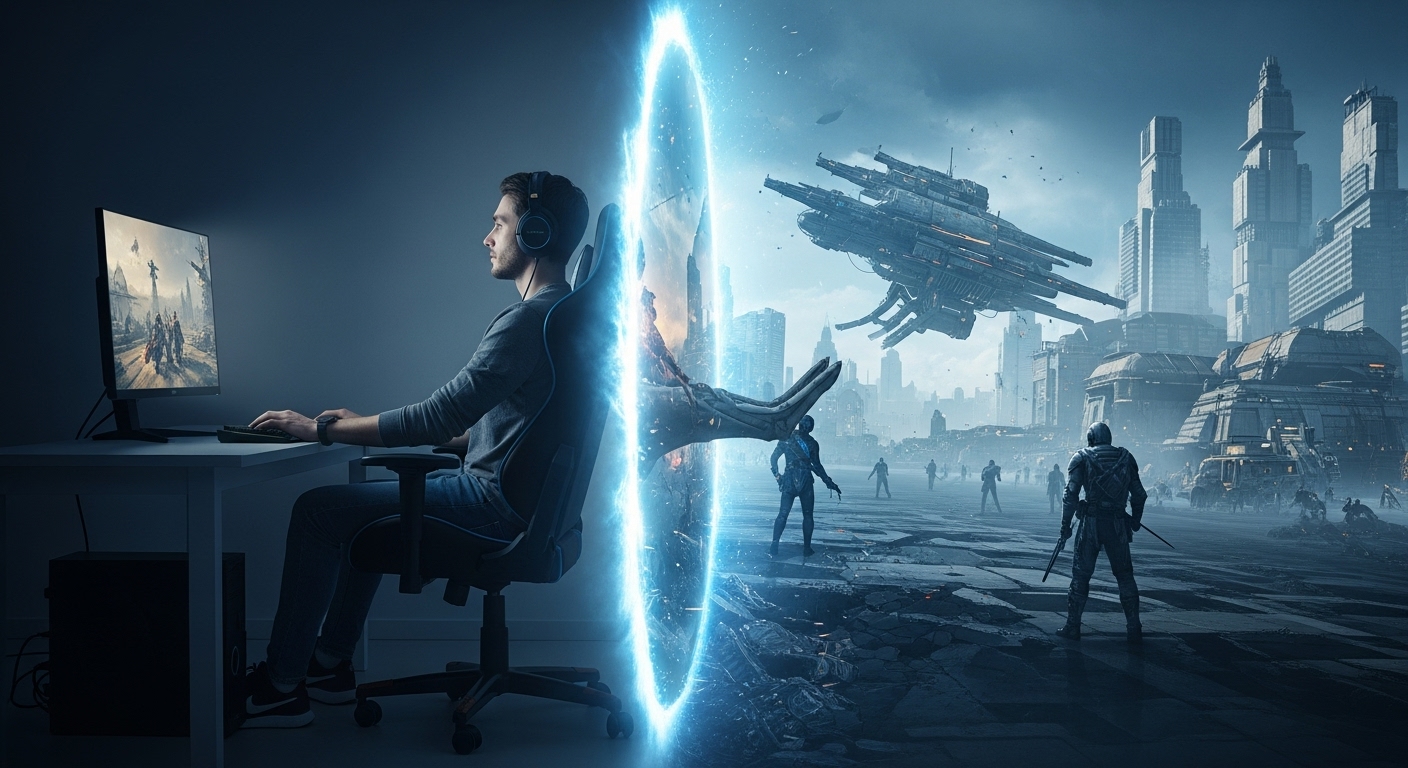
Gaming has transformed from a niche hobby into a global phenomenon that entertains, challenges, and connects millions of people around the world. What started as simple pixelated games has now evolved into complex worlds with lifelike graphics, intricate storytelling, and immersive experiences that blur the line between reality and imagination. Yet, despite all technological advancements, the heart of gaming remains innovation. This post delves into the world of gaming, exploring its evolution, unique experiences, and the ways it continues to shape culture, creativity, and human interaction.
The Evolution of Gaming
The history of gaming stretches back decades, from the birth of arcade classics to the rise of consoles and personal computers. Early games like Pong and Space Invaders relied on straightforward mechanics, offering players the thrill of competition and entertainment. These games were limited by technology but were nonetheless revolutionary, laying the groundwork for an entire industry.
As consoles like the Nintendo Entertainment System and Sega Genesis emerged, gaming began to evolve into a more narrative-driven medium. Titles like Super Mario Bros., The Legend of Zelda, and Sonic the Hedgehog combined storytelling with engaging gameplay, introducing players to imaginative worlds and characters that would leave a lasting impact. With the introduction of 3D graphics in the 1990s, games like Final Fantasy VII and Tomb Raider transformed gaming into an immersive experience, demonstrating that video games could rival films and literature in narrative depth and emotional engagement.
Today, gaming encompasses a vast array of genres, platforms, and styles. From high-budget AAA titles to indie gems, gaming offers something for everyone. More importantly, it has become a platform for creativity and experimentation, where developers push boundaries to create unique and memorable experiences.
The Rise of Unique Gaming Experiences
While mainstream games often follow familiar templates, there is a growing demand for games that break the mold. Unique gaming experiences are characterized by innovation in mechanics, storytelling, art, or player interaction. These games often challenge expectations, encourage critical thinking, and deliver memorable experiences that go beyond traditional gameplay.
Indie developers are at the forefront of this trend, using smaller budgets and creative freedom to experiment with new ideas. Titles like Journey, Papers, Please, and The Stanley Parable have captivated audiences with unconventional narratives, minimalist design, and thought-provoking mechanics. These games demonstrate that creativity and originality can rival technical sophistication in creating a compelling player experience.
Unique games often invite players to reflect, explore, and engage in ways that traditional games do not. They can evoke strong emotions, present moral dilemmas, or provide surreal, whimsical experiences that leave lasting impressions. They remind us that gaming is not just about entertainment—it is an art form capable of delivering profound, personal, and transformative experiences.
Immersive Storytelling in Gaming
One of the most powerful aspects of gaming is its ability to tell stories in ways other media cannot. Unlike films or books, video games allow players to interact with the narrative, make choices, and experience consequences. This interactivity creates a deeper connection between players and the story, making gaming a uniquely immersive medium.
Games like The Last of Us and Red Dead Redemption 2 exemplify how storytelling in gaming has matured. These titles feature rich character development, moral complexity, and cinematic presentation, making players feel as if they are living within the story. Even more experimental games like Firewatch or What Remains of Edith Finch use narrative techniques that deviate from traditional structures, allowing players to explore environments and uncover stories at their own pace.
Interactive storytelling in gaming empowers players to become active participants rather than passive consumers. It fosters empathy, emotional investment, and reflection, showing that games can have meaningful impact beyond mere entertainment.
Gameplay Innovation and Mechanics
Innovation in gameplay mechanics is another hallmark of unique gaming experiences. Developers constantly experiment with new ways for players to interact with virtual worlds, creating mechanics that challenge traditional notions of gameplay.
For example, Portal introduced a revolutionary puzzle mechanic based on manipulating portals to navigate space, combining physics, strategy, and clever storytelling. Similarly, games like Undertale allow players to resolve conflicts through choices rather than combat, emphasizing empathy and moral reasoning.
Even games with simpler concepts can be innovative. Katamari Damacy, for instance, takes a seemingly absurd premise—rolling objects into a growing ball—and turns it into an addictive and joyful experience. These examples illustrate that gameplay innovation does not always require complexity; it requires creativity, imagination, and the courage to try something different.
The Cultural Impact of Gaming
Gaming has grown beyond a form of entertainment into a powerful cultural force. It influences art, music, literature, and even social interactions. Communities have formed around games, connecting people across the globe and fostering collaboration, competition, and shared experiences. Esports, streaming platforms, and online multiplayer games have made gaming a social and cultural phenomenon, allowing players to interact, compete, and create content in ways previously unimaginable.
Moreover, gaming has become a medium for education, storytelling, and social commentary. Games like Papers, Please explore moral and ethical dilemmas, while titles such as This War of Mine depict the harsh realities of conflict and survival. Gaming can raise awareness, provoke thought, and inspire change, demonstrating that it has the power to impact society in meaningful ways.
The Future of Gaming
The future of gaming is full of possibilities. Advancements in virtual reality, augmented reality, and artificial intelligence are poised to transform the gaming experience further, making it even more immersive and interactive. Virtual reality offers players the ability to inhabit worlds in unprecedented ways, while artificial intelligence can create adaptive narratives and smarter, more dynamic game worlds.
Moreover, cloud gaming and streaming technology are making games more accessible, allowing players to experience high-quality gaming without expensive hardware. As technology evolves, developers will continue to explore new mechanics, storytelling methods, and artistic expressions, further expanding the boundaries of what games can be.
The future also promises greater inclusivity and diversity in gaming. Developers are increasingly exploring stories from underrepresented perspectives, creating characters and worlds that reflect the richness of human experience. This evolution ensures that gaming will continue to grow not only as entertainment but as a medium for cultural expression and creative innovation.
Conclusion
Gaming has come a long way from its humble beginnings, evolving into a complex, immersive, and culturally significant medium. Unique games exemplify the creativity and innovation that make gaming an art form, offering experiences that challenge, entertain, and inspire. Through immersive storytelling, inventive gameplay mechanics, and cultural relevance, games continue to redefine what it means to play. As technology advances and developers continue to push boundaries, the world of gaming promises to remain a space of limitless creativity, exploration, and discovery. Whether you are a casual player or a dedicated gamer, the future of gaming holds endless possibilities, inviting everyone to explore, engage, and experience worlds beyond imagination.