Introduction: Gaming as a Modern Cultural Force
Video gaming has grown from a simple pastime into a global phenomenon that influences culture, technology, and social connection. What once was limited to arcade machines and early home consoles is now an expansive industry that spans consoles, PCs, mobile devices, and virtual reality systems. Modern gaming is not just about entertainment; it has become a tool for creativity, education, personal development, and social interaction. Millions of players worldwide engage with games for fun, competition, storytelling, and social connection, making gaming one of the most significant forms of contemporary media.
The Evolution of Gaming
The evolution of gaming reflects the rapid development of technology and cultural trends. In the 1970s and 1980s, arcade games such as Pong, Space Invaders, and Pac-Man captivated audiences with their simplicity and challenge. These early games laid the foundation for interactive entertainment, demonstrating that players craved engagement rather than passive observation.
The 1980s and 1990s brought home consoles like the Nintendo Entertainment System and Sega Genesis, which allowed players to experience complex games in the comfort of their living rooms. Personal computers introduced strategy games, simulations, and role-playing experiences, offering deeper levels of interactivity.
The rise of the internet and online multiplayer gaming connected players across the globe. Mobile devices further expanded gaming’s reach, making it accessible to a vast audience. Today, cutting-edge technologies such as virtual reality, augmented reality, and cloud gaming continue to redefine the possibilities of interactive experiences, creating a level of immersion previously unimaginable.
Immersive Storytelling in Gaming
One of gaming’s most unique aspects is its approach to storytelling. Unlike traditional media, games allow players to influence the narrative through choices, actions, and exploration. This interactivity creates deep emotional engagement and personal investment in the game world.
Role-playing games, adventure titles, and narrative-driven games feature complex characters, branching storylines, and moral dilemmas. Each decision can alter the outcome of the story, making players active participants rather than passive viewers. This interactive storytelling fosters empathy, critical thinking, and emotional intelligence, demonstrating that gaming is a medium capable of delivering profound narrative experiences.
The Social Aspect of Multiplayer Gaming
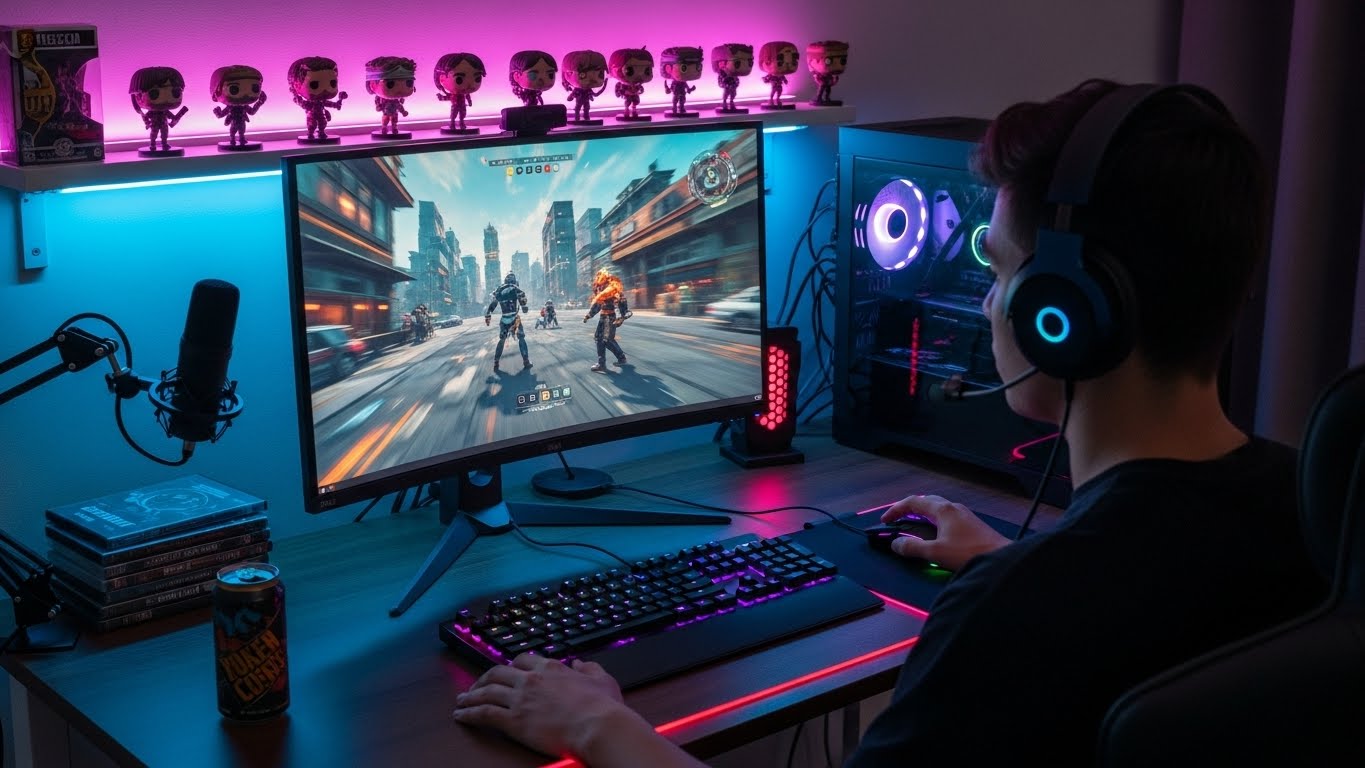
Modern gaming is as much about community as it is about gameplay. Online multiplayer games connect players from around the world, enabling collaboration, competition, and socialization. Gamers join guilds, clans, and teams to tackle challenges collectively, fostering teamwork and strategic thinking.
Gaming communities extend beyond the virtual world. Players share tips, fan creations, and strategies, forming social bonds and creative collaborations. These communities transcend geographical boundaries, bringing people together regardless of culture or language. For many, gaming is a social lifeline, providing friendships and support networks that rival those in the physical world.
Esports and Competitive Gaming
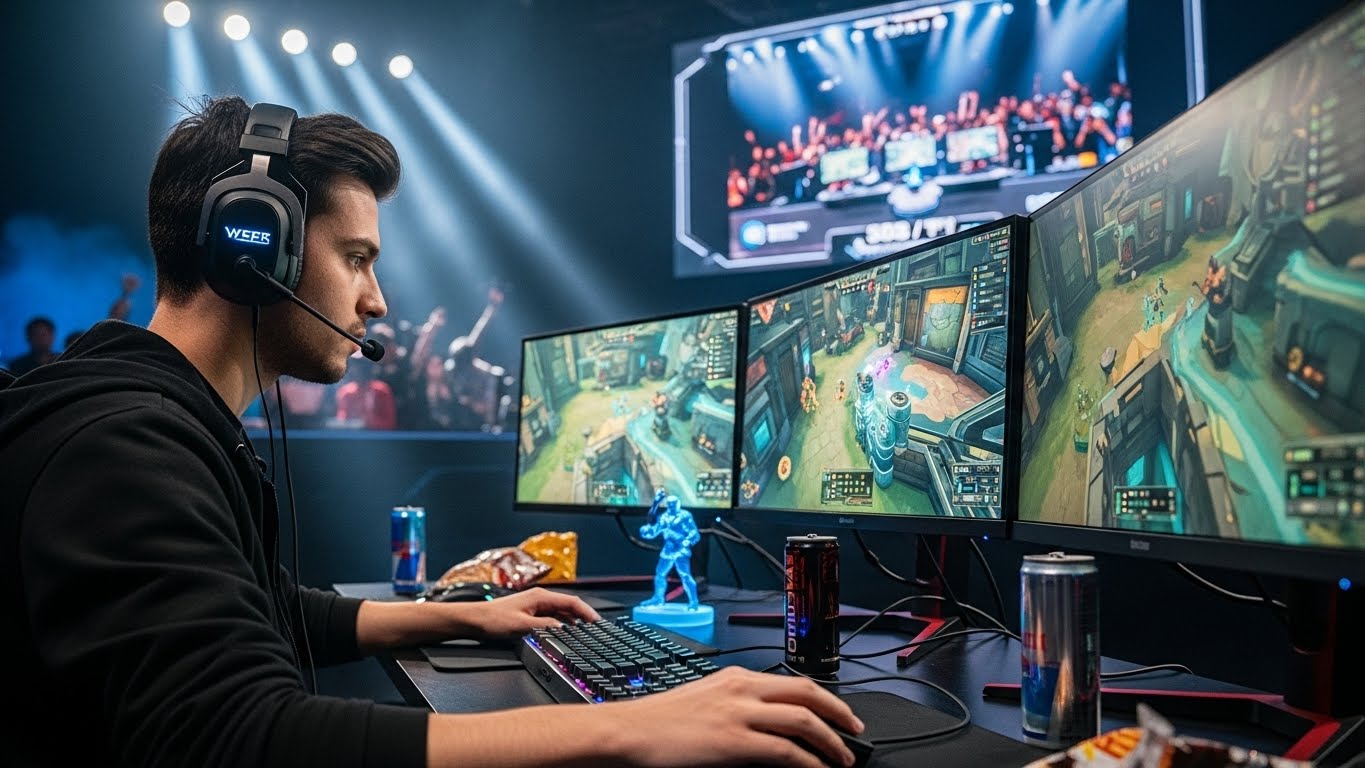
The rise of esports has transformed gaming into a professional and competitive arena. Players dedicate countless hours to mastering skills, strategy, and teamwork, competing in tournaments with global audiences. Esports mirrors traditional sports in its demand for discipline, precision, and mental agility.
Professional esports athletes have become household names, while tournaments attract millions of viewers worldwide. Sponsorships, streaming, and professional teams have created career paths within the gaming industry, elevating gaming to a respected and highly visible profession. The growth of esports demonstrates that gaming is not only a form of entertainment but also a legitimate competitive pursuit.
Technology Driving Gaming Innovation
Gaming is deeply intertwined with technological advancement. Graphics engines, artificial intelligence, motion capture, and sound design allow developers to create rich, immersive worlds. AI enhances gameplay by creating adaptive opponents and dynamic environments, making experiences challenging and realistic.
Virtual reality and augmented reality have introduced new levels of immersion. VR enables players to step directly into game worlds, while AR blends the real and digital, creating interactive experiences within physical environments. Cloud gaming has removed barriers to access, enabling high-quality gaming without the need for expensive hardware. These technological innovations continue to expand the possibilities of gaming, making it a frontier for creativity and entertainment.
Gaming as a Platform for Creativity
Games are not only a form of play but also a medium for creative expression. Sandbox games, simulation titles, and user-generated content allow players to build worlds, craft stories, and design characters. This creative freedom empowers individuals to explore their imagination and share it with others.
Gaming also provides opportunities for self-expression and identity exploration. Players can customize avatars, experiment with different roles, and develop unique playstyles. This combination of creativity and interactivity makes gaming a compelling tool for personal development and artistic expression.
Cognitive and Mental Benefits of Gaming
Gaming offers numerous cognitive and mental health benefits when engaged in responsibly. Strategy and puzzle games improve critical thinking, problem-solving, and decision-making skills. Action games enhance reflexes, spatial awareness, and hand-eye coordination. Role-playing games encourage planning, multitasking, and resource management.
Beyond cognitive skills, gaming provides emotional and psychological benefits. Immersive experiences can reduce stress, boost mood, and create a sense of accomplishment. Multiplayer games enhance social interaction, providing companionship and fostering teamwork. Gaming, therefore, serves as both entertainment and a tool for mental stimulation and emotional well-being.
Gaming in Education and Professional Training
Educational and professional applications of gaming are expanding rapidly. Educational games teach complex subjects like mathematics, science, history, and language in interactive ways that enhance learning. Game-based learning encourages exploration, experimentation, and critical thinking, making education engaging and effective.
In professional environments, simulation games are used for training in fields such as healthcare, aviation, and emergency response. These virtual environments allow learners to practice real-world scenarios safely, improving skills, decision-making, and confidence. Gaming is increasingly recognized as a valuable educational and professional tool, bridging learning with interactive technology.
The Future of Gaming
The future of gaming promises continued innovation and transformation. Advances in virtual reality, augmented reality, and haptic technology will create even more immersive and interactive experiences. Players may soon feel textures, motion, and environmental changes within games, enhancing realism and engagement.
Cloud-based gaming and cross-platform play will make high-quality experiences accessible to more people, connecting players across devices. Artificial intelligence will further personalize gameplay, and procedural generation could offer endless new worlds to explore. Gaming is positioned to remain a central part of entertainment, education, and social connection for years to come.
Conclusion: Gaming as a Transformative Medium
Gaming has evolved into far more than simple entertainment. It is a cultural, social, and technological force that shapes modern life. Through immersive storytelling, vibrant communities, competitive esports, and creative expression, gaming offers experiences that challenge the mind, foster creativity, and connect people around the world.
Whether for leisure, competition, personal growth, or education, gaming continues to redefine what entertainment can be. Its impact on society, technology, and human interaction demonstrates that gaming is not merely a hobby—it is a transformative medium that will continue to shape the future in exciting and unexpected ways.