Introduction: Gaming Beyond Entertainment
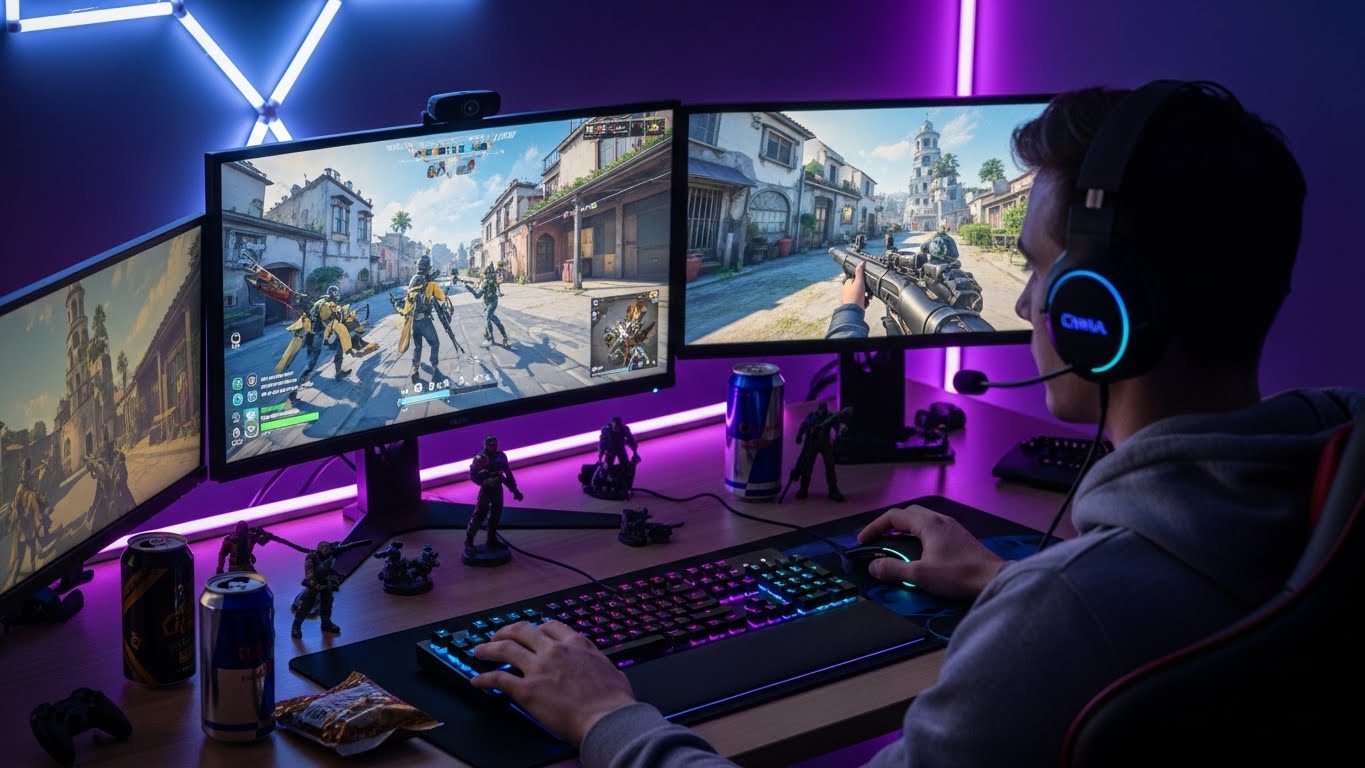
Gaming is no longer just a pastime for teenagers or niche communities. Over the past two decades, it has evolved into a cultural phenomenon that impacts people of all ages. From casual mobile games to intricate role-playing adventures, gaming has grown into a medium capable of storytelling, social interaction, and even personal development. While critics often dismiss it as a distraction or a waste of time, research and experience show that gaming can have profound cognitive, emotional, and social benefits.
The Evolution of Gaming
The history of gaming is as fascinating as the experiences it offers today. Early video games were simple and pixelated, with titles like Pong and Space Invaders capturing the imagination of players. The 1980s and 1990s brought home consoles and arcade culture, creating iconic franchises and cultivating communities around shared experiences. With the rise of the internet, gaming transformed into an interconnected global activity. Multiplayer online games, competitive esports, and virtual worlds emerged, allowing players to collaborate and compete in real-time across continents. Today, gaming spans mobile apps, virtual reality, and cloud platforms, making it more accessible and diverse than ever.
Cognitive Benefits of Gaming
Contrary to popular belief, gaming is not merely mindless entertainment. Studies have shown that certain games enhance cognitive abilities such as problem-solving, spatial awareness, and multitasking. Strategy games challenge players to plan and adapt to evolving scenarios, honing critical thinking skills. Puzzle games require logical reasoning and pattern recognition, improving mental agility. Even fast-paced action games can enhance reaction time and hand-eye coordination. For children and adults alike, gaming provides a unique environment where learning is immersive and interactive, often without the pressure of traditional educational settings.
Emotional and Psychological Impacts
Gaming is also a powerful tool for emotional development. Immersive narratives in story-driven games can evoke empathy, compassion, and a deeper understanding of complex human emotions. Players often form strong attachments to characters, making decisions that reflect moral and ethical reasoning. Beyond storytelling, gaming can serve as a stress reliever. Engaging in a favorite game after a long day can provide a sense of accomplishment, escape, and relaxation. Cooperative games, where players work together toward a shared goal, foster teamwork and social connection, reducing feelings of isolation and promoting mental well-being.
Gaming as a Social Platform
Modern gaming has become an extraordinary social platform. Multiplayer online games connect people from different cultures and backgrounds, allowing them to build friendships and communities. Voice chats, guilds, and clans create spaces for collaboration, strategy, and support. Social gaming goes beyond competition; it encourages cooperation and communication. The rise of streaming and content creation has also transformed gaming into a participatory culture, where players share experiences, tips, and entertainment with global audiences. Gaming communities have become hubs for social interaction, often rivaling traditional social networks in engagement and influence.
The Rise of Esports
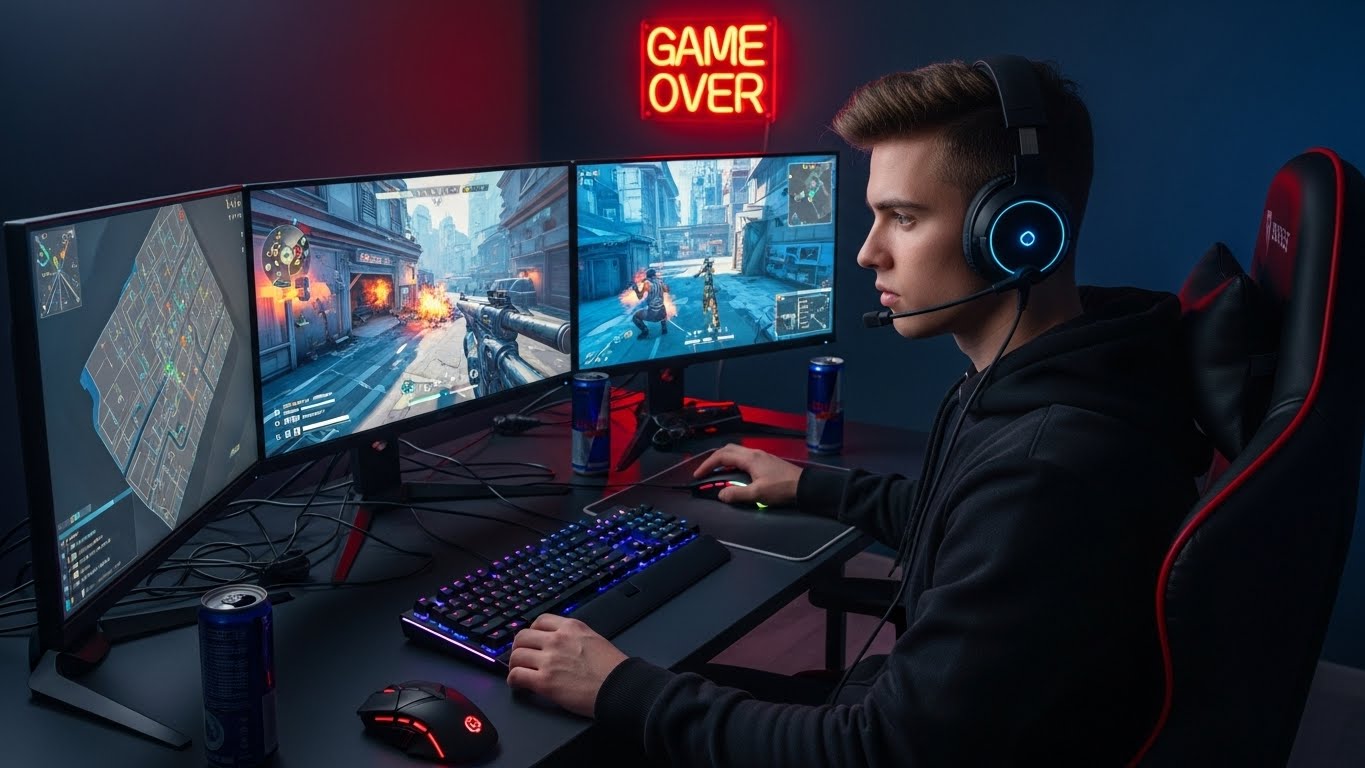
One of the most significant trends in gaming today is the rise of esports. Competitive gaming has grown into a professional industry, with tournaments offering prize pools in the millions. Esports athletes train rigorously, developing strategic thinking, precision, and teamwork skills akin to traditional sports. This professionalization has elevated gaming’s cultural status, proving that it is more than a hobby—it is a legitimate career path for talented individuals. The spectacle of esports events also draws millions of viewers, creating a shared global experience that further cements gaming’s place in modern culture.
Gaming and Creativity
Games are not just about completing objectives; they are also a canvas for creativity. Sandbox games allow players to design worlds, craft stories, and experiment with unique solutions. Creativity flourishes when players are given tools to shape their environment and influence outcomes. Even games with strict rules challenge players to think outside the box, encouraging innovation and strategic experimentation. For young gamers, this creative engagement can translate into skills applicable in art, design, programming, and problem-solving in real life. Gaming, therefore, becomes both a form of entertainment and a creative outlet.
Educational Applications of Gaming
The educational potential of gaming is immense. Educational games combine learning with play, making complex subjects engaging and interactive. Gamification, the integration of game mechanics into non-gaming contexts, motivates learners to persist through challenges by rewarding progress and achievement. Language learning, history, mathematics, and science can all be taught effectively through well-designed games. Schools and institutions increasingly recognize the value of gaming as a pedagogical tool, demonstrating that it can cultivate knowledge and skills in ways traditional methods sometimes cannot.
Challenges and Criticisms
Despite its benefits, gaming is not without challenges. Excessive gameplay can lead to issues such as addiction, social withdrawal, and physical health concerns. The immersive nature of games can sometimes blur boundaries between virtual and real life, particularly for younger players. Additionally, certain online environments may expose players to toxic behavior, harassment, or inappropriate content. Addressing these challenges requires a balance of moderation, parental guidance, community standards, and self-awareness. When approached responsibly, the positive aspects of gaming can far outweigh the negatives.
The Future of Gaming
The future of gaming is boundless. Advances in technology promise more immersive experiences, including augmented reality, virtual reality, and AI-driven narratives that adapt dynamically to player choices. Cross-platform play and cloud gaming make it easier than ever for people to connect and compete, breaking down traditional barriers. Furthermore, gaming’s integration into education, mental health, and professional development is likely to expand, solidifying its role as a transformative medium. As the boundaries between gaming and real-world applications continue to blur, the potential for growth, connection, and personal development is limitless.
Conclusion: More Than Just a Game
Gaming is not just a form of entertainment—it is a multifaceted phenomenon with cognitive, emotional, social, and professional dimensions. It encourages critical thinking, fosters creativity, nurtures social bonds, and can even serve educational and therapeutic purposes. By embracing gaming responsibly, players can harness its power to enhance their lives, connect with others, and explore new horizons. Whether it is through immersive storytelling, competitive esports, or creative experimentation, gaming continues to evolve, challenging perceptions and proving that it is far more than just a game.