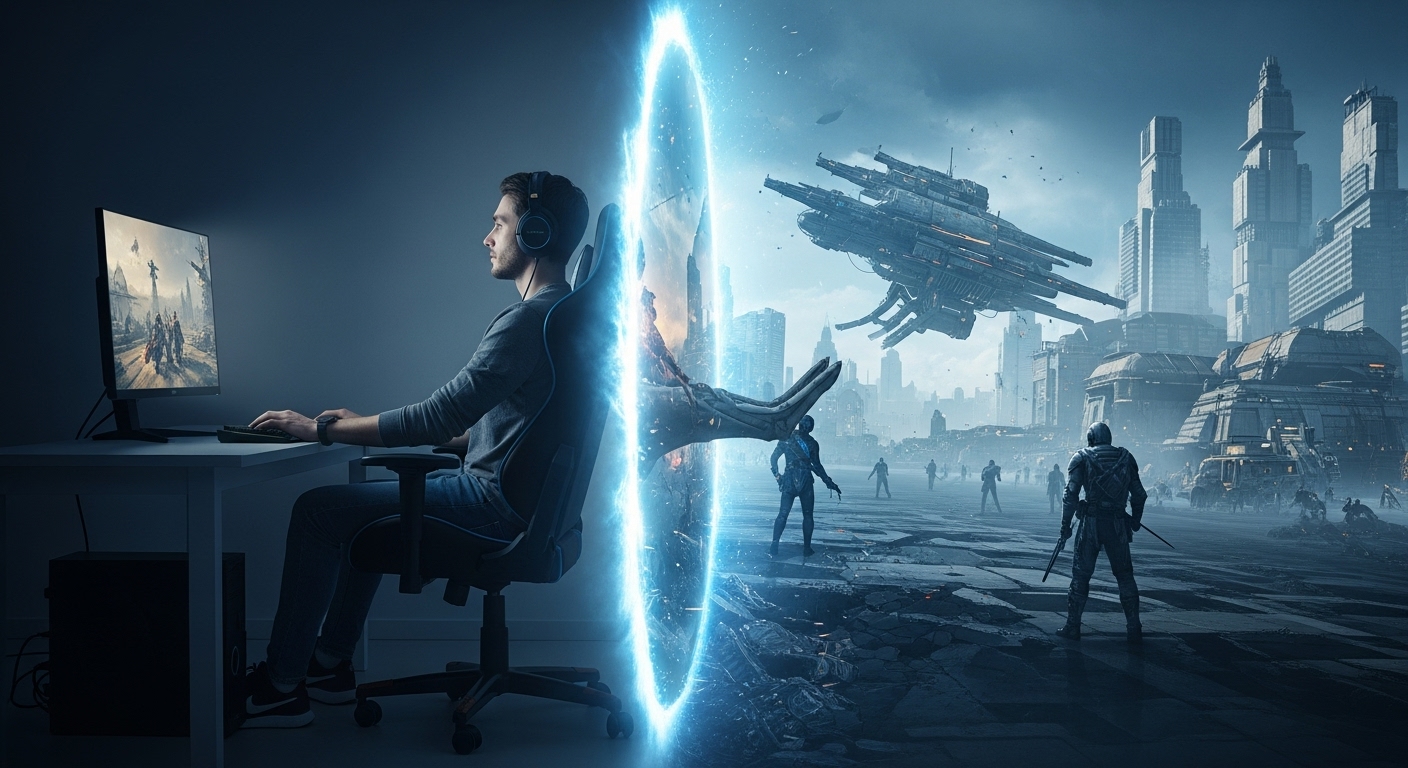
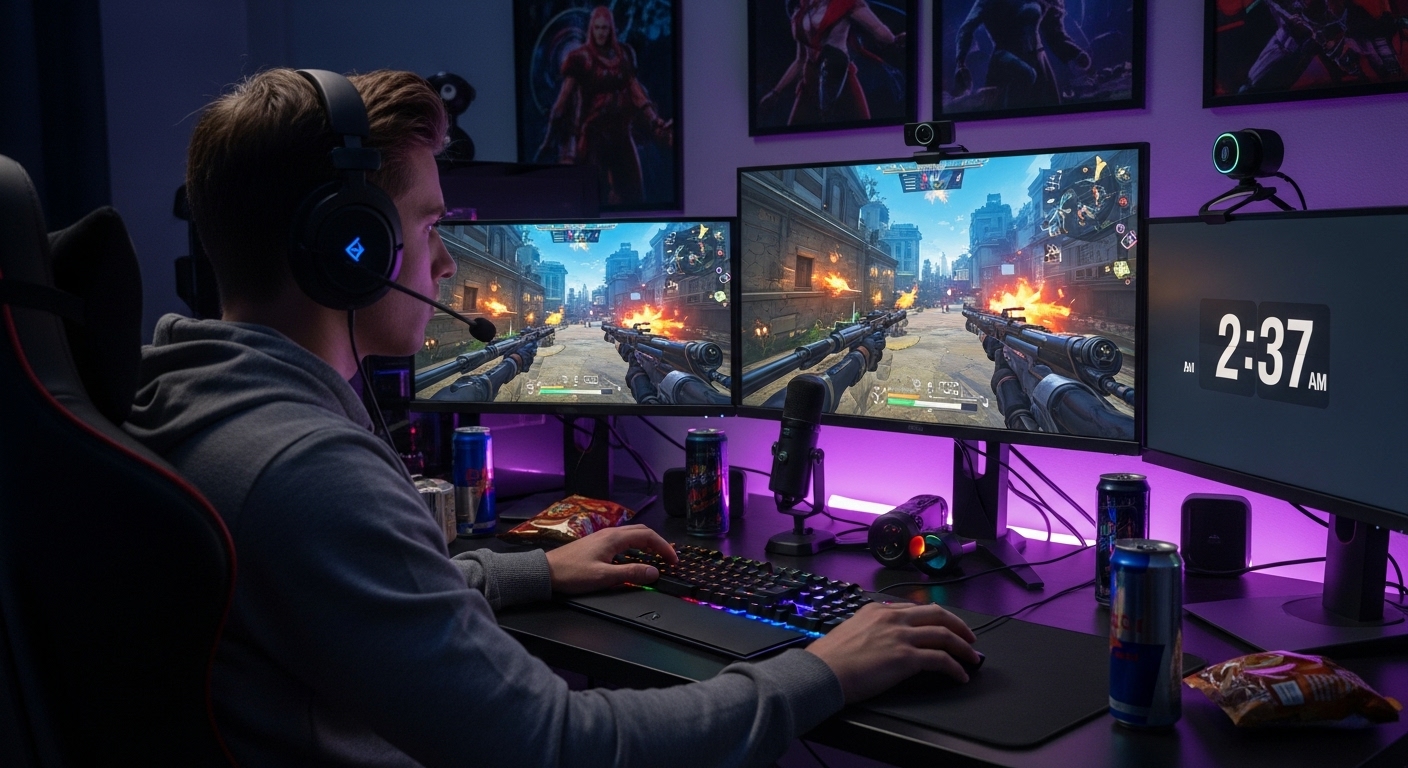
Gaming has evolved into much more than a simple pastime. What was once seen as a hobby for kids and teenagers has transformed into a cultural phenomenon, a booming industry, and a platform for social connection, creativity, and personal growth. Today, gaming encompasses everything from immersive storytelling and competitive eSports to educational experiences and mental challenges. In this article, we will explore the multifaceted world of gaming and its impact on modern life.
The History and Evolution of Gaming
The roots of gaming date back several decades, starting with simple arcade machines and early home consoles. Titles like Pong and Space Invaders laid the groundwork for what would become an industry defined by innovation and creativity. As technology advanced, games became more sophisticated, offering richer graphics, intricate storylines, and interactive worlds that drew players in like never before.
Over the years, the gaming industry has grown exponentially. From pixelated 8-bit adventures to fully immersive virtual reality experiences, gaming has continually pushed the boundaries of what is possible. Today, the industry is a global powerhouse, generating billions in revenue and employing millions of people worldwide. The evolution of gaming reflects not only technological progress but also society’s increasing appreciation for interactive entertainment as a legitimate form of art and culture.
Gaming as a Social Platform
Contrary to the stereotype of the solitary gamer, modern gaming is highly social. Multiplayer online games, virtual communities, and competitive tournaments provide platforms for people to connect, collaborate, and compete across the globe. Games such as Fortnite, League of Legends, and Minecraft foster communities where friendships are formed, teamwork is essential, and social skills are developed.
Gaming can also provide emotional support and a sense of belonging. Players often find themselves in communities where they share interests, strategize together, and celebrate achievements. In a world where social interaction is increasingly digital, gaming offers meaningful connections that are both fun and emotionally rewarding.
Cognitive and Mental Benefits of Gaming
Gaming is not only entertaining but also intellectually stimulating. Many types of games require critical thinking, problem-solving, and strategic planning. Strategy games like StarCraft or Civilization demand careful analysis and long-term thinking, while puzzle games sharpen memory and logical reasoning skills. Action games improve hand-eye coordination, reflexes, and multitasking abilities, making gamers more adaptable to dynamic situations.
Beyond cognitive benefits, gaming can positively influence mental health. Engaging in gameplay provides a controlled environment to manage stress, experience challenges, and achieve goals. Role-playing games, in particular, encourage empathy by placing players in the perspectives of different characters, promoting emotional intelligence and moral reasoning.
The Emergence of Competitive Gaming
The rise of eSports has transformed gaming from a hobby into a competitive career path. Professional players compete in international tournaments with significant prize pools, sponsorship deals, and global recognition. Popular titles like Dota 2, Counter-Strike, and Call of Duty have cultivated a massive professional scene, demonstrating that gaming is more than entertainment—it is a legitimate competitive field.
Competitive gaming has also created opportunities beyond playing. Roles in coaching, broadcasting, content creation, and game development allow people to build careers in areas they are passionate about. Universities now even offer scholarships for eSports athletes, reflecting the growing acceptance of gaming as a serious pursuit. This professionalization of gaming highlights its cultural significance and economic impact.
Creativity and Innovation Through Gaming
Many games serve as platforms for creativity. Sandbox games like Minecraft or The Sims enable players to design entire worlds, create narratives, and experiment with artistic expression. Game modding communities allow enthusiasts to customize game content, develop new levels, or even create entirely new gameplay experiences, further fueling creativity and technical skills.
Creativity developed through gaming often translates into real-world abilities. Skills in coding, digital design, storytelling, and problem-solving are cultivated within gaming environments, preparing players for careers in technology, entertainment, and creative industries. Gaming, in this sense, becomes both a source of entertainment and a training ground for innovation.
Technological Advancements Driven by Gaming
Gaming often sits at the forefront of technological progress. Virtual reality, augmented reality, cloud gaming, and artificial intelligence are transforming how players interact with digital worlds. VR games provide fully immersive experiences, allowing players to feel present within their gaming environment, while AR games blend real-world elements with interactive virtual components.
The technological demands of gaming also drive advancements in hardware and software, with innovations often spilling over into other industries. Motion sensors, haptic feedback, and AI-driven simulations developed for gaming now find applications in education, healthcare, and scientific research, showing how gaming contributes to broader technological progress.
Gaming as a Tool for Education
Educational games are gaining recognition for their ability to make learning interactive and engaging. By incorporating problem-solving challenges, simulations, and gamified elements, educational games can teach complex subjects such as mathematics, science, and history in a more approachable way. Game-based learning fosters critical thinking, collaboration, and creativity in students, creating a learning environment that is both fun and effective.
Gamification techniques, such as rewarding progress, providing levels to achieve, or encouraging exploration, help maintain motivation and active participation. By integrating gaming into education, teachers can enhance engagement and learning outcomes, demonstrating that gaming is not just leisure but a powerful educational tool.
The Emotional Impact of Gaming
Gaming can evoke a wide spectrum of emotions. Immersive story-driven games allow players to experience joy, excitement, fear, or sadness in ways that mirror real life. Role-playing games, for example, offer opportunities to explore moral dilemmas and make decisions that affect outcomes, promoting empathy and self-reflection.
Gaming also serves as an outlet for stress relief and relaxation. Engaging in immersive experiences allows players to escape daily pressures and recharge emotionally. This emotional dimension of gaming highlights its potential as a tool for mental wellness, offering both entertainment and personal growth opportunities.
Future Trends in Gaming
The future of gaming promises even greater innovation and inclusivity. AI-driven game design will allow for personalized experiences that adapt to players’ preferences and skills. Cloud gaming will make high-quality games accessible on a wide range of devices without the need for expensive hardware. Social virtual reality platforms will blur the lines between physical and digital interaction, creating immersive worlds where collaboration and socialization coexist seamlessly.
Gaming is also expected to become more inclusive, with developers focusing on accessibility and diversity. Efforts to ensure that games are playable for individuals with different abilities and reflective of varied cultural backgrounds are gaining momentum, creating a gaming landscape that is welcoming and representative of the global audience.
Conclusion: Beyond Entertainment
Gaming has grown into a multifaceted medium that encompasses entertainment, education, social connection, and personal development. It challenges the mind, nurtures creativity, strengthens social bonds, and drives technological innovation. The rise of competitive gaming, educational applications, and immersive technologies demonstrates that gaming is far more than a hobby—it is a transformative force in modern society.
For anyone engaging in gaming, whether casually or professionally, the experience is about more than winning or scoring points. It is about exploration, learning, creativity, and connection. Gaming allows individuals to develop skills, experience emotions, and participate in communities that enrich their lives. In the digital odyssey of gaming, players are not simply spectators—they are explorers, creators, and pioneers, leveling up not only in the game but in life itself.