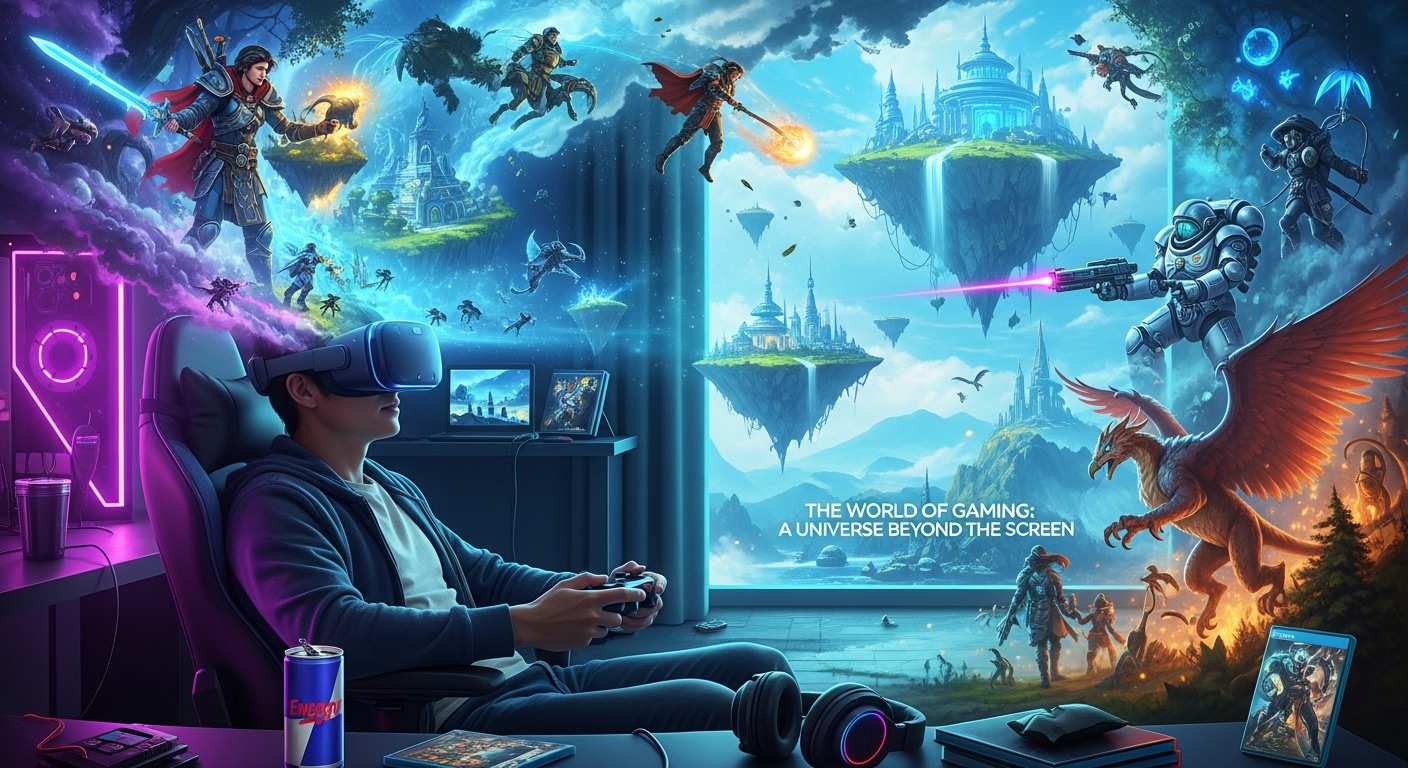
Non-Player Characters (NPCs) have been a fundamental part of video games since their inception. Initially, NPCs were simple entities that served basic functions—offering quests, providing background information, or simply filling the world to make it feel alive. However, as technology has advanced, so too have NPCs, particularly with the advent of Artificial Intelligence (AI) integration. AI NPCs have transformed how players experience video games, adding depth, complexity, and a sense of realism that makes the gameplay more immersive.
This article explores how AI NPCs are enhancing gameplay experiences, providing a look at their roles, technological advancements, and the impact they have on game design and player engagement.
The Evolution of NPCs: From Static to Dynamic
In the early days of video games, NPCs were relatively simple. In 8-bit and 16-bit games, NPCs often had a single purpose or limited dialogue options. They might tell you where to go or hand out quests, but they were little more than static pieces in a game world. As game developers began to realize the potential of creating more immersive worlds, NPCs evolved.
The 3D gaming era introduced more complex interactions. NPCs started having multiple dialogues, and some would even follow specific routines throughout the day. But even then, they were often predictable, responding in the same way each time a player interacted with them. This consistency, while an improvement, still lacked the depth and realism seen in real-life interactions.
Fast forward to the present, and AI-powered NPCs are more dynamic than ever. With AI, NPCs can react to player behavior in real-time, adapt to different situations, and even learn from past interactions. This makes the gaming experience feel less scripted and more organic, allowing players to engage with the world in an unprecedented way.
AI NPCs: What Makes Them Different?
At the core of AI NPCs is their ability to mimic human behavior. Traditional NPCs, while offering a form of interaction, often followed predetermined paths and dialogue trees. If you asked the same question twice, you’d get the same response. However, AI NPCs are powered by sophisticated algorithms and machine learning techniques that allow them to act more like real people, adapting to player actions, decisions, and the overall progression of the game.
One of the key aspects of AI NPCs is their ability to understand and react to player input. They can “read” the environment around them, evaluate the player’s behavior, and alter their own behavior in response. For example, if a player repeatedly behaves aggressively in an open-world game, the NPCs may become more hostile, fearful, or even seek to avoid the player. Conversely, if the player is helpful or kind, NPCs might trust them more and offer valuable rewards or assistance.
The most advanced AI NPCs are even capable of learning over time. This can happen through techniques such as reinforcement learning, where NPCs adjust their strategies based on player actions. If an NPC constantly fails at a task, it can “learn” from its mistakes and adjust its approach in future encounters. This makes AI NPCs appear more intelligent and responsive, enriching the player’s experience.
How AI NPCs Improve Game Immersion
Immersion is one of the primary goals of modern game design, and AI NPCs are a major factor in creating a more immersive experience. The more lifelike and reactive the NPCs are, the more players feel like they are part of a living, breathing world. Below are a few ways AI NPCs contribute to immersion:
1. Believable Interactions
AI NPCs enable more natural and believable interactions. Instead of scripted dialogues that repeat endlessly, these characters can recognize player behavior and adjust their responses. For example, in an RPG, if a player has a reputation for saving villages and helping others, NPCs might treat them with respect, offering discounts on goods or even personal quests. On the flip side, if a player is known for causing trouble, NPCs might be more cautious, close off certain areas, or even become hostile.
These dynamic interactions make the world feel more authentic. Players are no longer simply going through the motions but are actively shaping the world around them based on their actions.
2. Reactive Environments
AI NPCs can also impact the game world in more subtle ways. If an NPC plays a crucial role in the game’s storyline, they can affect how events unfold based on their responses to the player’s choices. This means that the game’s environment and the story itself can evolve dynamically based on the player’s interactions with NPCs.
For instance, an NPC who acts as a mentor could offer critical advice during a challenging mission, or they might be taken out of the picture if the player fails a specific quest. Their presence—or absence—can significantly change the game’s atmosphere and progression.
3. World Building and Depth
AI NPCs add a sense of history and depth to a game world. In open-world games like The Elder Scrolls V: Skyrim or Red Dead Redemption 2, NPCs are often seen following routines or interacting with one another, creating the illusion that the world exists independently of the player’s actions. These NPCs might have their own daily schedules, go to work, shop for groceries, or engage in casual conversations with other characters.
This level of complexity makes the world feel “alive” and lived-in, drawing players further into the experience. These NPCs may not have direct interactions with the player, but their presence helps to establish a realistic, consistent world.
AI NPCs and Gameplay Mechanics
AI NPCs do more than just react to players; they also contribute significantly to gameplay mechanics. Whether it’s providing essential information, creating challenging adversaries, or shaping the progression of the story, AI NPCs influence gameplay in profound ways.
1. Quest Givers and Story Progression
In many role-playing games (RPGs), NPCs are the primary way players interact with the game’s story. AI NPCs make this process much more engaging by personalizing quests and storylines. Rather than receiving a generic quest that can be done in any order, AI NPCs can create situations that feel more tailored to the player’s choices.
An AI NPC might offer a quest in response to how the player has interacted with the world up to that point. If the player has been particularly helpful to the NPC’s faction, they may be rewarded with a special mission that is only available under those circumstances. This level of personalization can make quests feel more significant and connected to the player’s decisions, heightening the sense of impact.
2. Companions and Allies
In many games, players are accompanied by AI-controlled companions or allies. These NPCs offer support in battle, provide commentary during exploration, and even engage in character-driven storylines. The use of AI in companions enhances this experience by allowing these characters to grow and evolve alongside the player.
AI companions can also offer more nuanced behavior. For example, they might react differently to the player’s actions, grow closer to the player as they complete tasks together, or even develop unique relationships with other NPCs. This makes companions feel more like real, living characters, with their own personalities and motivations.
3. Enemy AI: Challenging the Player
While friendly NPCs enhance the narrative and gameplay, enemy NPCs are often where AI shines in terms of challenge. In modern games, AI-driven enemies are designed to be more unpredictable and intelligent, making them far more difficult to defeat.
Advanced AI can allow enemies to analyze the player’s tactics and adapt to their strategies. For example, if a player relies on a specific attack or tactic, enemy AI can learn to counter it. This creates a dynamic challenge that keeps the gameplay fresh and engaging. Whether it’s a tactical shooter or a fantasy RPG, AI-driven enemies make battles feel more intense and rewarding.
The Future of AI NPCs: What’s Next?
As technology continues to evolve, so too will the role of AI NPCs in games. Currently, AI NPCs are still relatively constrained by the limits of current hardware and software. However, we’re already starting to see exciting developments that hint at the future of NPCs in gaming.
1. Deep Learning and Emotional Intelligence
One of the most promising advancements for AI NPCs is the integration of deep learning and emotional intelligence. In the future, NPCs could have more complex emotional states, allowing them to respond to players not only based on their actions but also on their emotional tone. For example, if a player expresses frustration or sadness through their choices, NPCs could pick up on these cues and react with empathy or concern.
2. Procedural Storytelling
Procedural generation is already used in games like Minecraft and No Man’s Sky to create expansive, randomly generated worlds. In the future, AI NPCs might be able to participate in procedural storytelling, generating unique dialogues and quests based on the player’s actions and the world around them. This could create an endless variety of gameplay experiences, as each player’s journey would be shaped by the AI NPCs and their interactions with them.
3. AI NPCs in Virtual Reality (VR)
With the rise of virtual reality gaming, AI NPCs will play an even more integral role in making these virtual worlds feel alive. In VR, players are physically immersed in the game environment, and the interactions with AI NPCs will need to feel even more lifelike and reactive. NPCs could interact with players in real-time, adapting to their gestures, voice, and body language. This could create a truly unique and personalized experience for each player.
Conclusion: The Impact of AI NPCs on Gaming
AI NPCs have come a long way from their humble beginnings. Today, they are an essential part of what makes modern video games so immersive and engaging. From dynamic, believable interactions to adaptive gameplay mechanics, AI NPCs enrich the player’s experience, making the virtual world feel more connected