Introduction: The Evolving Identity of Gaming
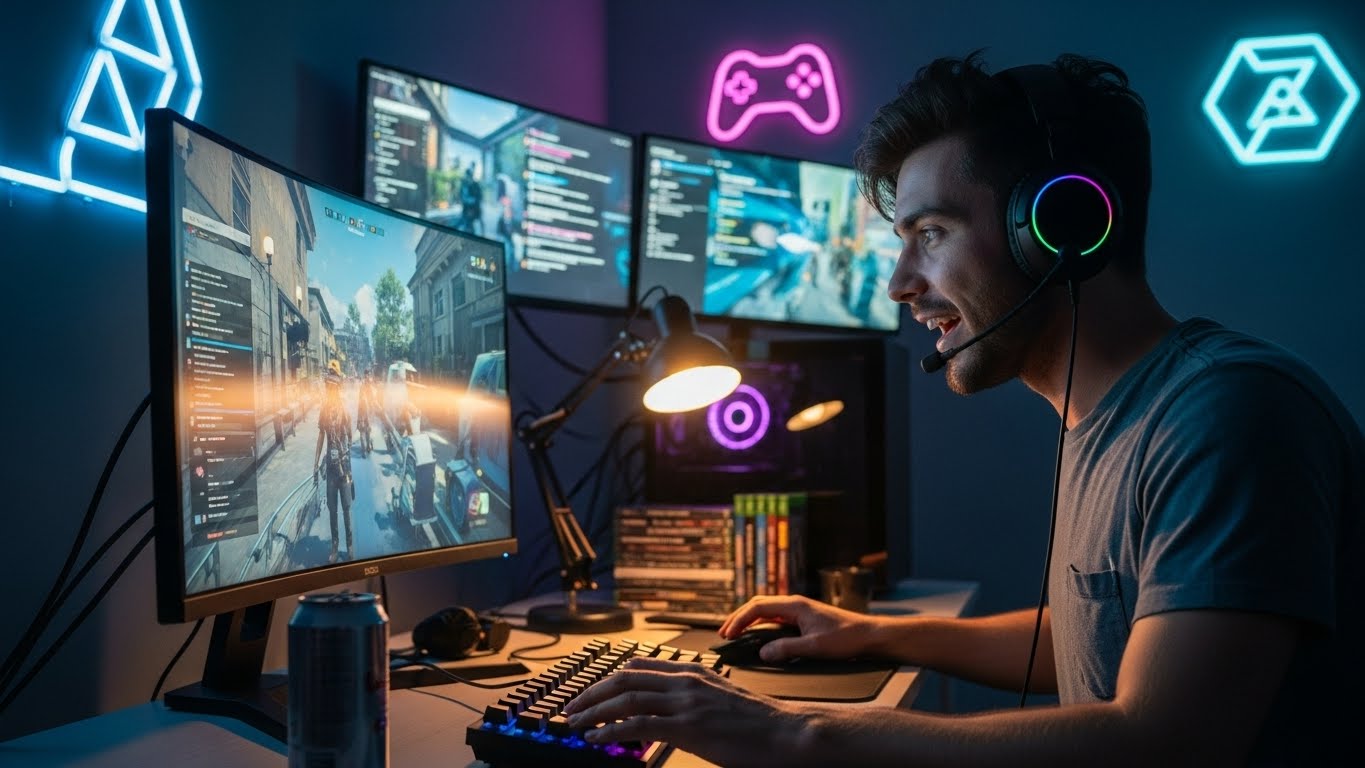
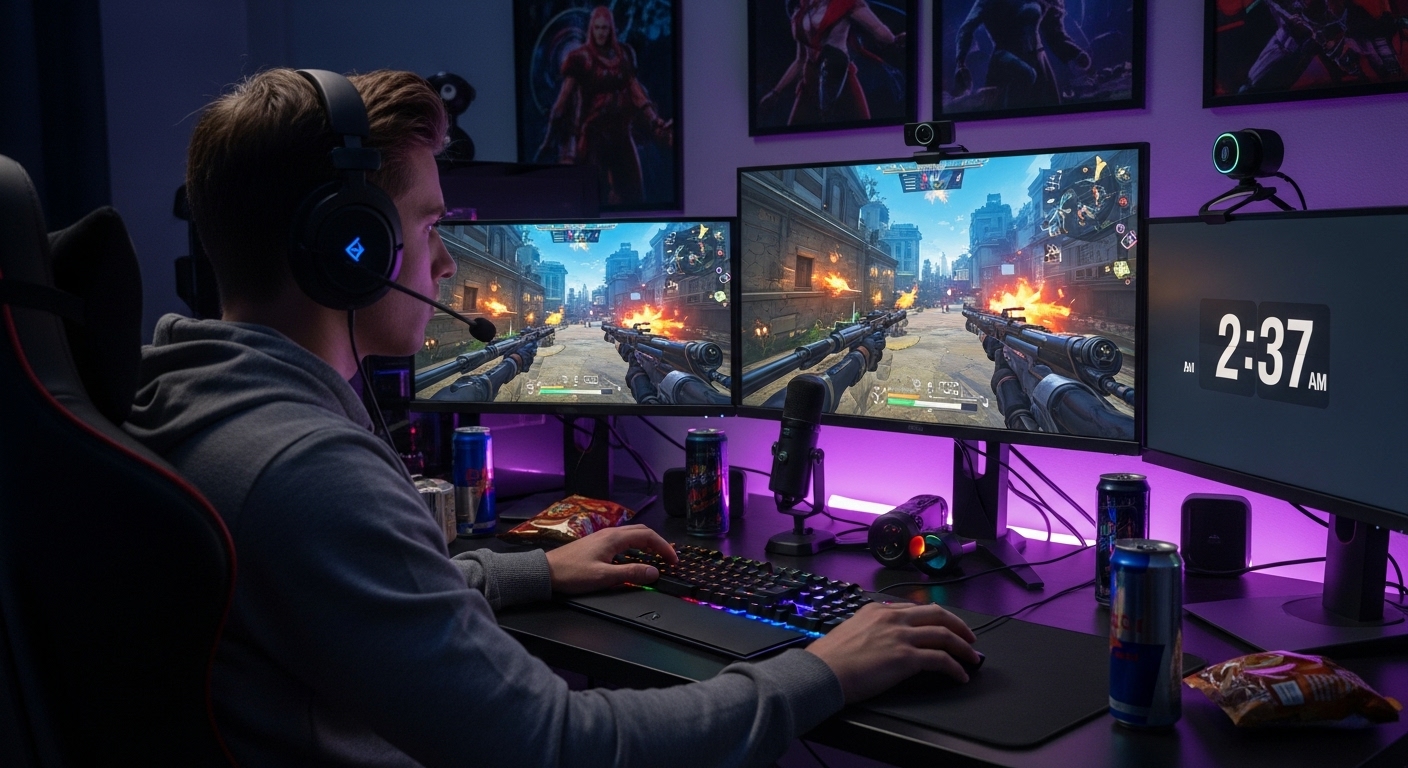
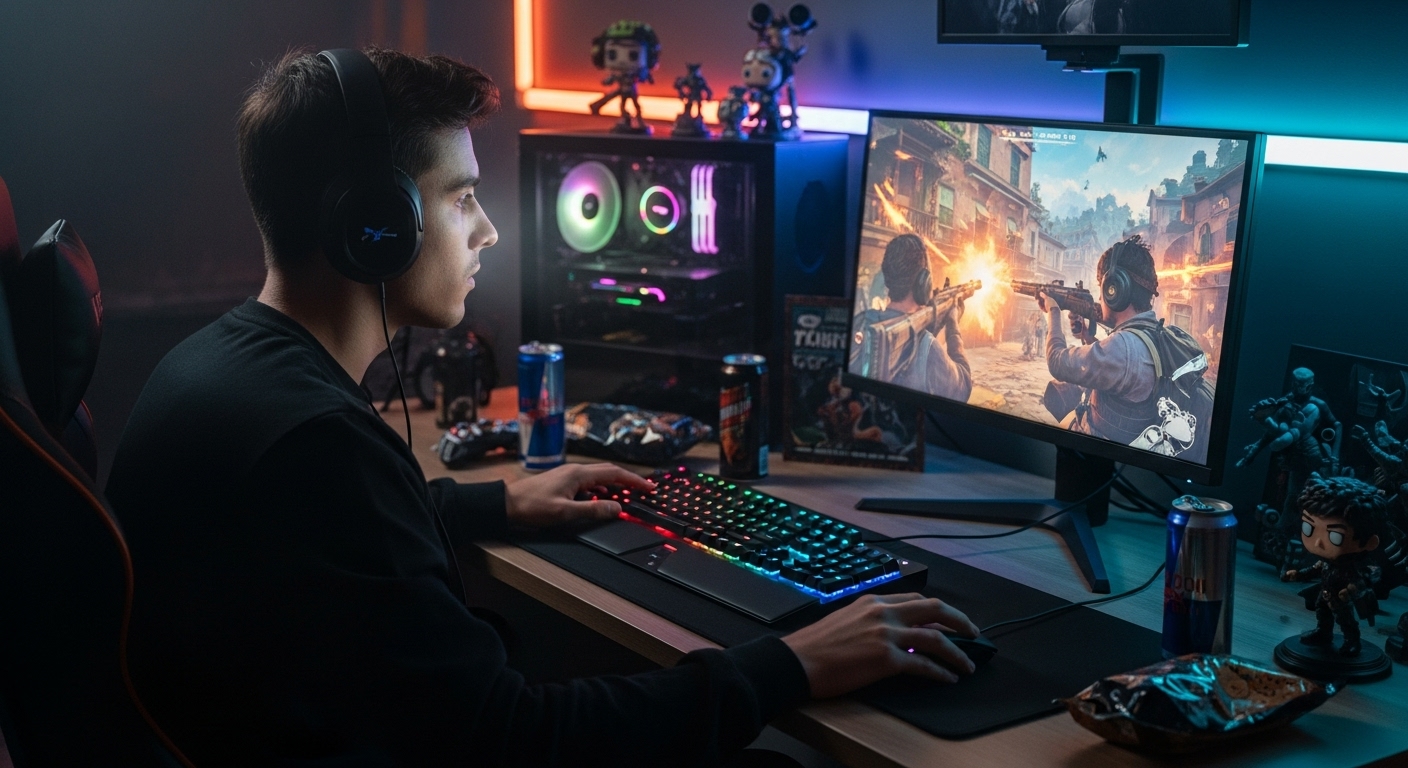
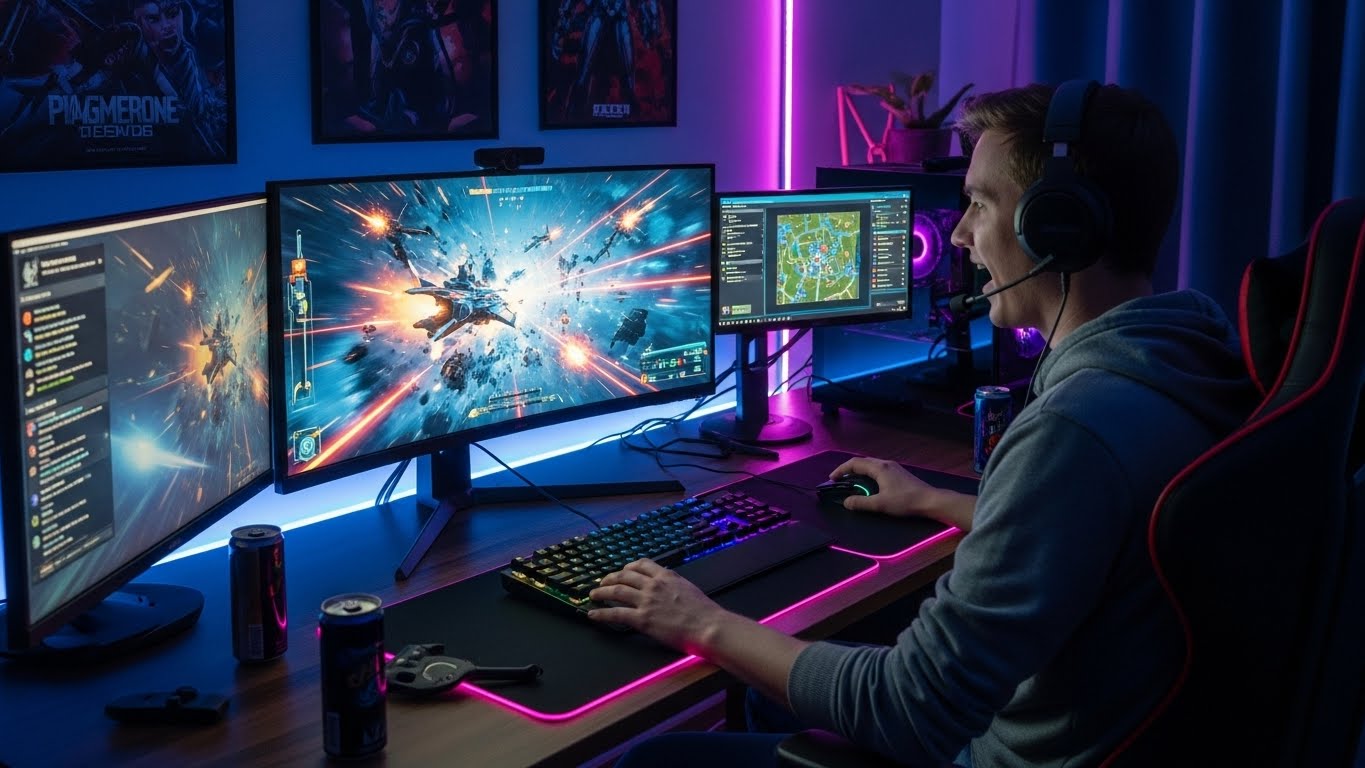
Gaming is no longer just a pastime for kids huddled around bulky consoles or teenagers mashing buttons late at night. It has evolved into a global phenomenon that influences culture, technology, education, social interaction, and even mental well-being. What once lived in arcade halls and living rooms now thrives on smartphones, esports arenas, and virtual universes where millions unite. This blog explores how gaming has matured, why it continues to captivate diverse audiences, and how it is quietly shaping the world we live in today.
The Transformation of Gaming Through the Years
The journey of gaming from pixelated screens to cinematic experiences is nothing short of remarkable. Early titles offered straightforward mechanics and simplistic graphics, yet they ignited the imagination of an entire generation. As technology advanced, so did the complexity of game worlds, storytelling, and player interaction. Today’s games rival blockbuster films in their visual polish and narrative depth, with developers blending art, artificial intelligence, and interactive design to craft immersive universes.
This transformation did not happen overnight. It is the result of decades of innovation, experimentation, and the relentless desire of creators to push boundaries. As processing power increased and online connectivity expanded, gaming naturally transitioned from a solitary activity to a global network of communities.
The New Face of the Gaming Community
The stereotype of gamers as isolated individuals glued to screens has been replaced by a more accurate image: diverse, connected, and collaborative communities. Modern gaming thrives on interaction. Whether it’s coordinating strategies with teammates, sharing fan art, or discussing lore theories, players today are more involved and engaged than ever.
Gamers come from all backgrounds and age groups. Adults unwind after work with narrative-heavy adventures, seniors train their cognitive skills with puzzle games, and young players build creativity in sandbox environments. The gaming world celebrates individuality while offering shared experiences that transcend geography. This sense of belonging is one of the reasons gaming continues to grow.
Storytelling in Games: A Powerful New Medium
One of the most significant shifts in the gaming industry is its ability to tell stories in ways other media cannot. Unlike movies or books, games put players at the center of the narrative. Choices matter, consequences unfold dynamically, and emotional moments hit harder because the player participates actively.
Modern games explore themes such as identity, morality, grief, survival, and hope. They invite players to question their decisions, empathize with characters, and reflect on the world around them. Story-driven titles have proven that gaming is not just entertainment; it is a legitimate form of storytelling with emotional depth and artistic value.
The Rise of Competitive Gaming and Esports
Competitive gaming has become one of the most exciting developments in modern entertainment. Esports tournaments draw millions of viewers and fill arenas with cheering fans. Professional players train like athletes, study team strategies, and compete for significant prize pools.
The appeal of esports lies in its accessibility and global nature. Anyone with dedication and skill can rise through the ranks, and players from different countries collide in dramatic showdowns. Esports has also created new career opportunities—coaches, analysts, casters, and content creators all contribute to a rapidly expanding industry.
For spectators, esports offers the rush of competition mixed with the creativity of gaming worlds. It is both familiar and innovative, making it a compelling addition to the sports ecosystem.
Gaming as a Tool for Learning and Skill Development
Contrary to the outdated belief that gaming is a distraction, research and real-world examples continue to show its positive impact on learning. Games encourage problem-solving, critical thinking, quick decision-making, creativity, and collaboration. Educational institutions now integrate game-based learning into classrooms to make lessons more interactive and effective.
Simulation games teach management skills and resource allocation. Strategy games enhance planning and foresight. Puzzle games improve memory and logic. Cooperative games strengthen communication and teamwork. Even action games can sharpen reflexes and spatial awareness.
The ability of games to engage players for long periods makes them ideal educational tools. They transform learning into an enjoyable experience rather than a chore.
The Mental and Emotional Benefits of Gaming
While moderation is always essential, gaming can offer meaningful emotional and psychological benefits. For many, games act as stress relief, providing a way to unwind after a long day. Others find comfort in the predictability and structure of game worlds.
Multiplayer games support social connections, offering spaces where friendships flourish regardless of physical distance. Cooperative experiences foster empathy and trust. Online communities help individuals find understanding and support, especially when they feel isolated in offline life.
Narrative–driven games, in particular, can be therapeutic. They allow players to face emotional challenges through characters, helping them process feelings and gain perspective. Gaming can be a safe escape, a creative outlet, and a bridge to meaningful interactions.
How Technology Continues to Redefine Gaming
The future of gaming is deeply intertwined with technological innovation. Virtual reality transports players into immersive worlds where they can interact physically. Augmented reality overlays digital elements onto the real world, blending imagination with everyday surroundings. Cloud gaming promises to remove hardware limitations, enabling high-quality gameplay on any device.
Artificial intelligence enhances non-player characters, making them more realistic and responsive. Advanced graphics engines create breathtaking environments with lifelike detail. Haptic feedback and adaptive controllers open doors for accessible gaming, ensuring more people can enjoy interactive experiences regardless of physical abilities.
Each innovation takes gaming a step closer to blurring the line between digital and physical reality.
The Creative Freedom That Gaming Offers
Gaming is not only about playing—it is also about creating. Many titles empower players to design characters, construct worlds, build stories, and invent their own rules. This creative freedom fuels imagination and allows individuals to express themselves.
User-generated content, modding communities, and creative sandbox games demonstrate how players become co-creators. The tools offered within games enable budding designers, storytellers, and artists to experiment with ideas. This participatory nature sets gaming apart from passive forms of entertainment.
The Social Future of Gaming
The social landscape of gaming continues to evolve. As more people play, share, and build communities, gaming becomes an integral part of social culture. Virtual spaces host concerts, festivals, and gatherings. Players meet, celebrate, and collaborate in digital worlds. The blending of social life and gaming creates a new frontier that connects people in unprecedented ways.
Games are becoming platforms where creativity, communication, and culture converge. They are digital meeting grounds that reflect modern forms of connection, friendship, and identity.
Conclusion: Why Gaming Matters More Than Ever
Gaming has grown far beyond the boundaries of entertainment. It is a cultural force, a technological innovator, a creative outlet, and a medium that brings people together. It shapes how we learn, how we connect, and how we escape into imaginative realms. As technology advances and communities expand, gaming will continue to influence our world in profound ways.
Whether you’re a casual player enjoying a quiet moment, a competitive enthusiast striving for victory, or a storyteller seeking immersive adventures, gaming offers something unique and powerful. It is a celebration of imagination, skill, and shared experiences. And in a world that is constantly changing, gaming remains a vibrant space where anyone can explore, create, and belong.