Introduction: Gaming as a Cultural Phenomenon
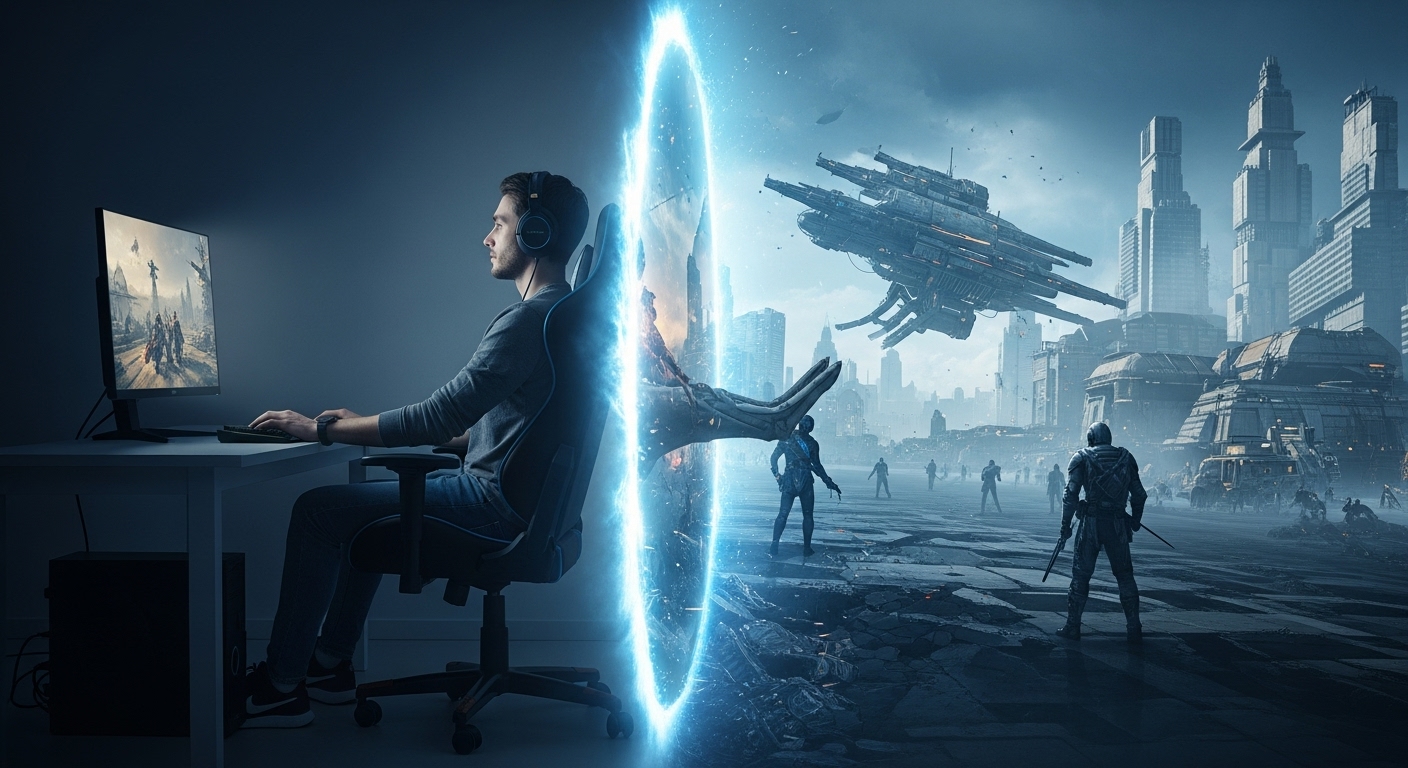
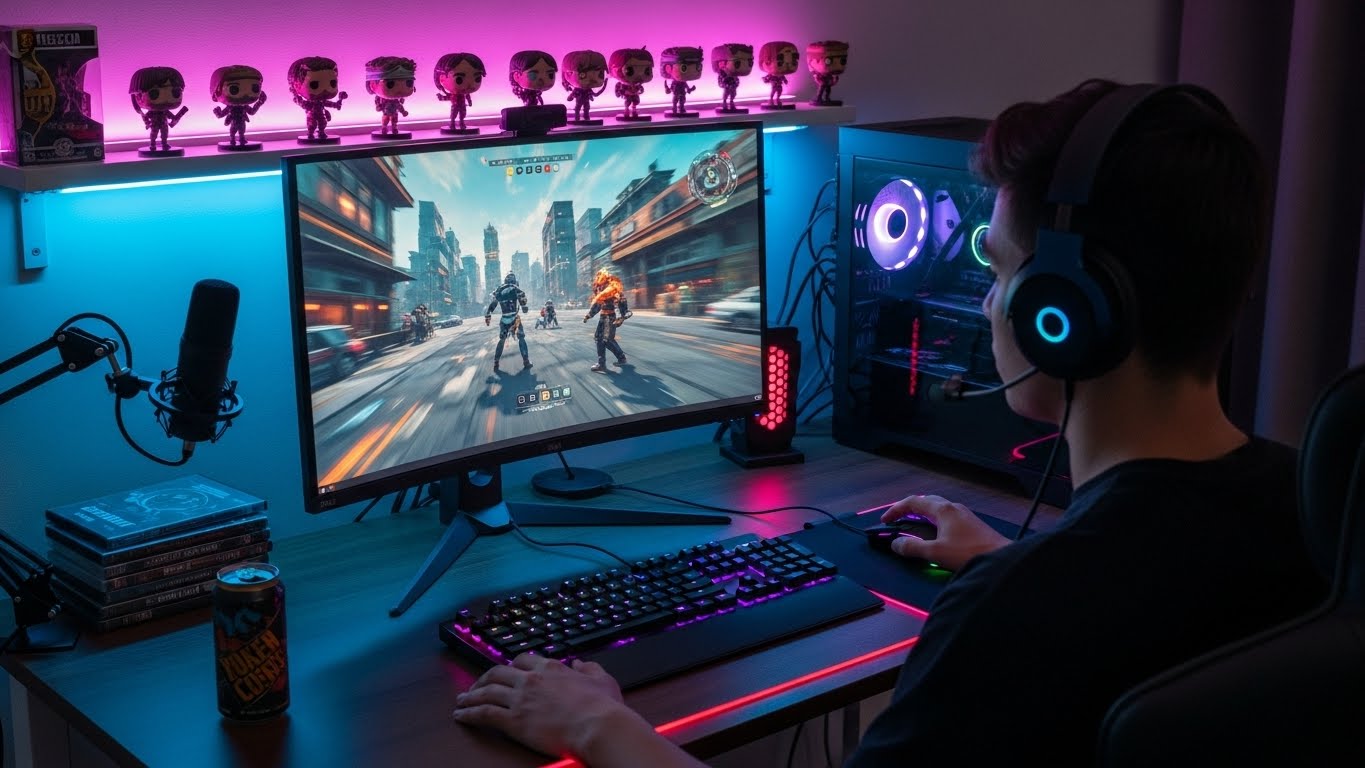
Gaming is no longer just a pastime or hobby—it has evolved into a global cultural phenomenon. From the first arcade machines to the latest high-end consoles and virtual reality headsets, video games have transformed the way people play, socialize, and experience stories. Today, gaming is a multi-billion-dollar industry that connects millions of people across the world, offering immersive entertainment, creativity, and opportunities for personal growth. In this blog, we will explore how gaming has grown, why it captivates so many, and what its future holds.
The Evolution of Gaming
The history of gaming is a story of rapid innovation. In the 1970s and 1980s, simple arcade games like Pong, Space Invaders, and Pac-Man laid the groundwork for interactive entertainment. These early games were limited in graphics and mechanics but offered engaging challenges that captured the imagination of players.
The arrival of home consoles in the late 1980s and 1990s, such as the Nintendo Entertainment System and Sega Genesis, brought gaming into living rooms around the world. Players could now enjoy longer, more complex games without leaving home. The personal computer also became a major platform, enabling intricate strategy games, role-playing adventures, and simulations that pushed creative boundaries.
In recent years, gaming has transformed further. Online multiplayer games allow players to connect and compete globally. Mobile gaming has made interactive experiences accessible to millions in the palm of their hands. Technologies like virtual reality, augmented reality, and cloud gaming continue to expand what games can offer, creating entirely new ways to engage and interact with digital worlds.
Immersive Storytelling in Modern Games
One of the most revolutionary aspects of contemporary gaming is storytelling. Unlike traditional media, video games allow players to shape the narrative through their choices and actions. Decision-making has real consequences in the game world, creating a sense of agency and investment that movies or books cannot replicate.
Games like role-playing adventures and interactive narratives provide rich characters, moral dilemmas, and branching storylines that adapt to player choices. The ability to explore different outcomes and make meaningful decisions immerses players in ways that traditional storytelling cannot. This interactive form of narrative enhances emotional engagement and creates memorable experiences that stay with players long after the game is over.
The Rise of Multiplayer Communities
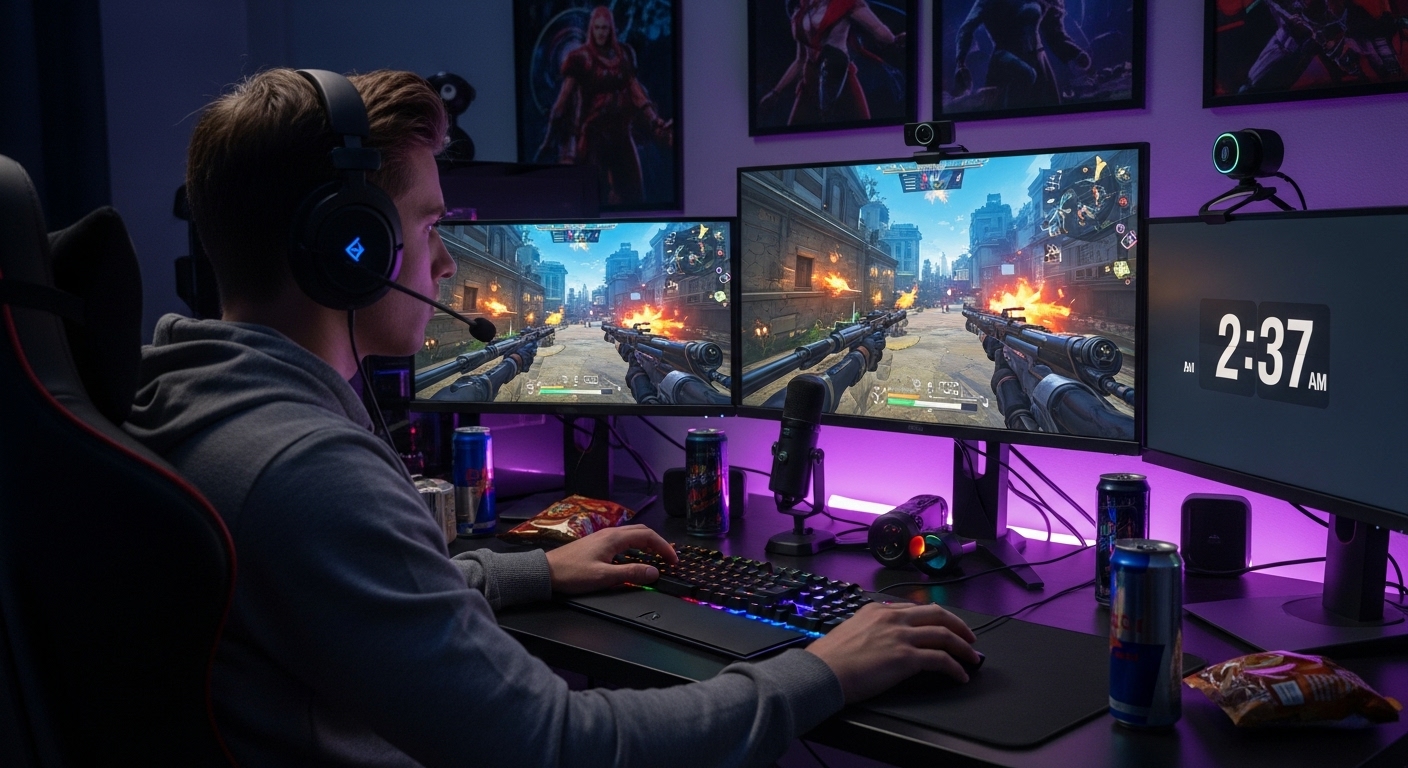
Social interaction is at the heart of modern gaming. Online multiplayer games have created thriving communities where players collaborate, compete, and form lasting friendships. Gamers join clans, guilds, or teams to tackle challenges together, and social features like voice chat, forums, and in-game messaging keep players connected.
These communities often extend beyond the game itself. Players share strategies, create fan art, and participate in discussions that build a sense of belonging. Multiplayer gaming fosters teamwork, communication, and leadership skills while connecting people from diverse backgrounds. For many, these digital friendships are as meaningful as those formed in real life, showing how gaming can bridge cultural and geographical gaps.
Esports: Gaming as a Competitive Career
Esports has turned gaming into a professional arena, attracting millions of viewers worldwide. Competitive gaming tournaments feature players who dedicate significant time and effort to mastering their craft. These athletes train rigorously, often with the same discipline seen in traditional sports, and compete for substantial prize money, sponsorships, and fame.
Esports has also created new opportunities for content creators, commentators, coaches, and analysts. Professional gaming has become a legitimate career path, proving that gaming is not only entertainment but also a serious pursuit that requires skill, strategy, and dedication. The rise of esports has helped reshape public perception of gaming, showing it as a competitive, respected, and highly rewarding field.
Technology Driving Innovation in Gaming
Gaming is deeply intertwined with technological advancements. Modern games utilize powerful graphics engines, realistic physics simulations, artificial intelligence, and motion capture to create lifelike experiences. AI enhances gameplay by making opponents smarter, creating dynamic worlds, and adapting challenges to individual players.
Virtual reality and augmented reality take immersion even further, allowing players to step directly into the game environment. Cloud gaming removes hardware barriers, making high-quality experiences accessible to a wider audience. These innovations not only enhance entertainment but also push developers to explore new creative possibilities, ensuring that gaming remains a constantly evolving medium.
Gaming as a Medium of Creativity
Beyond playing, gaming encourages creativity and self-expression. Sandbox and simulation games allow players to build entire worlds, design characters, and craft intricate stories. User-generated content and modding communities expand the possibilities even further, enabling players to shape the game experience according to their imagination.
Gaming also provides a platform for identity exploration. Customizable avatars and diverse character options allow players to express themselves in ways they might not in real life. Through gaming, individuals can experiment with different roles, styles, and strategies, fostering creativity, individuality, and innovation.
Mental and Cognitive Benefits of Gaming
Gaming offers numerous mental and cognitive benefits. Strategy and puzzle games enhance problem-solving, planning, and critical thinking skills. Action games improve reflexes, hand-eye coordination, and spatial awareness. Role-playing and simulation games encourage decision-making and resource management, strengthening cognitive flexibility.
Gaming also provides stress relief and emotional benefits. Immersive worlds allow players to escape the pressures of daily life, while multiplayer games offer social connection and support. When played responsibly, gaming can promote mental well-being, boost confidence, and provide a healthy outlet for creativity and engagement.
Educational and Professional Applications
The influence of gaming extends into education and professional development. Educational games make learning interactive and engaging, teaching subjects like mathematics, science, history, and language in innovative ways. Game-based learning encourages experimentation, curiosity, and problem-solving.
In professional contexts, simulation-based games are used for training in fields like healthcare, aviation, engineering, and emergency response. These environments allow individuals to practice complex scenarios safely, improving skills and decision-making without real-world risk. Gaming has thus become an important tool for learning, development, and skill acquisition.
The Future of Gaming
The future of gaming promises even greater innovation. Virtual reality and augmented reality will continue to evolve, creating experiences that blur the line between the real and digital worlds. Haptic feedback and sensory technologies may allow players to feel textures, temperature, and motion in-game.
Cloud-based and cross-platform gaming will make experiences more accessible, connecting players regardless of hardware or location. Artificial intelligence will enhance adaptive gameplay, while procedural content generation may offer limitless game worlds to explore. As technology, creativity, and community continue to intersect, gaming will remain at the forefront of digital entertainment.
Conclusion: Gaming as a Transformative Experience
Gaming has come a long way from its early days of simple arcade machines and pixelated screens. It has grown into a multifaceted cultural phenomenon that entertains, educates, connects, and inspires millions around the world. With immersive storytelling, social communities, competitive esports, and technological innovation, gaming offers experiences that go far beyond traditional entertainment.
Whether for casual fun, professional competition, creative expression, or learning, gaming has something for everyone. It continues to shape culture, push technological boundaries, and connect people in ways that were once unimaginable. As the digital frontier expands, gaming will remain an exciting, transformative, and enduring part of modern life.