Gaming has evolved from a niche hobby into a global phenomenon, influencing entertainment, culture, and technology in unprecedented ways. What began with simple pixelated screens has transformed into immersive virtual worlds, competitive esports, and interactive storytelling that captivates millions of players worldwide. Gaming is no longer just a pastime—it is a cultural force that impacts society, education, mental health, and even careers. This article explores the multifaceted world of gaming, its evolution, its impact, and the opportunities and challenges it presents.
The Evolution of Gaming
The history of gaming stretches back decades, beginning with simple arcade games in the 1970s and 1980s. Titles like “Pong,” “Pac-Man,” and “Space Invaders” captivated early audiences and laid the foundation for the gaming industry. With the rise of home consoles such as the Nintendo Entertainment System and Sega Genesis, gaming became accessible to households, shifting from public arcades to private living rooms.
The 1990s and 2000s introduced more advanced graphics, storytelling, and gameplay mechanics. Iconic franchises like “Final Fantasy,” “The Legend of Zelda,” and “Halo” brought narrative depth and innovation to the medium. The internet enabled multiplayer gaming, connecting players across the globe and paving the way for online communities, competitive play, and live streaming.
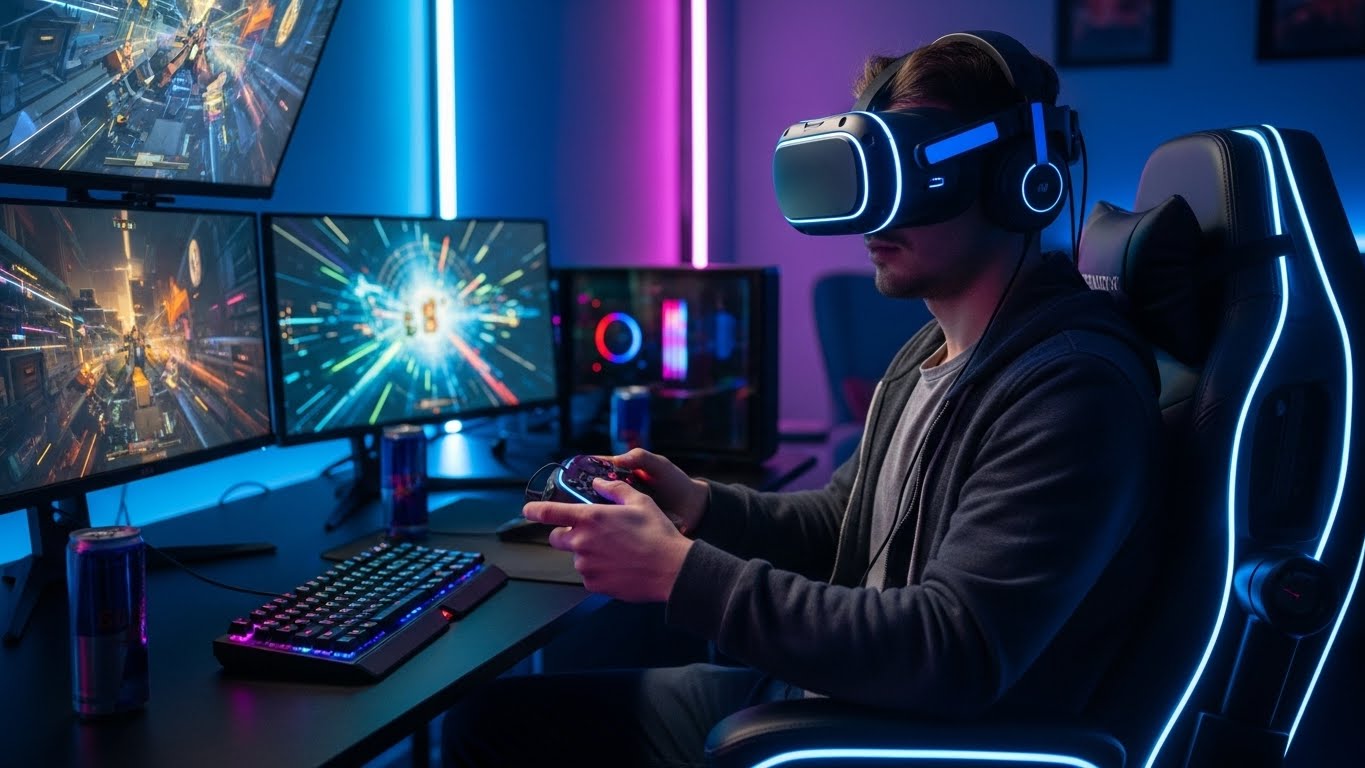
Today, gaming encompasses a wide variety of formats, including PC games, consoles, mobile platforms, and virtual reality experiences. The industry has expanded to include esports, content creation, and game development careers, making gaming an influential force in both entertainment and business.
Gaming and Cognitive Development
Gaming is often dismissed as mere entertainment, but research shows that it can have cognitive benefits. Strategy games, puzzles, and role-playing games challenge the brain, improving problem-solving skills, memory, and attention to detail. Players develop critical thinking as they plan strategies, adapt to dynamic scenarios, and make rapid decisions under pressure.
Action and shooter games enhance hand-eye coordination and reflexes. Multiplayer games teach communication and teamwork, as players must coordinate with teammates to achieve objectives. Even storytelling-driven games can improve reading comprehension, creativity, and empathy by immersing players in complex narratives and ethical decision-making.
Mental Health and Emotional Benefits
Gaming can also have positive effects on mental health when approached responsibly. Playing video games provides stress relief and an enjoyable escape from daily pressures. Engaging in immersive worlds and interactive storytelling allows players to experience accomplishment, mastery, and exploration, which can boost self-esteem.
Games with social components foster connection and camaraderie, reducing feelings of isolation. Cooperative and competitive play encourages resilience, patience, and emotional regulation. While excessive gaming can lead to negative consequences, moderation combined with balance in daily life makes gaming a healthy outlet for relaxation and personal growth.
Gaming as a Social Platform
Gaming is not just a solitary activity; it has become a major social platform. Online multiplayer games connect millions of players worldwide, creating communities built on shared interests and teamwork. Games like “Fortnite,” “Minecraft,” and “Among Us” encourage collaboration, communication, and social interaction, often forming friendships that extend beyond virtual worlds.
Streaming platforms allow players to broadcast gameplay, interact with fans, and create content that fosters community engagement. Gaming events, both online and offline, bring people together for tournaments, conventions, and competitions. This social aspect positions gaming as a cultural phenomenon and a powerful tool for community building.
The Rise of Esports
Competitive gaming, or esports, has become a multi-billion-dollar industry with professional players, teams, and international tournaments. Titles like “League of Legends,” “Dota 2,” and “Call of Duty” attract massive audiences, with millions tuning in to watch live events. Esports provides players with career opportunities and inspires young gamers to pursue professional gaming, coaching, and content creation.
Esports has also influenced traditional media and business. Sponsorships, broadcasting rights, and merchandise sales demonstrate gaming’s economic significance. Universities and schools now offer esports programs, scholarships, and training facilities, further legitimizing gaming as a career path and educational tool.
Gaming and Education
Gaming has educational potential beyond professional esports. Educational games teach problem-solving, coding, and critical thinking in an engaging format. Simulation games provide experiential learning in fields like medicine, engineering, and urban planning. Gamification techniques in classrooms motivate students, encourage participation, and enhance knowledge retention.
Virtual reality and interactive experiences offer immersive learning opportunities. Historical simulations, scientific experiments, and language-learning games allow students to explore and experiment in safe digital environments. Gaming as an educational tool demonstrates the versatility and transformative power of interactive media.
Economic Impact of Gaming
The gaming industry is a global economic powerhouse. Revenue streams include game sales, in-game purchases, subscription services, advertising, and merchandise. The rise of mobile gaming has expanded accessibility, generating billions in revenue and bringing gaming to diverse audiences worldwide.
Game development also fuels employment opportunities in design, programming, art, marketing, and event management. The industry encourages entrepreneurship and innovation, with independent developers creating unique experiences that rival major studio productions. Gaming drives technological advancement and contributes to local and global economies.
Technology Driving Gaming Innovation
Technological advancements have been pivotal to gaming’s evolution. High-performance graphics, artificial intelligence, cloud gaming, and virtual reality have transformed gameplay, making experiences more immersive and realistic. AI-powered non-player characters, dynamic environments, and procedural generation create limitless possibilities in game design.
Streaming and social technologies allow players to broadcast gameplay, interact with audiences, and build communities. Mobile and cloud platforms enable gaming on-the-go, while virtual reality and augmented reality provide entirely new dimensions of interaction. Technology continues to push the boundaries of creativity, engagement, and accessibility in gaming.
Challenges in Gaming
Despite its many benefits, gaming faces challenges. Concerns about excessive screen time, addiction, and sedentary lifestyles are significant. Game developers, parents, and educators must encourage moderation and balance. Cybersecurity and online harassment are also issues in multiplayer and online environments, requiring robust safety measures and digital literacy education.
Economic disparities and access to high-quality devices create barriers for some communities, limiting participation. Ethical considerations, including in-game monetization, loot boxes, and exposure to violent content, must be addressed responsibly. Navigating these challenges is essential to ensure gaming remains a positive and inclusive activity.
Cultural Significance of Gaming
Gaming has become a cultural force, influencing media, fashion, art, and social trends. Iconic game characters, soundtracks, and narratives have become part of popular culture. Cosplay, fan art, and online communities celebrate creativity and fandom, blurring the lines between entertainment and cultural expression.
Games reflect societal values and issues, often tackling complex narratives such as morality, identity, and social responsibility. Gaming culture encourages critical thinking, creativity, and exploration, shaping the way people engage with media and society.
The Future of Gaming
The future of gaming promises even greater innovation and immersion. Advancements in virtual reality, augmented reality, cloud computing, and artificial intelligence will create more dynamic and interactive experiences. Cross-platform play, improved accessibility, and adaptive technologies will make gaming more inclusive than ever.
Gaming will continue to influence education, entertainment, and professional industries. Esports will expand globally, offering more opportunities for players, content creators, and developers. Social and community-driven experiences will redefine interaction, connection, and creativity in digital spaces.
Conclusion: Gaming as a Transformative Medium
Gaming has evolved far beyond its origins as a simple pastime. It is a transformative medium that entertains, educates, connects, and empowers. Gaming builds cognitive skills, fosters social interaction, and opens career and economic opportunities. It reflects culture, inspires creativity, and drives technological innovation.
Whether through casual play, competitive esports, or immersive storytelling, gaming continues to shape lives and society in profound ways. It is not just a hobby—it is a platform for growth, learning, and connection. As technology advances and gaming communities expand, the impact of gaming on entertainment, culture, and human potential will only continue to grow.
Gaming is more than pixels and controllers; it is a window into new worlds, a tool for connection, and a testament to human creativity and innovation. The future of gaming is limitless, and its influence on society will be felt for generations to come.