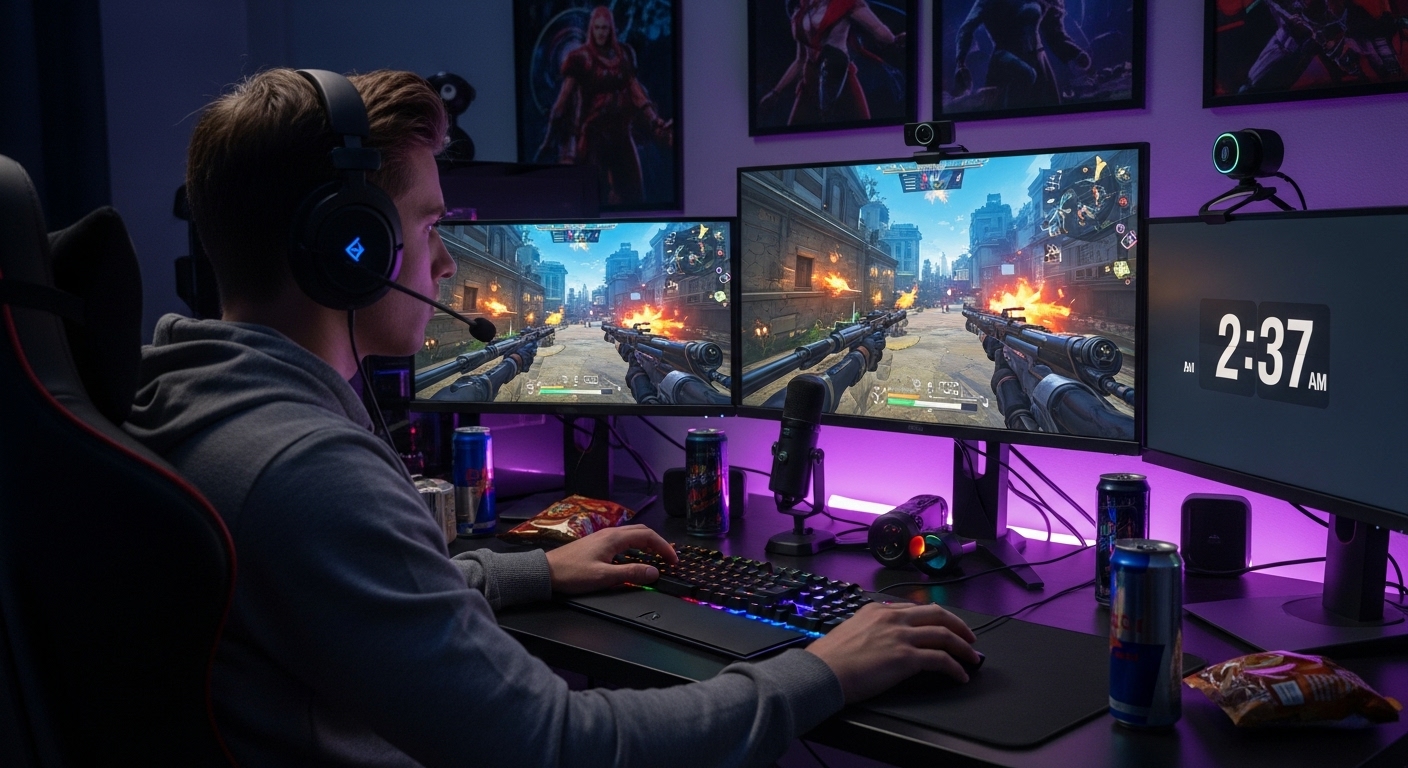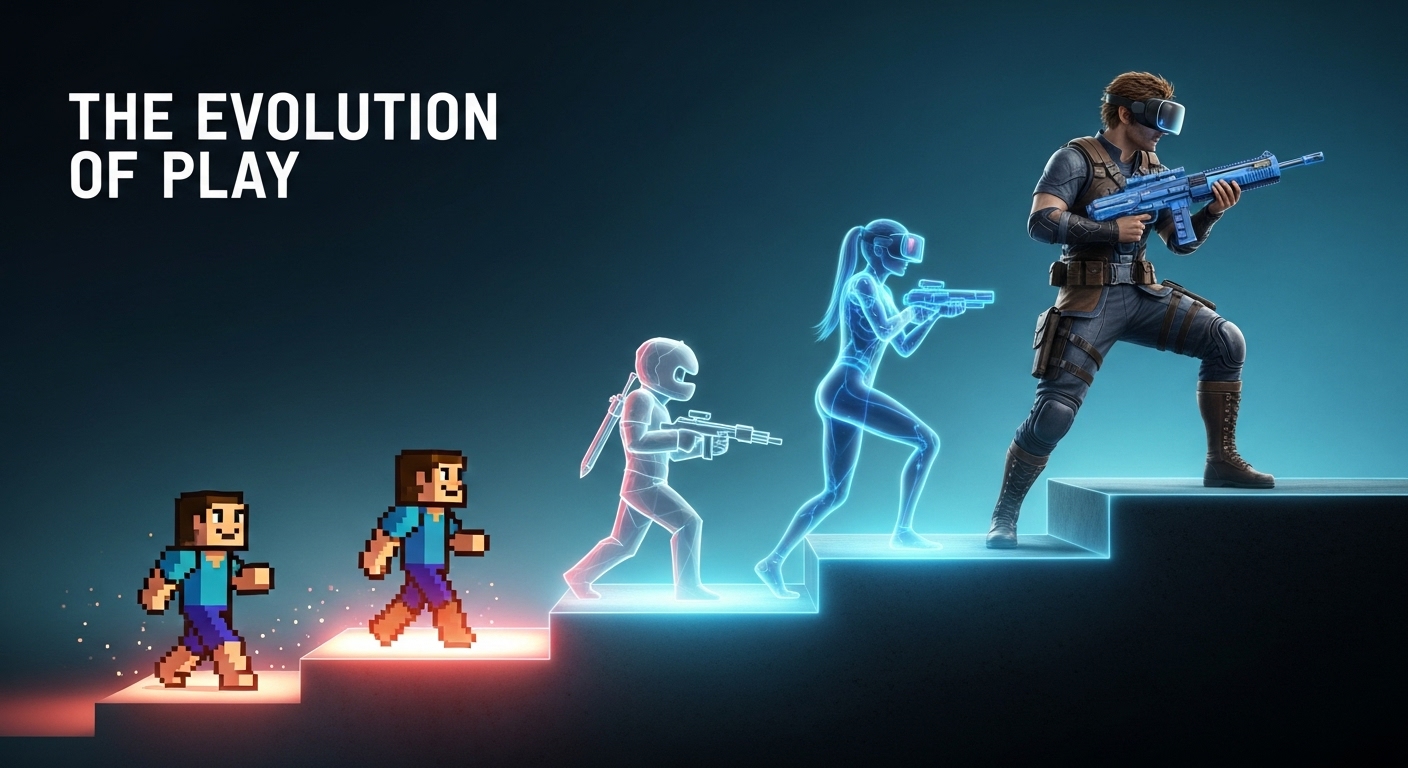
Gaming has become more than just a pastime; it is a global phenomenon that connects billions of people across cultures, languages, and generations. The evolution of gaming from simple pixelated screens to immersive virtual experiences tells a story not just about technology, but about human imagination, creativity, and the relentless pursuit of play. Over the past few decades, gaming has transformed from a niche hobby into a dominant form of entertainment and even a viable career path for millions. In this post, we will explore the journey of gaming, how it shapes people’s lives, and why it continues to grow with unstoppable momentum.
The Birth of Digital Play
When we look back at the origins of gaming, it all began with simplicity. The earliest video games were created in laboratories, often as experiments rather than commercial products. Games like Pong and Space Invaders laid the foundation for what would become a vast and complex industry. These early titles captured the imagination of players, offering something that had never existed before: interactive digital entertainment. Unlike passive media such as film or television, games allowed players to influence outcomes, to act, and to see immediate results from their choices. This interactivity was revolutionary, and it set gaming apart from every other medium that existed at the time.
The 1980s and 1990s marked the golden age of gaming. Arcade machines drew crowds into neon-lit halls where players competed for high scores, while home consoles like the Nintendo Entertainment System and Sega Genesis brought the magic of gaming into living rooms around the world. Characters like Mario, Sonic, and Link became icons that transcended their digital worlds. They represented creativity, challenge, and fun, capturing the hearts of millions.
The Rise of Consoles and Personal Computers
As technology advanced, gaming diversified. The battle between consoles and personal computers began shaping the industry in profound ways. Consoles offered accessibility and simplicity, while PCs provided flexibility and power. The console wars of the 1990s between Sega and Nintendo, followed later by Sony’s PlayStation, created an environment of innovation. Every new generation of hardware aimed to push the limits of graphics, storytelling, and gameplay.
On the PC side, developers experimented with genres that became the foundation of modern gaming. Real-time strategy games like Age of Empires and StarCraft challenged players to think strategically, while first-person shooters like Doom and Half-Life redefined immersion and intensity. Meanwhile, role-playing games such as Baldur’s Gate and The Elder Scrolls series expanded what storytelling in games could achieve.
The diversity of genres grew exponentially. Sports games became more realistic, simulation games allowed players to control entire cities or civilizations, and adventure games provided deep emotional narratives. The gaming landscape became a mosaic of creativity, each genre appealing to different types of players.
The Cultural Impact of Gaming
By the early 2000s, gaming was no longer just a hobby for a small group of enthusiasts; it had become mainstream culture. The release of titles like Grand Theft Auto III, Halo: Combat Evolved, and The Sims demonstrated that games could appeal to all kinds of audiences. They combined cinematic storytelling, technical innovation, and open-ended gameplay, creating experiences that rivaled films and books in emotional depth.
Gaming also began influencing other creative industries. Film directors drew inspiration from game visuals and storytelling techniques. Musicians and artists collaborated with developers to create soundtracks and designs that elevated games into works of art. Pop culture began to reference games frequently, from television shows to fashion.
Most importantly, gaming started connecting people. With the rise of online play, gamers could compete and collaborate with others around the world. Multiplayer experiences became the heart of modern gaming, transforming it from a solitary activity into a social one. Online games like World of Warcraft, Counter-Strike, and later Fortnite and League of Legends built vast communities. Players weren’t just competing; they were forming friendships, building teams, and sometimes even meeting future partners.
The Power of Storytelling in Games
One of the most fascinating developments in gaming is the growth of storytelling. Early games focused primarily on gameplay mechanics, but as technology improved, developers began exploring complex narratives that could evoke emotion and empathy. Titles like The Last of Us, Red Dead Redemption, and Mass Effect showed that games could tell stories as profound and moving as any novel or film.
Interactive storytelling allows players to influence outcomes, making them co-authors of their experiences. Choices made within games can change endings, affect relationships between characters, and alter the world around them. This sense of agency gives gaming a unique emotional power that no other medium can replicate.
Moreover, games have become a platform for exploring serious themes such as mental health, identity, and morality. Indie games like Celeste, Gris, and Undertale demonstrate that even smaller titles can deliver powerful messages. These games remind us that gaming is not just about winning or losing; it’s about experiencing, feeling, and reflecting.
The Emergence of Esports
Another monumental shift in gaming came with the rise of esports. Competitive gaming transformed from local tournaments into massive global events watched by millions. Titles like Dota 2, Counter-Strike: Global Offensive, and League of Legends became household names in the competitive scene. Players trained with the same dedication as professional athletes, and entire industries formed around coaching, streaming, and analysis.
Esports blurred the line between traditional sports and gaming. Stadiums filled with cheering fans, commentators narrated play-by-play action, and teams secured sponsorship deals worth millions. Today, esports represents not only a cultural movement but also a thriving economy.
The accessibility of streaming platforms helped this growth. Sites that allow players to broadcast their gameplay turned gaming into a spectator sport. Fans could now follow their favorite players, learn strategies, and engage with a global community in real time. This interactivity gave gaming a new layer of participation and connection.
The Social Dimension of Gaming
Gaming has also become a powerful social platform. Online games are virtual meeting spaces where people connect regardless of geography. Voice chat, text communication, and social hubs inside games allow friendships to form and communities to thrive. For many, gaming is not just entertainment—it is a form of belonging.
Multiplayer games often function like digital playgrounds. Players team up, collaborate, and create their own stories. Even within competitive games, camaraderie often forms through shared goals and challenges. Cooperative experiences such as Minecraft, Among Us, or Destiny 2 highlight how gaming brings people together in creative and meaningful ways.
Moreover, gaming has provided an escape and source of comfort for millions. During global events such as the pandemic, online gaming communities became lifelines of social interaction. They offered stability, entertainment, and friendship during uncertain times. This emotional connection between players and games shows how deeply integrated gaming has become in modern life.
Technological Evolution and the Future of Play
Technology continues to redefine what is possible in gaming. Graphics have reached astonishing levels of realism, sound design immerses players completely, and physics engines make virtual worlds behave like real ones. But beyond realism, innovation lies in new forms of interactivity.
Virtual Reality (VR) and Augmented Reality (AR) represent the next frontier. VR headsets transport players directly into the game world, creating experiences that engage the senses on every level. Games like Beat Saber and Half-Life: Alyx showcase how powerful this immersion can be. Meanwhile, AR games overlay digital content onto the real world, as seen in titles like Pokémon Go, blending the virtual with the physical.
Cloud gaming is also changing accessibility. Instead of requiring powerful hardware, players can now stream high-quality games over the internet. This democratization of gaming allows more people to experience complex titles without expensive systems. It signals a future where games are as easy to access as movies or music.
Artificial intelligence is another driving force. AI not only improves the behavior of non-player characters but also adapts to player behavior, creating personalized experiences. Procedural generation allows developers to create vast, ever-changing worlds that feel alive and unpredictable.
The Business of Gaming
Behind the creativity and technology lies a massive global industry. Gaming generates more revenue than the film and music industries combined. The economic scale of gaming has created opportunities in development, marketing, design, esports management, and content creation.
Indie developers have also found success by creating games that focus on artistic vision rather than massive budgets. Digital distribution platforms have empowered small teams to reach global audiences, proving that creativity and originality can triumph over financial power.
Microtransactions, downloadable content, and subscription models have also reshaped how games are monetized. While controversial, these systems reflect how gaming continues to evolve economically. The debate about fair pricing, consumer rights, and artistic integrity continues to shape industry standards.
Gaming as Art and Expression
There was once a time when people debated whether video games could be considered art. That debate has largely ended. Today, it is widely accepted that gaming is a legitimate art form that blends design, storytelling, sound, and interactivity. Every pixel, sound effect, and line of dialogue contributes to a cohesive artistic vision.
Games can provoke thought, inspire emotion, and express ideas just like any painting, poem, or film. Titles like Journey, Shadow of the Colossus, and Inside are often studied for their artistic depth and symbolism. They demonstrate how gameplay itself can convey meaning beyond words.
Moreover, players become part of this artistic expression. Their actions, decisions, and emotions shape the experience. In this way, gaming transforms audiences into collaborators, allowing them to participate in the creation of meaning.
The Psychology of Gaming
Understanding why people play games is a fascinating subject. Gaming satisfies a wide range of psychological needs: achievement, connection, exploration, and mastery. For many, games provide a sense of progress and accomplishment that real life sometimes lacks. Leveling up, completing missions, or achieving goals in a game can be deeply satisfying.
Games also offer safe spaces to explore identities and emotions. They allow people to express themselves in ways they might not be able to in real life. Role-playing games, for instance, let players embody characters with different backgrounds, powers, or personalities, helping them understand different perspectives.
There is also an element of escapism in gaming—a way to step away from reality and immerse oneself in a different world. This escape, however, is not necessarily negative. It can provide stress relief, creativity, and even problem-solving skills.
Challenges and Controversies
Despite its many positive aspects, gaming also faces challenges. Concerns about addiction, toxic behavior in online communities, and exploitative business practices continue to spark debate. Developers and communities alike are working to address these issues through moderation tools, awareness campaigns, and responsible design practices.
Representation and diversity are also important topics. For years, gaming was criticized for underrepresentation of women, minorities, and LGBTQ+ characters. Today, progress is being made, with more inclusive stories and characters reflecting the diversity of players around the world.
As gaming grows in influence, so does its responsibility. Developers, players, and industry leaders must ensure that gaming remains a space of creativity, respect, and inclusivity.
The Next Generation of Gamers
The current generation of gamers has grown up with technology integrated into every aspect of their lives. For them, gaming is as natural as reading or watching television. Children learn problem-solving, teamwork, and creativity through play. Parents and educators are beginning to recognize the potential of games as tools for learning and development.
Educational games, simulations, and virtual classrooms are changing how knowledge is delivered. Games that teach coding, logic, history, and empathy demonstrate that gaming can be both entertaining and educational.
The next generation of gamers is not just playing—they are creating. Game development tools are more accessible than ever, allowing anyone with imagination to build their own worlds. This democratization of creation ensures that gaming’s future will be more diverse and innovative than ever before.
Conclusion: The Infinite Game
Gaming is no longer confined to screens or consoles; it has become an essential part of human culture. It is art, sport, education, storytelling, and community all in one. From the first beeps of Pong to the vast universes of modern open-world games, the journey of gaming reflects the evolution of human creativity itself.
The beauty of gaming lies in its endless potential. Technology will continue to evolve, new genres will emerge, and fresh ideas will shape the experiences of tomorrow. But at its heart, gaming will always be about something timeless—the joy of play, the thrill of discovery, and the connections we form through shared adventures.
As we look ahead, one thing is certain: the game never truly ends. It only changes, adapts, and invites us to keep playing.