Introduction: More Than Just a Game
When we think of video games, we often imagine thrilling battles, adventurous quests, or even peaceful farming simulations. What we might not immediately recognize is how gaming has evolved into a multifaceted experience that goes far beyond mere entertainment. Video games have become a central part of modern culture, influencing everything from social interactions to mental health and even career paths. In this blog post, we will dive into the diverse ways gaming is shaping our world, highlighting its impact, its potential, and why it’s a force to be reckoned with in the 21st century.
Gaming as a Social Experience
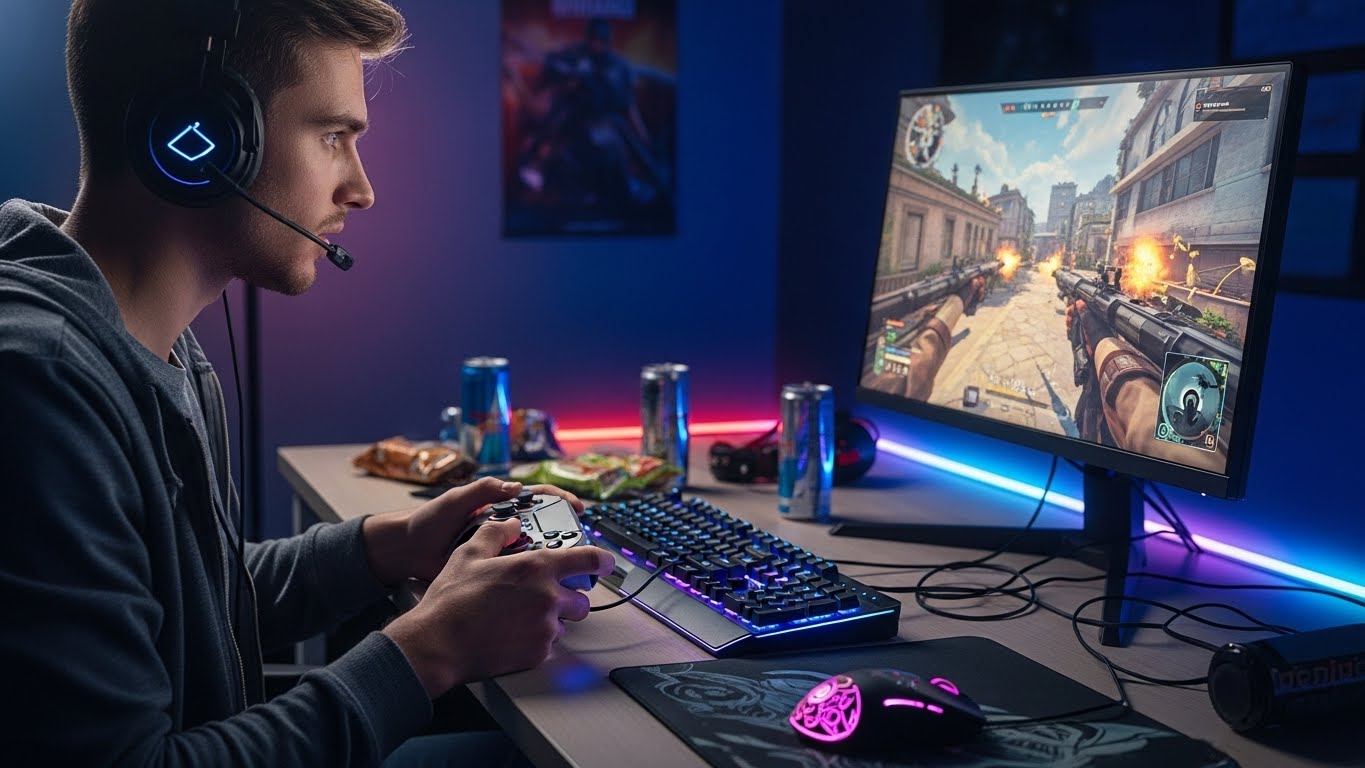
Gone are the days when gaming was a solitary hobby, limited to sitting in front of a screen by yourself. Today’s gaming world thrives on social connectivity. Online multiplayer games like Fortnite, Apex Legends, and World of Warcraft have turned gaming into a communal experience where players form teams, join clans, and collaborate to achieve shared goals.
But it’s not just about winning matches; it’s about forming real relationships. Many players spend countless hours bonding with friends from across the globe, building communities, and even creating lifelong friendships. Online games have fostered a new era of virtual socialization, where people can interact, share experiences, and grow together, all while navigating digital worlds.
The Power of Storytelling in Video Games
Video games have evolved into a storytelling medium that rivals books and films. With stunning visuals, intricate plots, and well-developed characters, modern games provide deeply immersive narratives that captivate players. Games like The Last of Us, Red Dead Redemption 2, and BioShock Infinite don’t just offer gameplay—they offer rich, emotional experiences that stay with players long after they’ve put down the controller.
In these games, you’re not just following a story—you’re part of it. The ability to make choices, influence outcomes, and explore vast, interactive worlds has redefined what it means to tell a story. These games allow players to step into the shoes of the protagonist, offering them agency and immersion that traditional forms of media simply cannot match.
Gaming as a Tool for Mental Health and Therapy
While many view gaming as a form of escape, it has also been recognized for its positive impact on mental health. Games are being used as therapeutic tools to help people cope with stress, anxiety, and even trauma. Studies have shown that certain video games can help improve cognitive function, enhance problem-solving skills, and reduce symptoms of depression and anxiety.
Moreover, games provide an outlet for creativity and self-expression. Games like Minecraft and The Sims offer players the opportunity to build, create, and design their own virtual worlds, fostering a sense of accomplishment and pride. For individuals dealing with mental health challenges, these games can provide a safe space to unwind, express themselves, and develop problem-solving skills that translate into real-life scenarios.
The Rise of Esports: Gaming as a Profession
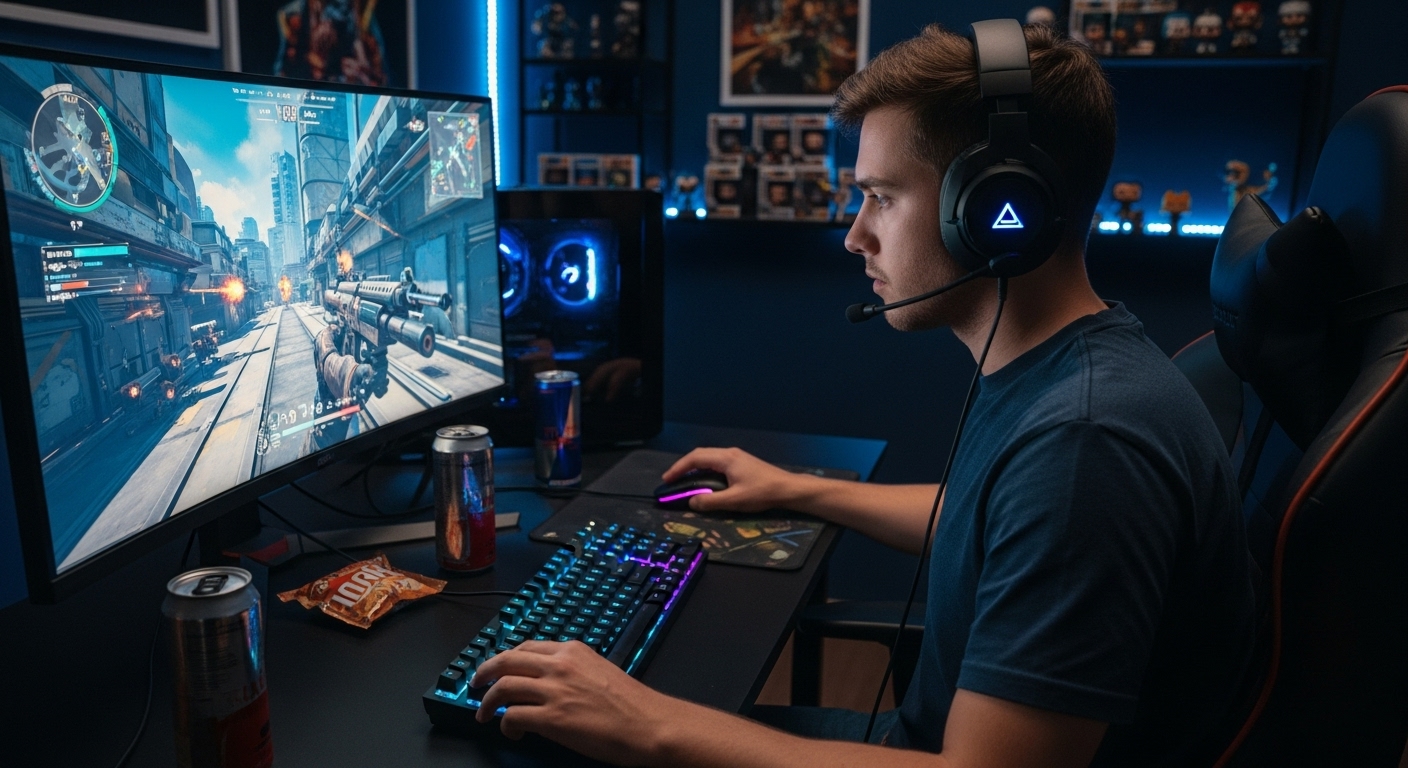
Esports has exploded into a global industry in recent years. Competitive gaming has grown from a niche interest to a multi-million-dollar enterprise, with professional players, teams, and tournaments gaining widespread recognition. Major events like The International (the Dota 2 championship), League of Legends World Championship, and Fortnite World Cup now attract millions of viewers and offer substantial cash prizes.
For many gamers, esports has become a viable career path. Professional gamers, streamers, and content creators can earn a living by competing in tournaments, streaming on platforms like Twitch, or creating sponsored content. The rise of esports has also given birth to new job opportunities in fields such as game development, event management, and sports broadcasting.
The Future of Gaming: Virtual Reality and Beyond
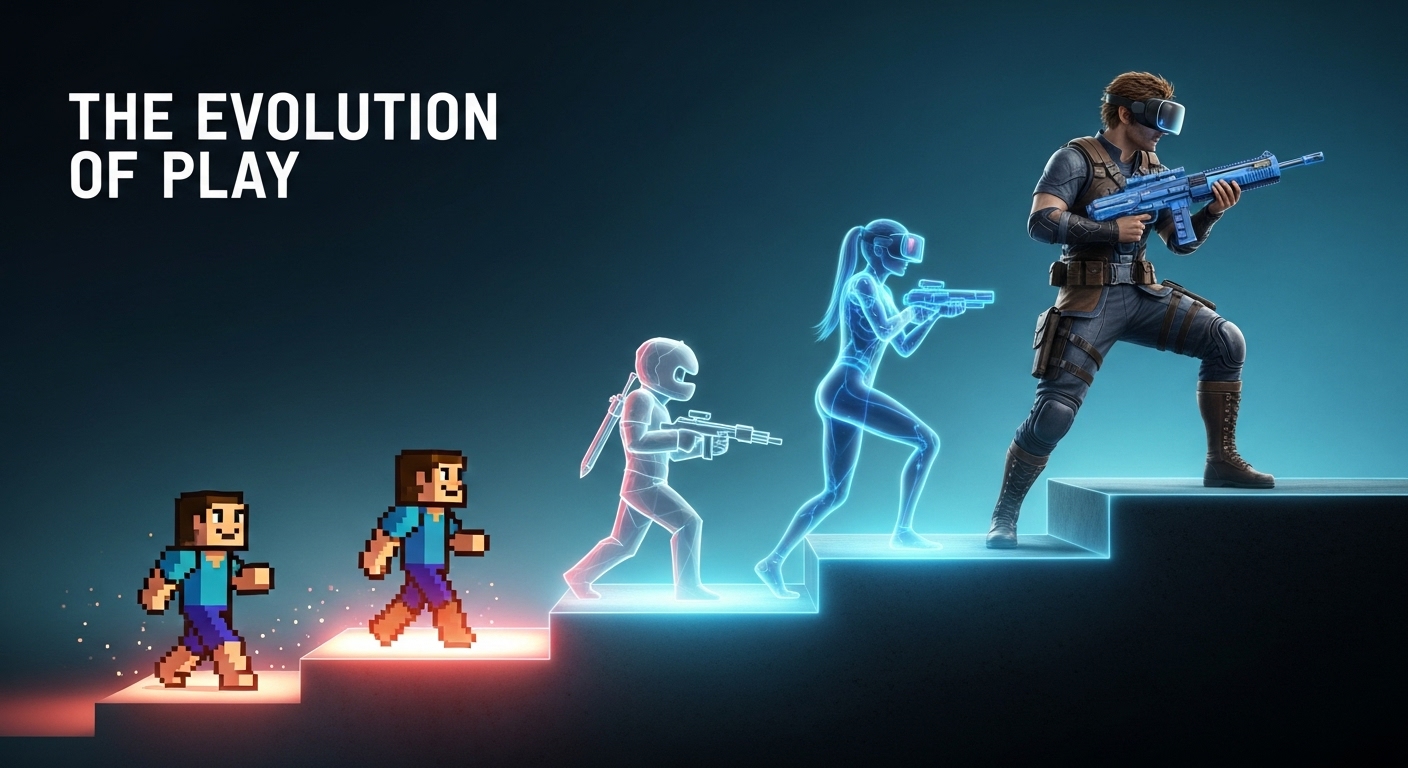
As technology continues to advance, the future of gaming looks more exciting than ever. Virtual reality (VR) and augmented reality (AR) are opening up entirely new dimensions in gameplay, offering players a chance to immerse themselves in their favorite games like never before. Imagine exploring a post-apocalyptic world in Fallout VR, engaging in hand-to-hand combat in Beat Saber, or playing a first-person shooter with realistic movement and depth—all without leaving your living room.
Cloud gaming is another emerging trend that has the potential to change the landscape of the gaming industry. With services like Google Stadia and Xbox Cloud Gaming, players can stream high-quality games without needing expensive hardware. This could democratize gaming by making it accessible to anyone with a decent internet connection, regardless of whether they own a high-end gaming PC or console.
Gaming and Creativity: A Canvas for Innovation
Video games are more than just a pastime—they are a platform for creativity. Game developers, modders, and players themselves are constantly pushing the boundaries of what’s possible in digital worlds. Games like LittleBigPlanet and Super Mario Maker allow players to create their own levels, characters, and entire game worlds, turning the gaming experience into a creative canvas where imagination can run wild.
Additionally, many game designers and developers are experimenting with new genres and innovative mechanics. Indie games, in particular, have become a breeding ground for new ideas and creative experimentation, with games like Celeste, Hollow Knight, and Hades showcasing the power of independent development.
Conclusion: Gaming as a Cultural Force
What started as a niche activity has grown into a cultural juggernaut that influences nearly every aspect of our lives. From social interaction and mental health benefits to professional careers and creative expression, gaming has proven that it’s more than just a way to pass the time—it’s a platform that can shape our relationships, our work, and our world.
As technology continues to evolve, the possibilities for gaming are limitless. Whether it’s through immersive VR worlds, global esports tournaments, or innovative game design, gaming will remain a powerful force in the digital age. So, the next time you pick up a controller or dive into a virtual universe, remember that you’re not just playing a game—you’re participating in one of the most influential cultural movements of our time.