Introduction: Gaming as a Modern Cultural Phenomenon
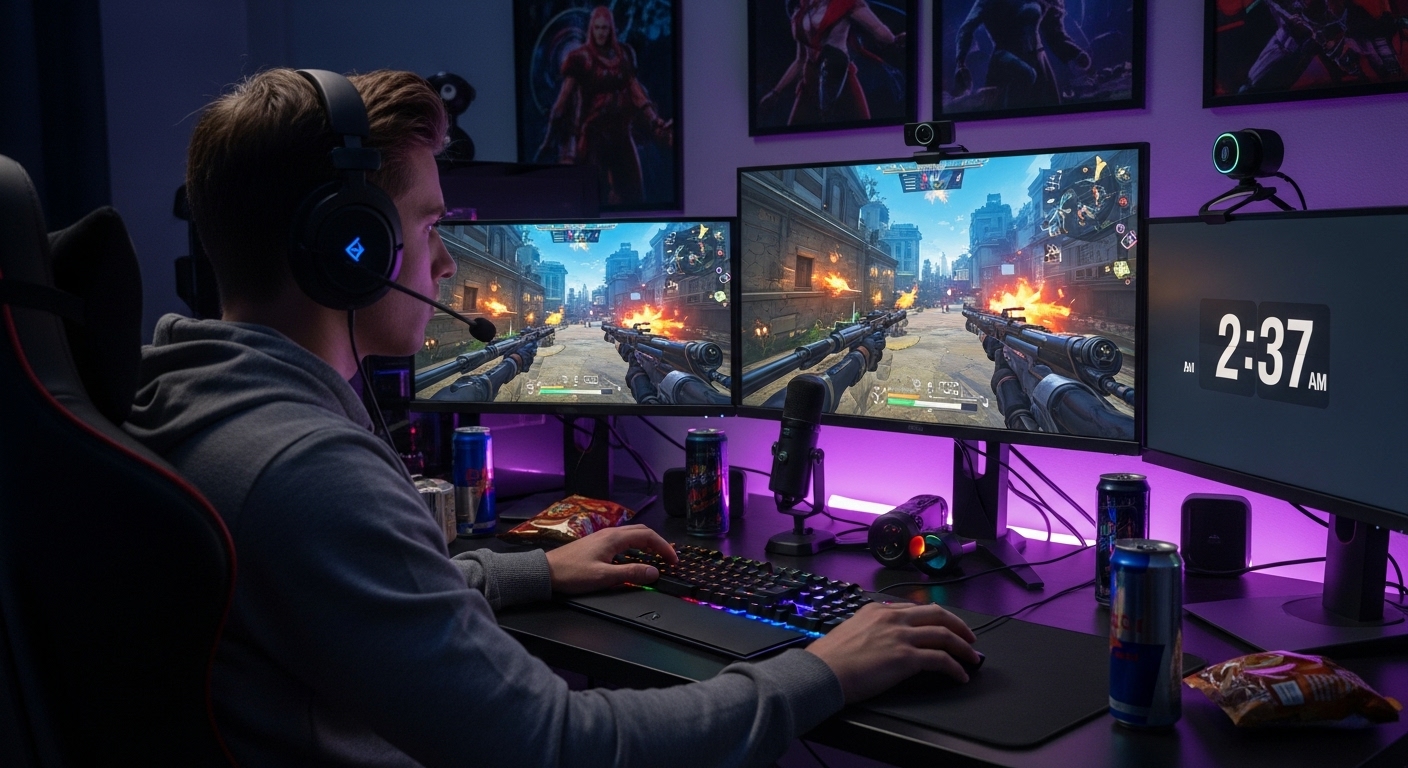
Gaming has evolved far beyond a simple pastime. What began as a hobby for children and enthusiasts has grown into a multifaceted industry that impacts entertainment, technology, education, and social culture. From simple pixelated screens to hyper-realistic immersive worlds, gaming now engages millions of people worldwide. The appeal of gaming lies in its ability to transport players into imaginative universes, challenge problem-solving abilities, and foster creativity and collaboration. This blog explores the evolution of gaming, its cultural significance, technological advances, and its impact on society.
The Early Days: From Arcades to Home Consoles
The origins of gaming can be traced back to the 1970s and 1980s with the advent of arcade games. Titles like Pong, Space Invaders, and Pac-Man captured public imagination with their simplicity and competitive high-score mechanics. Arcades became social hubs where players shared experiences and competed for recognition. The transition to home consoles, such as the Nintendo Entertainment System and Sega Genesis, brought gaming into living rooms, allowing for longer play sessions, storytelling, and cooperative or competitive play with family and friends. This shift marked the beginning of gaming as a mainstream entertainment medium.
The Rise of PC Gaming
While consoles dominated living rooms, personal computers provided a platform for innovation and experimentation. PC gaming allowed developers to create complex simulations, strategy games, and role-playing games that were often too sophisticated for consoles. Titles like The Sims, Civilization, and Half-Life revolutionized gameplay by combining narrative depth with strategy and exploration. Additionally, the modding community emerged, enabling players to create new content, customize gameplay, and even develop entirely new experiences. PC gaming became a hub for creativity and community interaction, expanding the possibilities of digital entertainment.
Online Gaming and Multiplayer Experiences
The introduction of online gaming transformed the industry by connecting players across the globe. Multiplayer games such as World of Warcraft, Counter-Strike, and Fortnite created digital communities and competitive spaces where players could collaborate or compete in real-time. Online gaming also popularized esports, where players compete professionally, and streaming, where audiences watch gameplay live. This interconnected environment fosters social interaction, teamwork, and strategic thinking while creating a sense of belonging among global players.
Mobile Gaming: Entertainment in Your Pocket
The proliferation of smartphones introduced gaming to a wider, more casual audience. Mobile games like Candy Crush, Pokémon Go, and Clash of Clans brought gaming into daily life, accessible anytime and anywhere. Mobile platforms have encouraged innovation in augmented reality, location-based gameplay, and social connectivity. They also introduced casual gamers to interactive entertainment, blurring the line between gaming and everyday leisure. Mobile gaming has thus expanded the cultural footprint of interactive entertainment, engaging millions who might not use traditional consoles or PCs.
The Art of Storytelling in Gaming
Modern games emphasize narrative as much as gameplay mechanics. Games now offer complex stories, fully developed characters, and immersive worlds that rival books and movies in depth and emotional impact. Titles like The Last of Us, Red Dead Redemption, and Cyberpunk 2077 demonstrate how storytelling can engage players on multiple levels. Unlike traditional media, games allow players to influence the narrative through choices, creating personal, interactive experiences. This integration of gameplay and storytelling has elevated gaming into a recognized art form.
Technological Innovations Shaping Gaming
Technological advancements have continuously expanded the boundaries of gaming. High-definition graphics, realistic physics, and artificial intelligence create immersive, lifelike experiences. Virtual and augmented reality technologies offer unprecedented levels of engagement, allowing players to inhabit digital worlds in highly interactive ways. Features like haptic feedback, motion tracking, and 3D audio further enhance sensory immersion, making games not only visually impressive but experientially compelling. Gaming technology continues to push innovation, redefining how audiences engage with interactive content.
Gaming and Education
Gaming is increasingly recognized for its educational potential. Educational games teach subjects from mathematics to history in interactive ways that promote engagement and retention. Strategy games enhance critical thinking, problem-solving, and resource management, while simulation games allow experimentation in safe, controlled environments. Multiplayer games teach teamwork, leadership, and communication skills. Research indicates that well-designed games can improve cognitive abilities, demonstrate complex systems, and encourage creativity, illustrating the value of gaming beyond entertainment.
The Social Dimension of Gaming
Gaming has always had a social aspect, and modern technologies amplify this dimension. Online multiplayer environments, forums, and social media communities allow players to collaborate, compete, and share experiences globally. These interactions foster friendships, collaboration, and a sense of belonging. Gaming communities also encourage mentorship, knowledge sharing, and collaborative problem-solving, highlighting how gaming can strengthen social bonds and promote positive interactions among diverse audiences.
Esports and Competitive Gaming
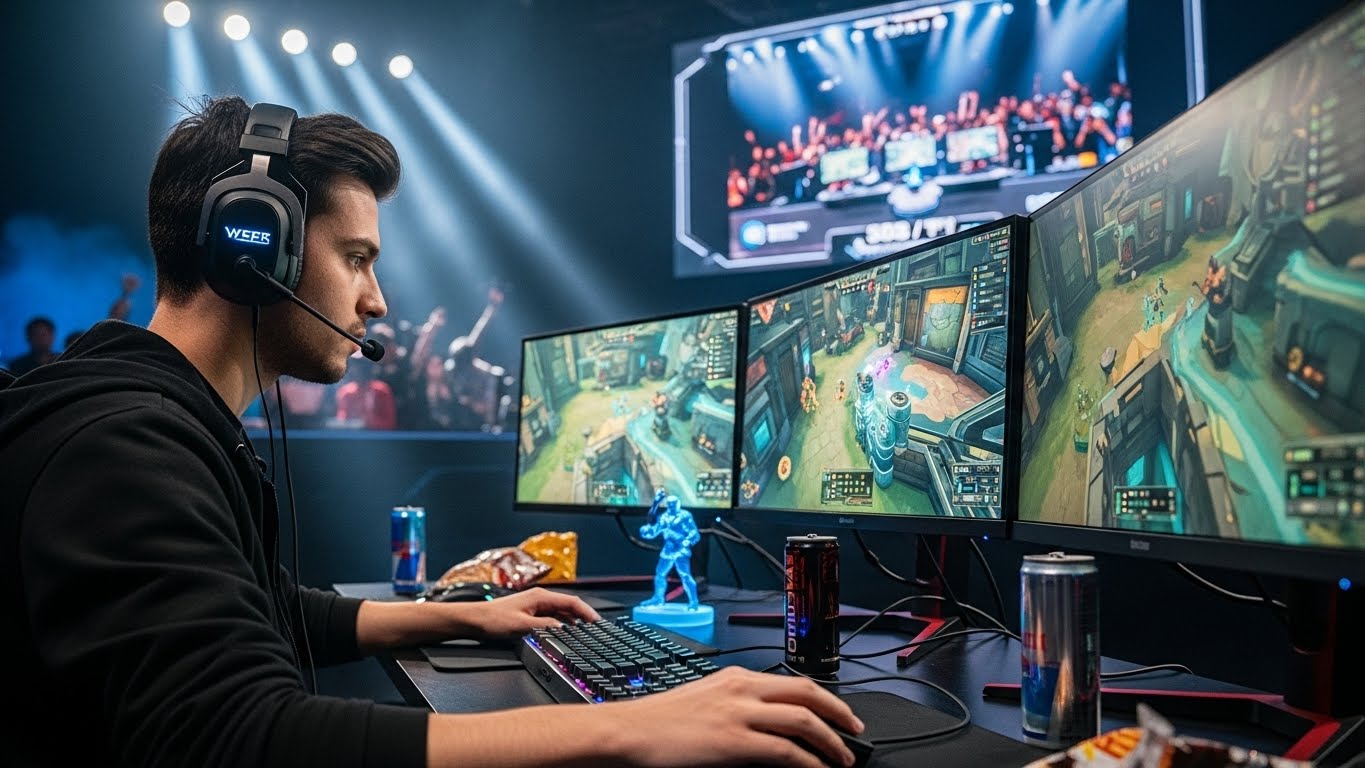
Esports has emerged as a major facet of modern gaming culture. Competitive gaming involves professional players, teams, and tournaments, offering both entertainment and career opportunities. Major esports titles like League of Legends, Dota 2, and Counter-Strike attract millions of viewers and offer substantial prize pools. Esports fosters discipline, strategic thinking, and performance under pressure, paralleling traditional sports in structure and intensity. The growth of esports demonstrates gaming’s legitimacy as a competitive and professional industry.
Cultural Impact of Gaming
Gaming has become a significant cultural force. It influences art, music, fashion, and entertainment trends while reflecting societal values and narratives. Games often address complex themes such as morality, identity, and social issues, allowing players to explore perspectives and ideas interactively. Additionally, gaming culture has fostered global collaboration, connecting players and creators across borders. The shared experiences of gaming communities contribute to cultural exchange, highlighting the role of games as a medium for social and cultural engagement.
Challenges in Gaming
Despite its benefits, gaming faces challenges. Concerns include addiction, excessive screen time, and exposure to inappropriate content. Competitive and professional gaming can lead to burnout and stress. Developers and communities address these issues through parental controls, responsible gaming initiatives, and mental health support for professional players. Awareness and moderation are essential to ensuring that gaming remains a healthy and constructive activity for all audiences.
The Future of Gaming
The future of gaming promises continued innovation and expansion. Cloud gaming allows access to high-quality games without specialized hardware, making gaming more accessible. Artificial intelligence enables adaptive gameplay experiences tailored to individual players. Virtual and augmented reality will further enhance immersion, creating hybrid experiences that blend physical and digital worlds. Gaming is poised to integrate with education, social platforms, and professional industries, offering interactive experiences that extend beyond traditional entertainment.
Conclusion: Gaming as a Transformative Medium
Gaming has evolved from simple entertainment into a complex, multifaceted medium that influences culture, technology, education, and social interaction. From early arcade games to immersive digital worlds, gaming offers experiences that challenge, educate, and connect people. Its role extends beyond recreation, shaping creative expression, professional opportunities, and global communities. Gaming’s evolution reflects broader societal trends and technological advancements, solidifying its place as one of the most influential forms of modern entertainment. The journey of gaming continues to inspire, innovate, and engage audiences worldwide.