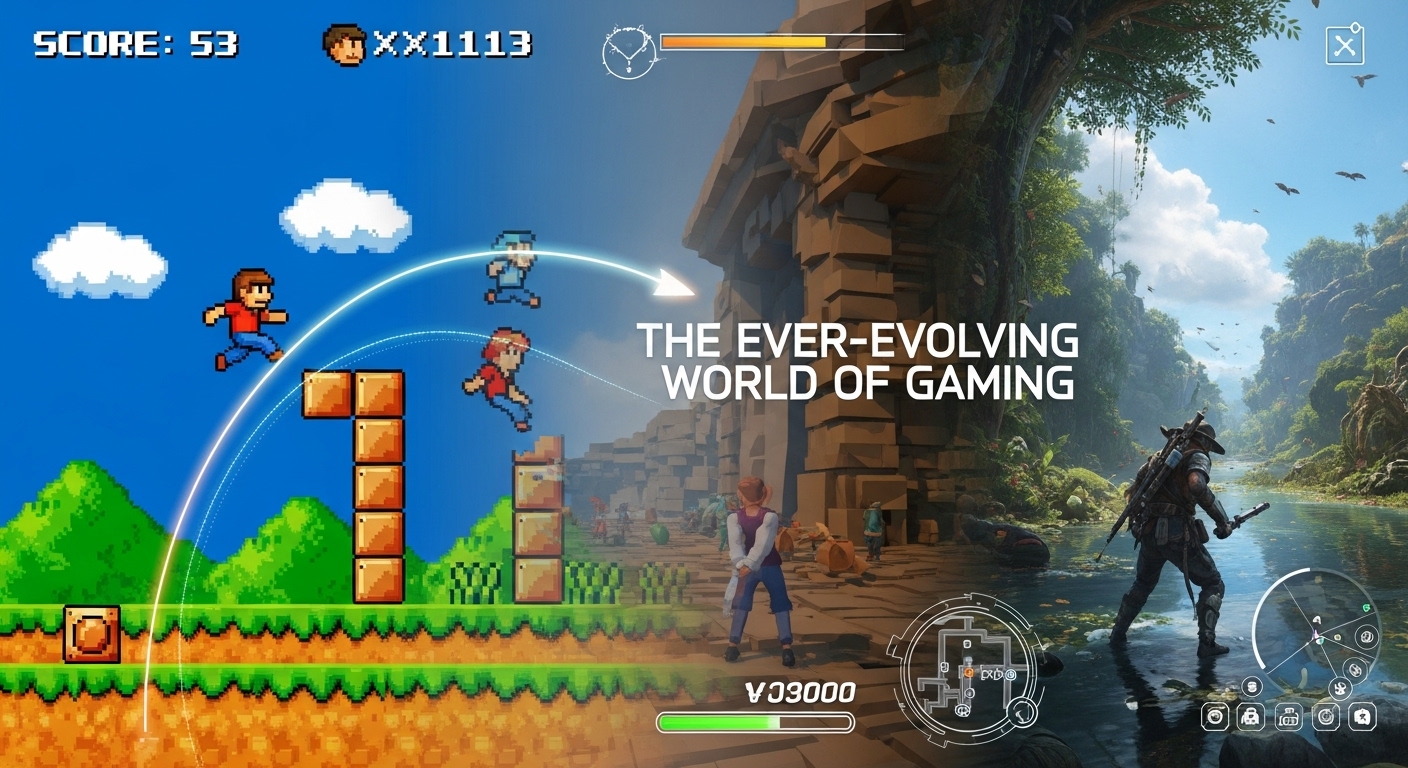
Gaming has evolved far beyond the simple pixelated screens of the past. What began as a pastime for children and hobbyists has transformed into a global phenomenon influencing culture, technology, social interaction, and even education. Modern gaming spans consoles, PCs, mobile devices, and cloud platforms, offering immersive experiences that appeal to a wide range of audiences. This blog explores the evolution of gaming, its impact on society, cognitive and social benefits, challenges, and the exciting future that awaits this dynamic industry.
The Evolution of Gaming
The history of gaming dates back to the 1970s, when arcade classics like Pong and Space Invaders captivated audiences with simple yet engaging mechanics. Early home consoles such as the Atari 2600 and Nintendo Entertainment System brought gaming into households, laying the foundation for a growing global community of players.
As technology advanced, graphics became more realistic, gameplay mechanics more sophisticated, and narratives more immersive. The 1990s saw the rise of 3D gaming with titles like Super Mario 64 and Final Fantasy VII, which allowed players to explore vast worlds and experience deeper storytelling. Today, gaming includes fully immersive experiences with realistic graphics, detailed environments, and advanced AI, creating an experience rivaling movies and literature in depth and complexity.
Gaming Platforms: From Consoles to Mobile
Modern gaming is no longer confined to consoles or PCs. Mobile gaming has become a dominant force, with smartphones and tablets enabling players to access games anywhere and anytime. Popular mobile titles have attracted millions of users worldwide, turning casual play into a mainstream form of entertainment.
Cloud gaming is another innovation that is reshaping how people play. By streaming games over the internet, players no longer require expensive hardware or storage. Cloud gaming allows instant access to high-quality games across devices, making gaming more accessible and convenient than ever before.
The Social Dimension of Gaming
Gaming is often portrayed as a solitary activity, but modern platforms emphasize social interaction. Multiplayer games allow players to collaborate, compete, and communicate with friends and strangers globally. Online communities and forums enable discussions, strategy sharing, and friendship-building around shared gaming interests.
Esports has transformed gaming into a spectator sport, with professional players, competitive leagues, and tournaments attracting millions of viewers worldwide. Esports not only provides entertainment but also fosters teamwork, communication, and a sense of belonging among fans and participants.
Cognitive Benefits of Gaming
Beyond entertainment, gaming offers significant cognitive benefits. Strategy games, puzzles, and role-playing games challenge players to think critically, plan ahead, and adapt to changing circumstances. These skills are transferable to real-world scenarios, improving problem-solving, multitasking, and decision-making abilities.
Simulation games and strategy-based titles can also improve memory, spatial awareness, and analytical thinking. Even fast-paced action games enhance reflexes and hand-eye coordination. Through these cognitive challenges, gaming stimulates the brain and promotes mental agility, demonstrating that play can be both enjoyable and educational.
Emotional and Psychological Impact
Gaming provides emotional engagement and psychological benefits. The sense of achievement from completing missions, leveling up, or winning competitions triggers the release of dopamine, creating a rewarding experience. This can boost confidence, motivation, and resilience.
However, it is essential to approach gaming mindfully. Excessive gaming can lead to social isolation, disrupted sleep patterns, and addictive behaviors. Setting limits and balancing gaming with real-life activities ensures that the psychological benefits outweigh potential drawbacks.
Gaming and Education
Gaming has increasingly become a tool for education and skill development. Educational games incorporate problem-solving, creativity, and strategic thinking, making learning more interactive and engaging. Virtual simulations allow students to explore complex concepts in science, history, or mathematics through experiential learning.
Gamification of educational content—adding rewards, levels, and challenges—enhances motivation and retention. Even traditional video games can teach soft skills such as teamwork, leadership, and time management. The intersection of gaming and education highlights the medium’s potential to provide meaningful learning experiences beyond conventional classrooms.
Technological Innovations in Gaming
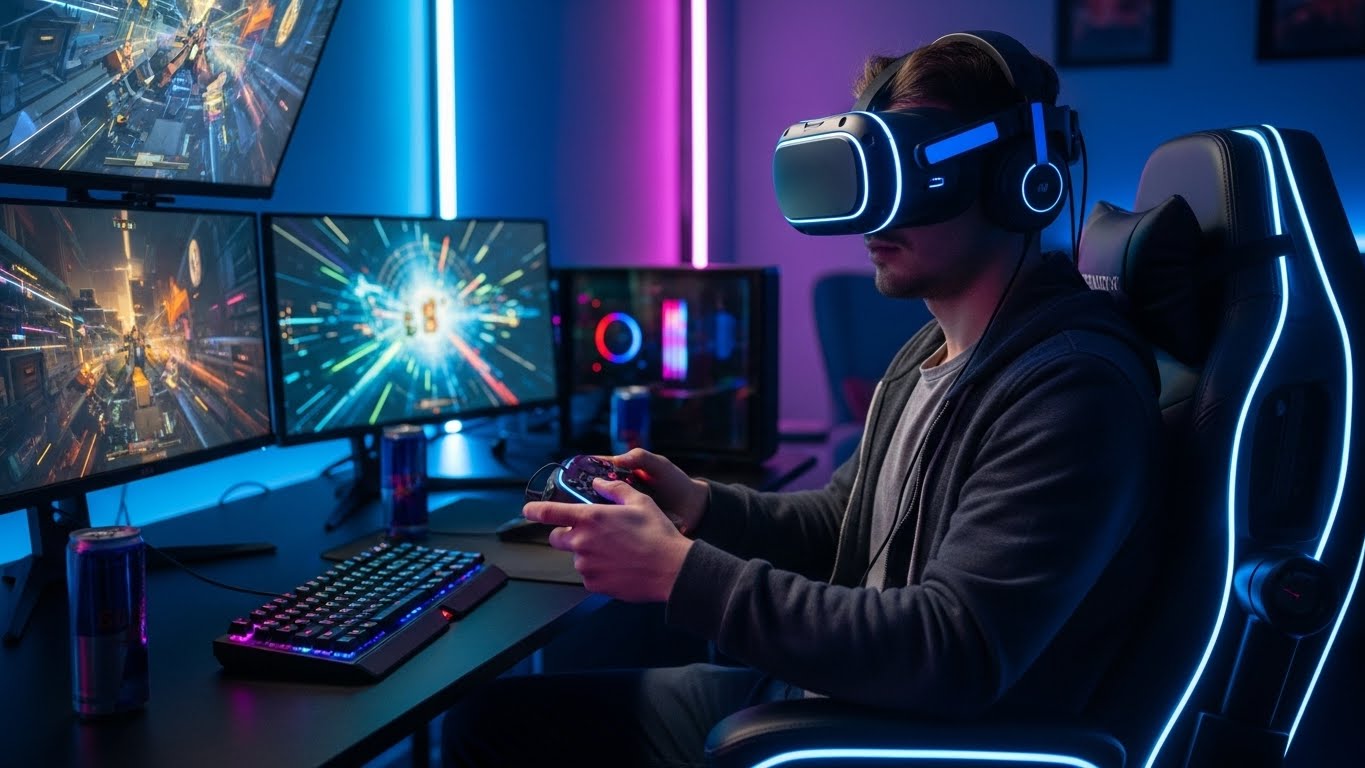
Technological advancements continue to redefine gaming. Virtual reality (VR) immerses players in fully interactive worlds, while augmented reality (AR) blends digital elements with real-world environments. These technologies provide unparalleled experiences that deepen engagement and offer creative new possibilities for storytelling.
Artificial intelligence (AI) enhances non-player character behavior, creates dynamic game environments, and personalizes gameplay based on player behavior. High-definition graphics, motion capture, and realistic physics further increase immersion, making gaming more lifelike and emotionally engaging.
Gaming and Culture
Gaming has become a major cultural phenomenon. Iconic characters, storylines, and franchises have influenced music, fashion, film, and literature. Cosplay, fan art, and community events celebrate gaming culture, bringing enthusiasts together and fostering creativity.
Narrative-driven games explore complex themes such as morality, identity, and social issues, challenging players to reflect and make ethical decisions. Through storytelling, gaming has become a powerful medium for cultural expression and social commentary.
Esports and Professional Gaming
Esports has elevated gaming from a hobby to a professional career path. Competitive gaming requires skill, strategy, teamwork, and dedication, similar to traditional sports. Professional players participate in international tournaments, representing teams and sponsors, while streaming platforms allow them to engage with fans in real-time.
Esports fosters discipline, resilience, and strategic thinking among participants. For viewers, esports provides entertainment, inspiration, and a sense of community. The rise of esports has transformed gaming into a legitimate industry with global recognition and economic impact.
Challenges in Modern Gaming
Despite its benefits, gaming faces challenges. Online harassment, toxicity in communities, and cheating can negatively affect player experiences. Additionally, in-game purchases and monetization models can sometimes exploit players financially.
Regulation and responsible gaming practices are essential. Developers and platforms must prioritize player protection, encourage healthy gaming habits, and create safe and inclusive communities. Awareness and moderation ensure that gaming remains a positive and enriching activity.
Gaming for Personal Growth
Gaming can contribute to personal growth and development. Players develop critical thinking, problem-solving, teamwork, and leadership skills through cooperative and competitive play. Strategy games encourage planning and adaptability, while creative games foster imagination and innovation.
Gaming also teaches resilience and patience. Overcoming challenging levels, setbacks, or competition requires perseverance and determination. These life lessons extend beyond virtual environments, equipping players with skills applicable to education, careers, and everyday life.
The Future of Gaming
The future of gaming promises further innovation and transformation. Advancements in AI, cloud computing, VR, and AR will continue to enhance immersion, interactivity, and accessibility. Cross-platform play, social integration, and adaptive technologies will make gaming more inclusive and engaging.
Gaming will increasingly intersect with education, health, and social engagement, creating experiences that are entertaining, informative, and beneficial. The line between gaming, storytelling, and real-life interaction will continue to blur, offering limitless possibilities for creativity and connection.
Conclusion
Gaming has evolved from a simple pastime to a multifaceted medium that influences culture, technology, education, and social interaction. It offers cognitive, emotional, and social benefits, while also presenting challenges that require responsible engagement.
From console games to mobile apps, esports, and virtual reality, gaming is more than entertainment—it is a platform for growth, creativity, and connection. By embracing the positive aspects of gaming, setting boundaries, and exploring innovative experiences, players can enjoy the full potential of this dynamic industry.
Gaming is not just about play; it is about learning, connecting, and experiencing new worlds. As technology continues to evolve, gaming will remain at the forefront of digital culture, shaping the future of entertainment, education, and social interaction for generations to come.