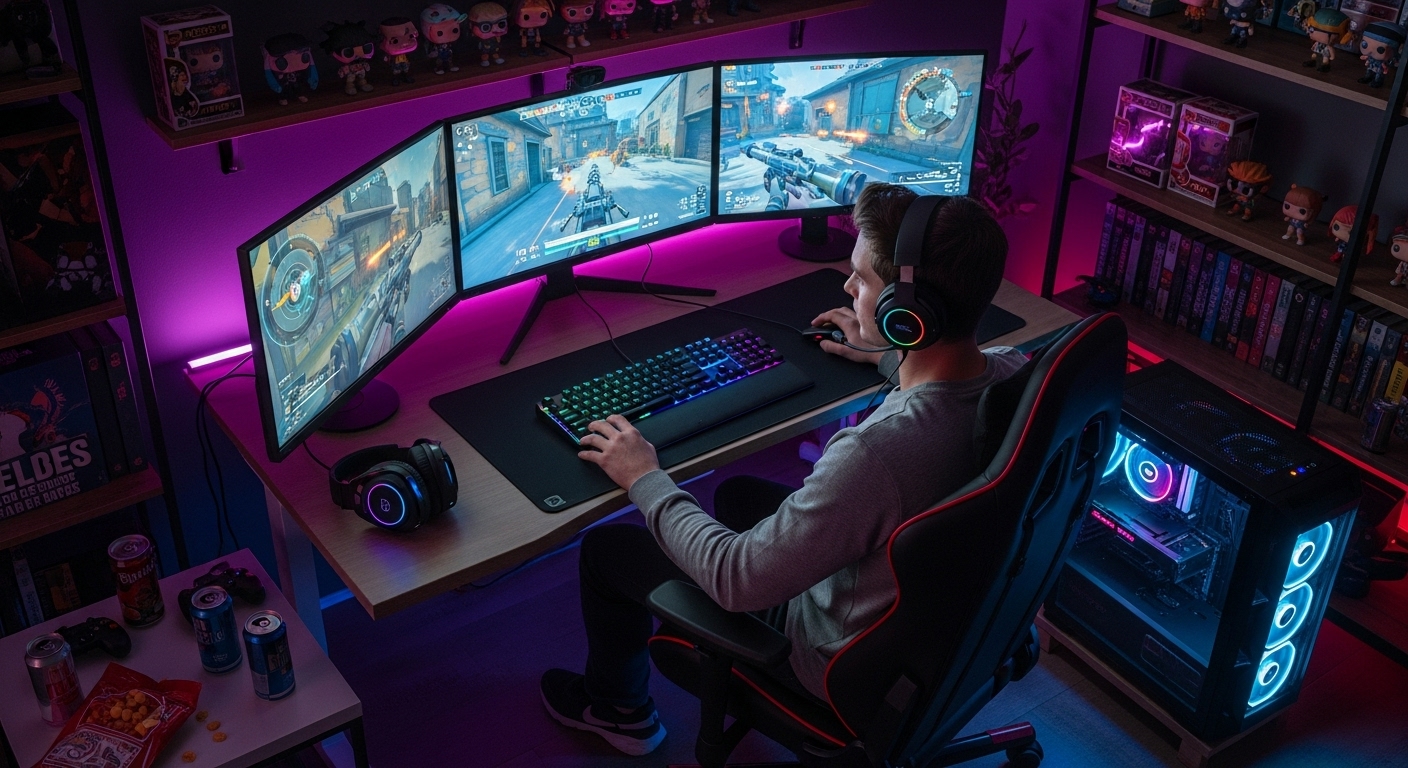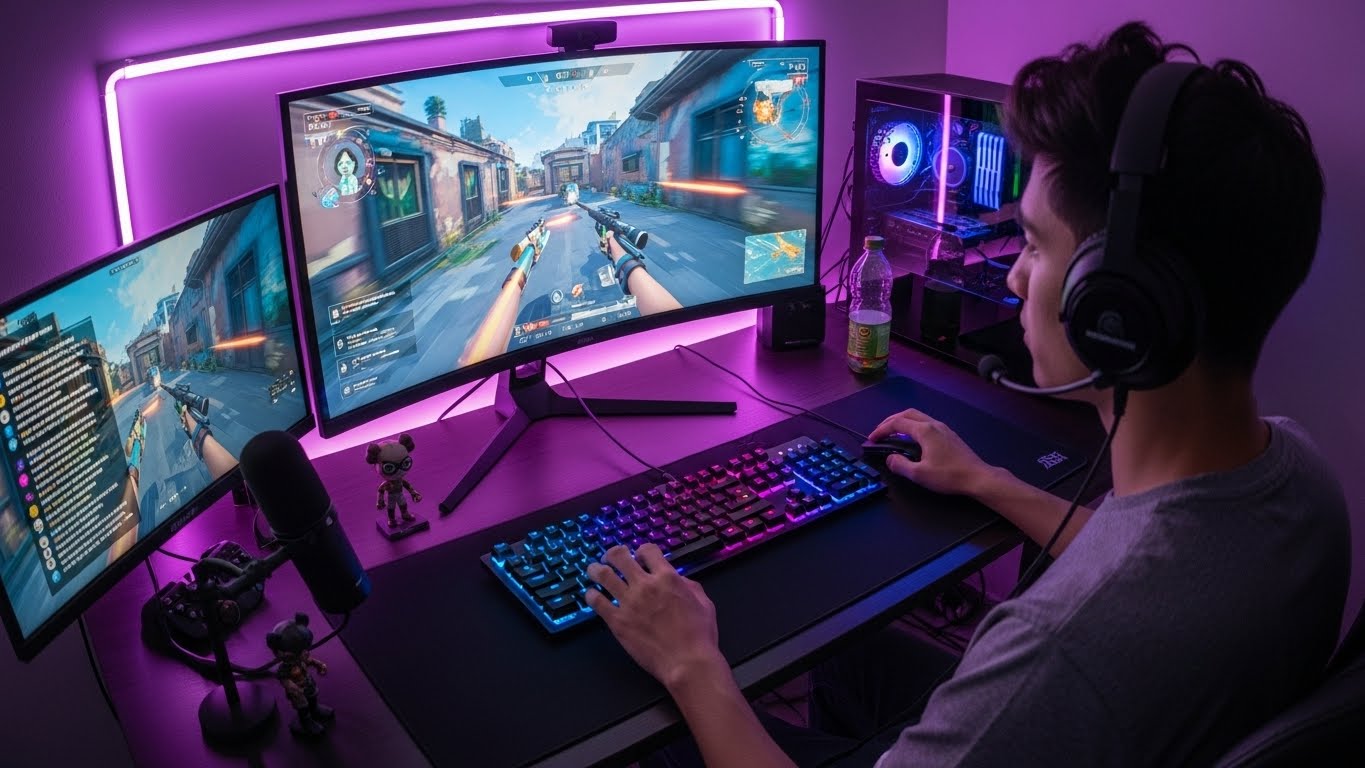
Gaming has transformed from a simple recreational activity into a global cultural phenomenon that shapes entertainment, technology and even the way people socialize. What once started as pixelated adventures on bulky consoles has now grown into a multi-dimensional universe where storytelling, strategy, creativity and competition come together. Today, gaming offers more than fun; it offers communities, careers and new ways of learning. This blog explores the evolving world of gaming, its influence on real life and why it continues to captivate millions around the world.
The Rise of Gaming as a Cultural Force
In the past, gaming was often dismissed as a niche hobby reserved mainly for children or technology enthusiasts. However, recent decades have shown an extraordinary cultural shift. Gaming has become a mainstream activity enjoyed by people of all ages and backgrounds. Whether someone is playing a console game, a mobile puzzle or a massive online multiplayer title, they are part of a culture that spans continents.
This cultural expansion was fueled by technological advancements, better storytelling and the rise of online platforms where players could connect from anywhere. Games began to reflect real-world themes, emotions and complexities, allowing them to resonate on a deeper level. Today, gaming is recognized not just as entertainment but as an art form capable of conveying powerful messages and unforgettable experiences.
The Power of Immersive Storytelling
One of the strongest features of modern gaming is its ability to deliver immersive storytelling. Unlike traditional media forms such as movies or books, games allow players to experience narratives firsthand. Every choice, challenge and interaction contributes to how the story unfolds.
Developers have embraced this interactive potential by crafting complex worlds filled with rich histories, relatable characters and moral dilemmas. Players are no longer passive viewers; they are active participants shaping the direction of the story. This emotional involvement strengthens the connection between players and the virtual worlds they explore.
Many gamers often recall certain story moments more vividly than scenes from films because they were directly involved in making them happen. This unique engagement has elevated gaming to a respected storytelling medium.
The Competitive Spirit and Growth of Esports
Competition has always been a core part of gaming, but the growth of esports transformed it into a professional industry. What began as small tournaments in local arcades has evolved into worldwide championships with massive audiences and professional players who train just like traditional athletes.
Esports competitions can feature strategy titles, shooters, sports simulations and more. With millions of fans tuning in, esports events have become global spectacles. The success of esports has created career opportunities such as professional players, coaches, commentators, analysts and content creators.
What makes esports especially appealing is its accessibility. Unlike traditional sports that require specific physical attributes or equipment, competitive gaming invites anyone with skill, passion and dedication to participate. This inclusivity has helped esports rise rapidly and attract younger generations.
Social Connectivity in Virtual Worlds
One of the most transformative aspects of gaming is the way it connects people. Online gaming platforms allow players from different parts of the world to collaborate, compete and communicate in real time. These virtual interactions often develop into real friendships and supportive communities.
Multiplayer games offer shared goals and challenges that encourage teamwork and communication. Whether players are embarking on an adventure, solving puzzles or strategizing against opponents, the cooperative experience strengthens social bonds.
Moreover, gaming communities provide safe spaces for people who might struggle with face-to-face interactions. Players can express themselves freely, meet like-minded individuals and gain confidence through shared experiences. It is not uncommon for lifelong friendships to begin in a game lobby or during an intense mission.
The Impact of Gaming on Learning and Problem-Solving
Far from being a distraction, gaming has proven to enhance several cognitive and social skills. Many games require players to think strategically, react quickly and make informed decisions. These mental exercises strengthen problem-solving abilities, memory and multitasking.
Puzzle games sharpen critical thinking, while strategy games teach planning and resource management. Team-based games improve communication and leadership skills. Even action titles can enhance hand-eye coordination and reflexes.
Educators have also recognized the power of gaming as a learning tool. Educational games help students learn complex lessons through interactive challenges, making learning more engaging and enjoyable. Gamification, the integration of gaming elements into non-gaming activities, has become a popular method to motivate students and employees alike.
The Growth of Virtual Reality and New Technology
Technological innovations continue to push gaming into new dimensions. Virtual reality provides players with fully immersive experiences where they can move, interact and explore digital environments as if they were physically present. This technology blurs the lines between reality and imagination, offering breathtaking adventures and realistic simulations.
Augmented reality adds digital elements to the real world, creating interactive experiences that blend both realms. Cloud gaming allows players to stream games instantly without requiring powerful hardware. Advances in artificial intelligence enable smarter NPCs, dynamic gameplay and realistic behaviors.
These technological breakthroughs not only enhance entertainment but also influence industries such as healthcare, education and engineering. Simulations help train surgeons, pilots and emergency responders, showing how gaming innovations contribute to real-world development.
Gaming as a Creative Outlet
Gaming is not just about playing; it’s also about creating. Many modern games include tools that allow players to build levels, customize characters or even design entire worlds. This freedom encourages creativity and allows gamers to express themselves in unique ways.
Game development itself has become more accessible. Independent creators can now design and publish their own games, bringing fresh ideas to the industry. This creative explosion has introduced countless genres, artistic styles and innovative mechanics that keep gaming diverse and exciting.
Additionally, content creation has become a popular part of gaming culture. Players share videos, streams and guides that entertain and educate others. This creativity fosters a sense of community and gives players opportunities to build careers around their passion.
The Future of Gaming and Its Expanding Role
The world of gaming continues to evolve rapidly, and its future is filled with possibilities. With advancements in technology, storytelling and global connectivity, games will become even more immersive and impactful.
Artificial intelligence may bring dynamic worlds that change based on a player’s choices. Virtual reality might become more realistic and accessible, allowing players to experience environments they could only dream of. Social platforms within games may become central places for communication, learning and collaboration.
Gaming might also continue merging with other fields. We may see more educational games that teach skills for real-world careers, therapeutic games for mental health and training simulations for professionals. The influence of gaming will not be limited to entertainment; it will expand into multiple industries and aspects of daily life.
Why Gaming Remains Unforgettable
Ultimately, gaming holds a unique place in human culture because it combines imagination, interaction and emotion. It offers a space where people can escape stress, express creativity, challenge themselves and connect with others. Whether someone prefers story-driven adventures, fast-paced competition or relaxing creative experiences, gaming offers something for everyone.
As gaming continues to grow, it will shape the way we socialize, learn and experience entertainment. Its ability to adapt and evolve ensures that it will remain a significant part of our lives for generations to come.