Introduction: The Allure of Gaming
Gaming has evolved from a niche hobby to a global cultural phenomenon. What started with simple arcade machines and home consoles has grown into a multi-billion-dollar industry with millions of players worldwide. Today, gaming is a form of entertainment, a competitive sport, an art form, and even a way to learn new skills. Whether you’re a casual gamer enjoying mobile games or a dedicated esports athlete, the world of gaming offers something for everyone. In this post, we’ll explore the different facets of gaming, from its cultural impact to its potential for personal growth.
The Evolution of Gaming: From Pixels to Immersive Worlds
When we think of the early days of gaming, we often recall the pixelated graphics and limited gameplay of arcade classics like Pac-Man or Space Invaders. These games laid the foundation for what was to come, offering simple yet addictive experiences that kept players coming back for more. Over the years, gaming technology has advanced at a rapid pace, leading to the creation of fully immersive, photorealistic worlds that are almost indistinguishable from reality.
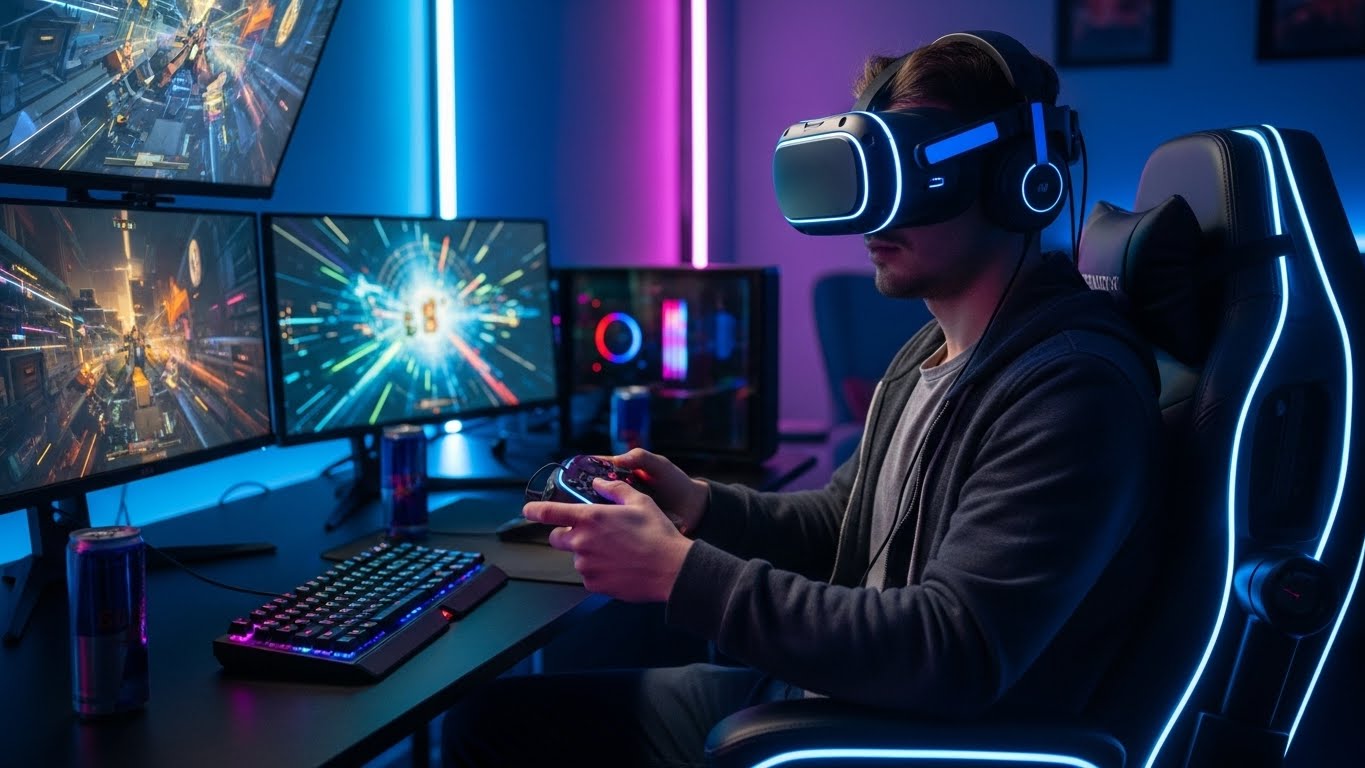
Consoles like the PlayStation, Xbox, and Nintendo Switch have evolved with powerful graphics and processing capabilities, while personal computers (PCs) have become the go-to platform for gamers seeking cutting-edge experiences. Virtual reality (VR) and augmented reality (AR) have further blurred the lines between the digital and physical worlds, allowing players to step directly into their favorite games. The level of immersion today is truly remarkable, with gaming experiences offering cinematic storytelling, open-world exploration, and even interactive narratives where the player’s choices impact the outcome.
Gaming as a Social Experience: Connecting the World
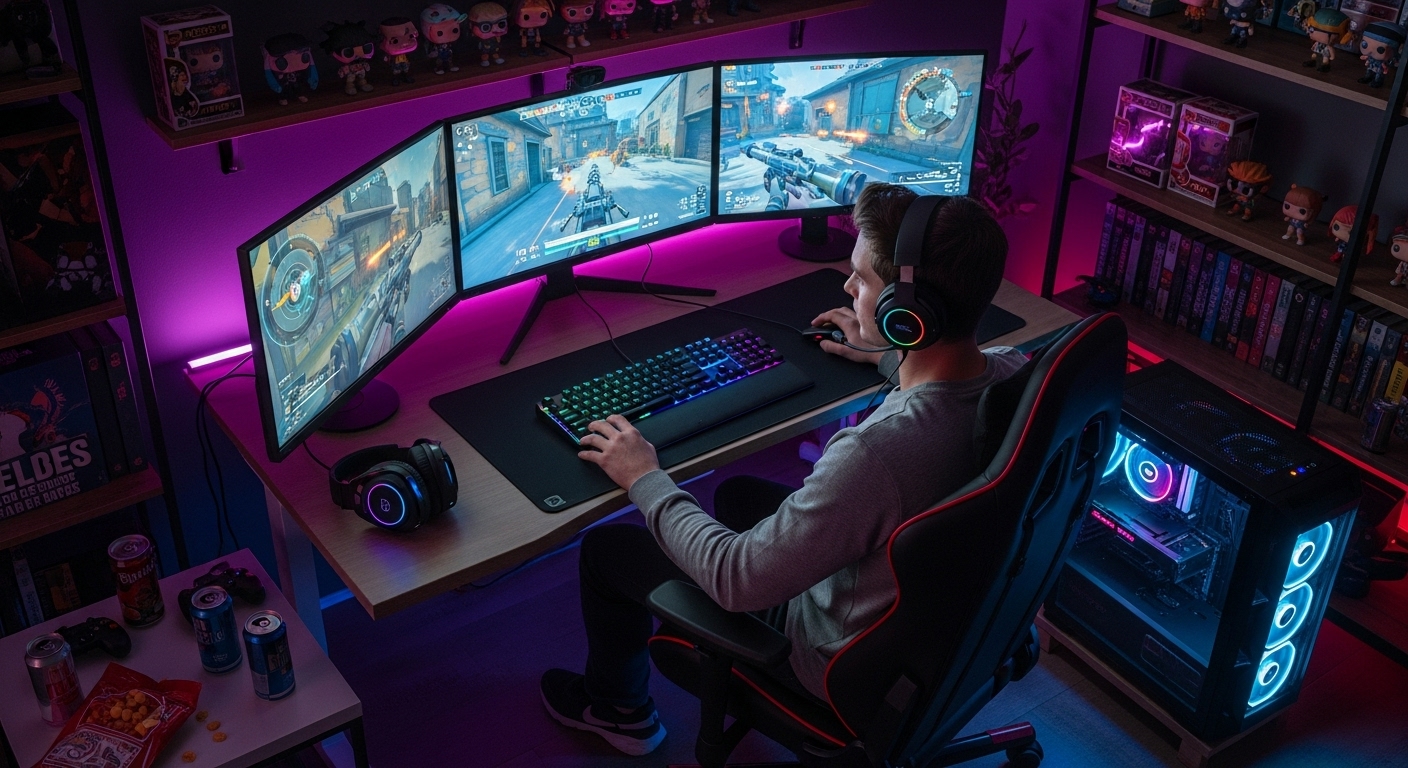
In the past, gaming was often seen as a solitary activity. However, the rise of online multiplayer games has transformed gaming into a highly social experience. Whether it’s teaming up with friends in a Battle Royale or competing against strangers in a First-Person Shooter (FPS), gaming has created communities that span continents. Games like Fortnite, League of Legends, and Call of Duty allow players to connect in real time, fostering friendships and rivalries that extend beyond the game itself.
This social aspect has grown even more prominent with the rise of streaming platforms like Twitch and YouTube. Gamers now have the ability to broadcast their gameplay to a global audience, attracting viewers who share their love for gaming. Esports tournaments, where professional players and teams compete in front of thousands of fans, have taken competitive gaming to new heights. What was once a pastime is now a legitimate career path for some, and a source of entertainment for millions around the world.
The Cognitive Benefits of Gaming: More Than Just Fun
While gaming is primarily seen as a source of entertainment, it also offers several cognitive benefits that contribute to mental development. Many modern games require players to think critically, solve complex puzzles, and make quick decisions under pressure. Strategy games like Civilization or Starcraft demand that players think several moves ahead, weighing risks and rewards in an ever-changing environment. These types of games can help sharpen problem-solving skills, enhance memory, and boost concentration.
Action games, such as Overwatch or Apex Legends, also improve reaction time and hand-eye coordination. Studies have shown that players who regularly engage in fast-paced action games tend to perform better in tasks that require visual attention and quick reflexes. Furthermore, games that feature role-playing elements or complex storylines can help improve empathy, as players are often required to make choices that reflect their values and beliefs, shaping the narrative based on their decisions.
Gaming and Its Educational Potential: Learning Through Play
Education and gaming are not mutually exclusive; in fact, they can complement each other in powerful ways. Educational games have become increasingly popular, helping students learn complex subjects in engaging and interactive ways. Games like Minecraft and SimCity have been used in classrooms to teach everything from basic math and geography to engineering and economics. These games allow players to experiment with real-world concepts in a virtual setting, making learning feel like an adventure rather than a chore.
Simultaneously, the growing trend of gamification in education has made traditional learning environments more engaging. By incorporating game mechanics like rewards, achievements, and challenges, educators are able to keep students motivated and excited about learning. This trend is particularly prominent in fields such as coding, where games like Lightbot and CodeCombat are helping students learn programming languages in a fun and accessible way.
The Future of Gaming: What’s Next?
The gaming industry shows no signs of slowing down. In fact, it’s only getting bigger, with new technologies pushing the boundaries of what’s possible in gaming. One of the most exciting developments is the continued progress in virtual reality (VR) and augmented reality (AR). While VR headsets have already introduced players to immersive environments, the next generation of VR gaming is expected to be even more interactive, with full-body tracking, haptic feedback, and better graphics.
Cloud gaming is another emerging trend that could change the way we play. With services like Google Stadia, NVIDIA GeForce Now, and Xbox Cloud Gaming, players can stream high-quality games directly to their devices without needing powerful hardware. This could make gaming more accessible to a wider audience, especially those who can’t afford expensive gaming consoles or PCs. Additionally, the integration of AI (artificial intelligence) will continue to evolve, allowing for more dynamic and responsive gameplay experiences.
Gaming as a Career: From Hobby to Profession
In recent years, gaming has become a viable career option for many individuals. The rise of esports has opened up opportunities for professional players, coaches, analysts, and content creators to build successful careers in gaming. Esports tournaments now offer multi-million-dollar prize pools, with top players making six-figure salaries. Beyond professional gaming, streaming platforms like Twitch and YouTube have turned many gamers into full-time influencers, with millions of fans following their content.
In addition to esports and content creation, gaming companies offer career opportunities in game development, design, marketing, and business management. The gaming industry is now one of the largest entertainment sectors in the world, and its growth has created thousands of job opportunities in various fields. For those passionate about gaming, it’s no longer just a hobby—it’s a potential career path.
Conclusion: Gaming’s Lasting Impact
Gaming is no longer just a pastime; it’s a culture, a community, and a powerful tool for personal growth. From enhancing cognitive abilities to fostering global connections, the impact of gaming on our lives is undeniable. As technology continues to advance, gaming will only become more immersive, more social, and more influential. Whether you’re a casual player or a professional esports athlete, the world of gaming offers endless possibilities for entertainment, education, and career development.
In this digital age, one thing is clear—gaming is here to stay, and it will continue to shape the way we connect, learn, and play for years to come.