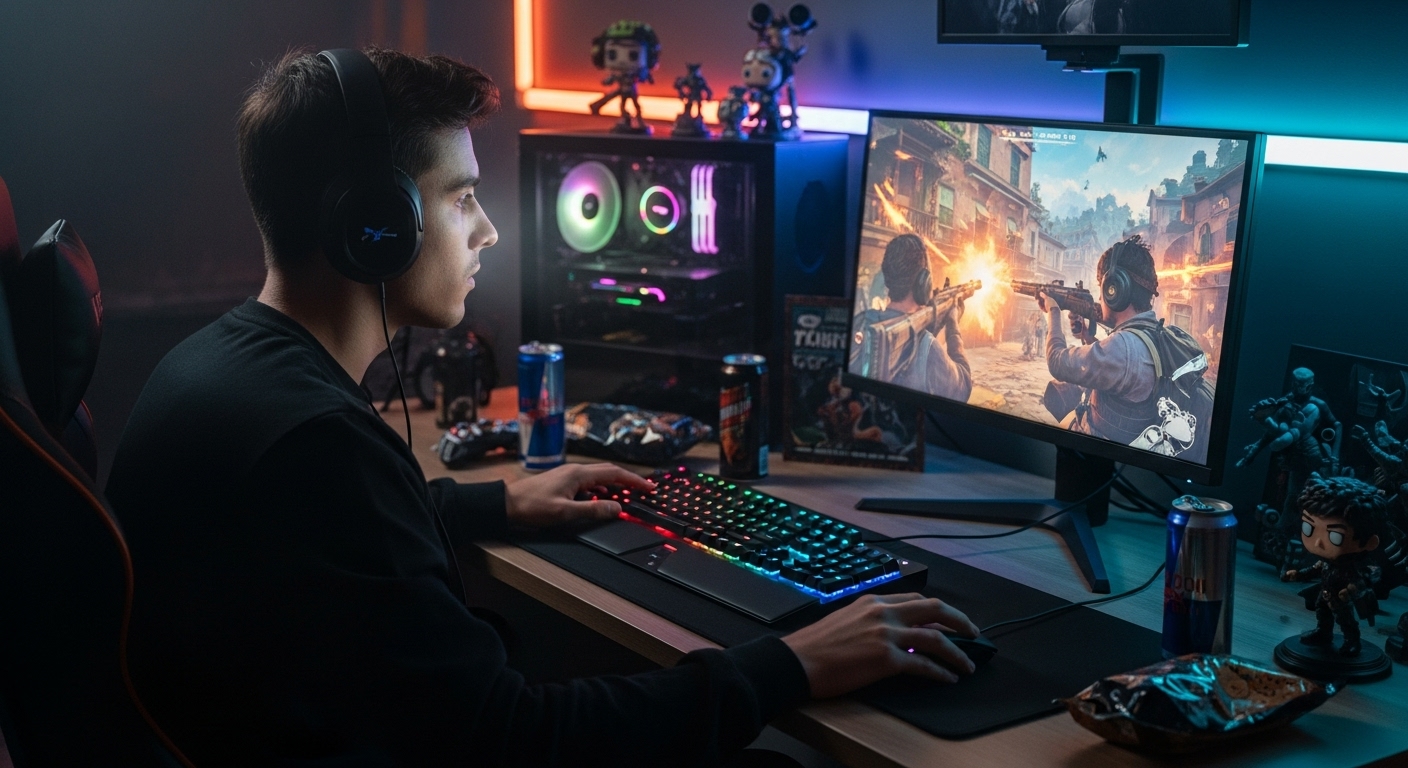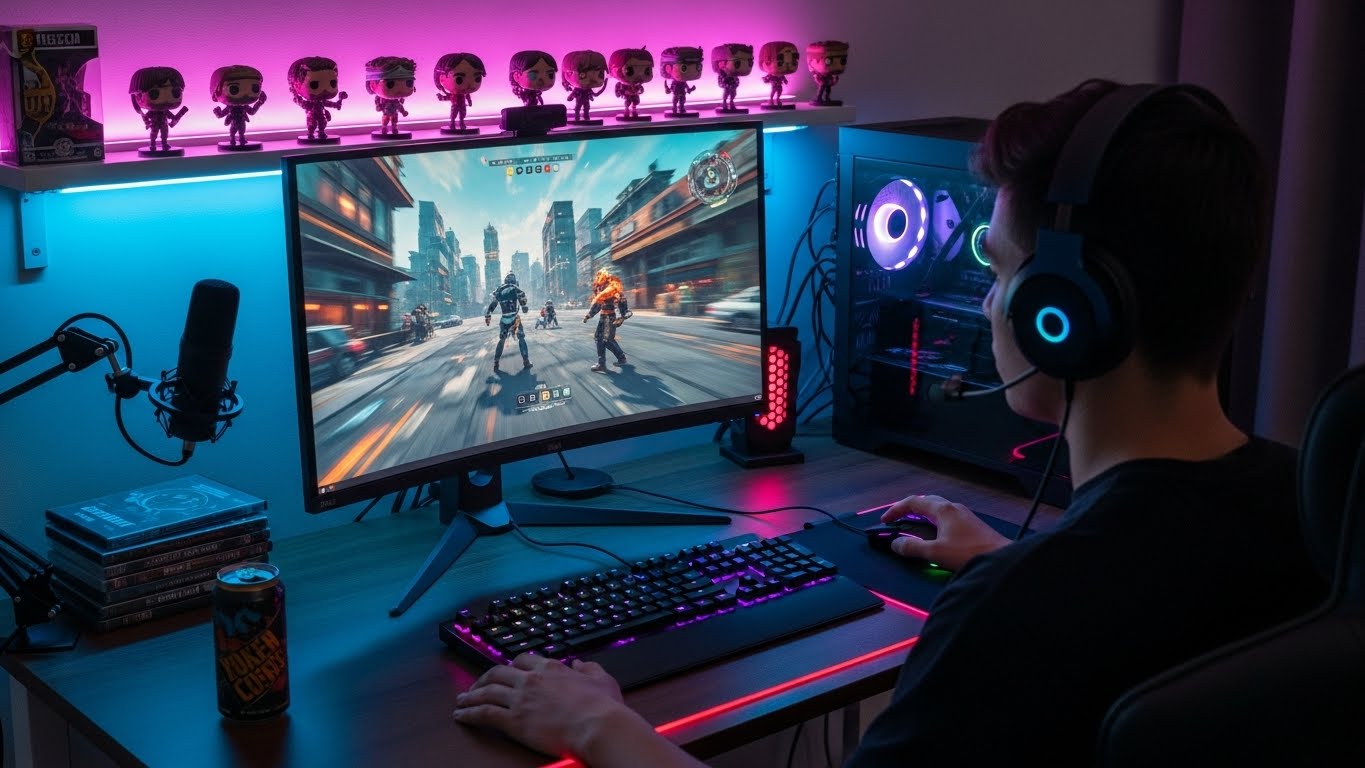
Gaming has evolved dramatically over the past few decades. What started as simple pixelated experiences has transformed into expansive virtual universes, offering players opportunities to explore, compete, and connect like never before. From the early days of arcade machines to modern virtual reality, gaming has become more than a hobby—it is a cultural phenomenon and a multi-billion-dollar industry shaping entertainment, social interaction, and even education.
A Brief History of Gaming
The journey of gaming began in the 1970s with arcade classics such as Pong and Space Invaders. These simple yet addictive games laid the foundation for the video game industry. Early consoles like the Atari 2600 brought gaming into homes, giving players unprecedented access to entertainment at their fingertips. The 1980s saw the rise of iconic franchises such as Super Mario Bros and The Legend of Zelda, which remain beloved even today. These games not only entertained but also introduced storytelling and complex game mechanics that would influence generations to come.
As technology advanced, so did gaming experiences. The 1990s brought 3D graphics and more sophisticated gameplay, with consoles like the Sony PlayStation and Nintendo 64 revolutionizing the way players interacted with games. Online gaming began to emerge in the late 1990s and early 2000s, allowing players to compete and collaborate over the internet, creating communities that transcended geographical boundaries.
The Impact of Graphics and Technology
One of the most noticeable changes in gaming over time is the improvement in graphics and technology. Modern games offer photorealistic visuals and lifelike animations, immersing players in worlds that feel almost tangible. Advanced physics engines allow for realistic movement, environmental interaction, and even weather systems, making every gameplay session unique.
Beyond visuals, gaming hardware has also made tremendous leaps. High-performance consoles, gaming PCs, and mobile devices now provide experiences that rival traditional forms of media. Virtual reality and augmented reality have opened entirely new dimensions, allowing players to step inside the game world, interact with objects, and experience scenarios in ways that were once impossible.
Gaming as a Social Experience
While gaming is often seen as a solitary activity, it has become a highly social experience. Multiplayer games and online platforms allow players to connect with friends and strangers worldwide. Competitive esports tournaments draw millions of viewers and foster communities centered around skill, teamwork, and strategy. Games like Fortnite, Call of Duty, and League of Legends have created global cultures where players share tips, achievements, and even live-stream their experiences to enthusiastic audiences.
Social interaction in gaming extends beyond competition. Many games encourage collaboration, problem-solving, and creativity. Sandbox games such as Minecraft and Roblox allow players to build entire worlds together, fostering teamwork and innovation. Online communities also provide spaces for discussion, fan art, and role-playing, creating a sense of belonging among participants.
The Rise of Mobile Gaming
Mobile gaming has transformed how people play, making games accessible anywhere and anytime. Smartphones and tablets have enabled casual gaming, appealing to players who may not own a console or PC. Popular mobile games like Candy Crush, Clash of Clans, and Pokémon Go have attracted millions of players, demonstrating that gaming is no longer limited to a specific demographic or platform.
Mobile games also offer innovative mechanics that take advantage of touchscreens, gyroscopes, and augmented reality features. These games often provide short, engaging experiences suitable for commuting, breaks, or leisure moments, making them an integral part of daily life for many people.
Gaming and Education
Gaming is not just for entertainment—it can also be a powerful educational tool. Many games incorporate problem-solving, critical thinking, and strategy development, which can enhance cognitive skills. Educational games target subjects like mathematics, language learning, and science, providing interactive and engaging ways for students to learn.
Beyond formal education, gaming encourages soft skills like collaboration, leadership, and adaptability. Multiplayer strategy games, for example, require teamwork and communication, while role-playing games often involve ethical decision-making and narrative analysis. As a result, gaming can complement traditional education and even help develop skills relevant to the modern workforce.
The Mental Health Aspect of Gaming
For a long time, gaming was criticized for being addictive or promoting antisocial behavior. While excessive gaming can indeed have negative consequences, research has also shown numerous mental health benefits. Gaming can improve memory, focus, and problem-solving abilities. Cooperative and social games can reduce feelings of isolation and foster a sense of community.
Additionally, gaming offers a form of stress relief and escapism. Immersing oneself in a game world can provide a temporary break from real-life pressures and challenges. Therapeutic applications of gaming are also being explored, with certain games designed to aid in rehabilitation, anxiety reduction, and cognitive therapy.
Esports: Gaming as a Career
Esports has transformed gaming from a pastime into a legitimate career. Professional gamers compete in tournaments with substantial prize pools, sometimes exceeding millions of dollars. Esports athletes train rigorously, focusing on strategy, reflexes, and teamwork, much like traditional sports players. Streaming platforms allow players to broadcast their gameplay, building personal brands and attracting sponsorship deals.
The rise of esports has also influenced game design and marketing. Developers now create games with competitive balance and spectator appeal in mind. This professionalization of gaming has increased its visibility and respect in mainstream culture, attracting fans who might never have considered gaming a serious pursuit.
The Future of Gaming
The future of gaming promises even more innovation and immersion. Cloud gaming is removing hardware limitations, allowing players to stream high-quality games on any device. Artificial intelligence is being used to create smarter NPCs and adaptive storylines that respond to player choices, making experiences more personalized. Virtual reality and augmented reality will continue to expand, offering fully interactive and sensory-rich worlds.
Furthermore, gaming is expected to integrate more seamlessly with social media, education, and even work. Cross-platform play, improved accessibility options, and more inclusive content will make gaming a universal medium for communication, entertainment, and personal growth.
The Cultural Significance of Gaming
Gaming is more than a technological marvel—it is a cultural force. Games reflect societal trends, artistic expression, and narrative innovation. They address complex themes, challenge perceptions, and create shared experiences across diverse populations. From indie titles that push artistic boundaries to blockbuster franchises that define popular culture, gaming has earned its place as a major contributor to the creative world.
Gaming also fosters intergenerational connection. Parents and children, friends, and strangers can all bond through shared experiences in virtual worlds. Gaming conventions, tournaments, and online communities provide spaces for celebration, discussion, and collaboration, creating a culture that is inclusive, dynamic, and evolving.
Conclusion: Gaming as a Way of Life
Gaming has come a long way from its humble beginnings as a pastime confined to arcades and living rooms. Today, it is an intricate ecosystem that encompasses technology, art, storytelling, social interaction, and professional opportunity. Whether through immersive virtual worlds, competitive esports, or mobile adventures on the go, gaming continues to captivate and inspire millions worldwide.
As the industry evolves, the line between reality and virtual experience blurs, offering players unprecedented levels of creativity, connection, and engagement. Gaming is no longer just a hobby—it is a way of life, shaping how we play, learn, socialize, and even think. For enthusiasts and newcomers alike, the journey into gaming promises endless exploration, excitement, and discovery.