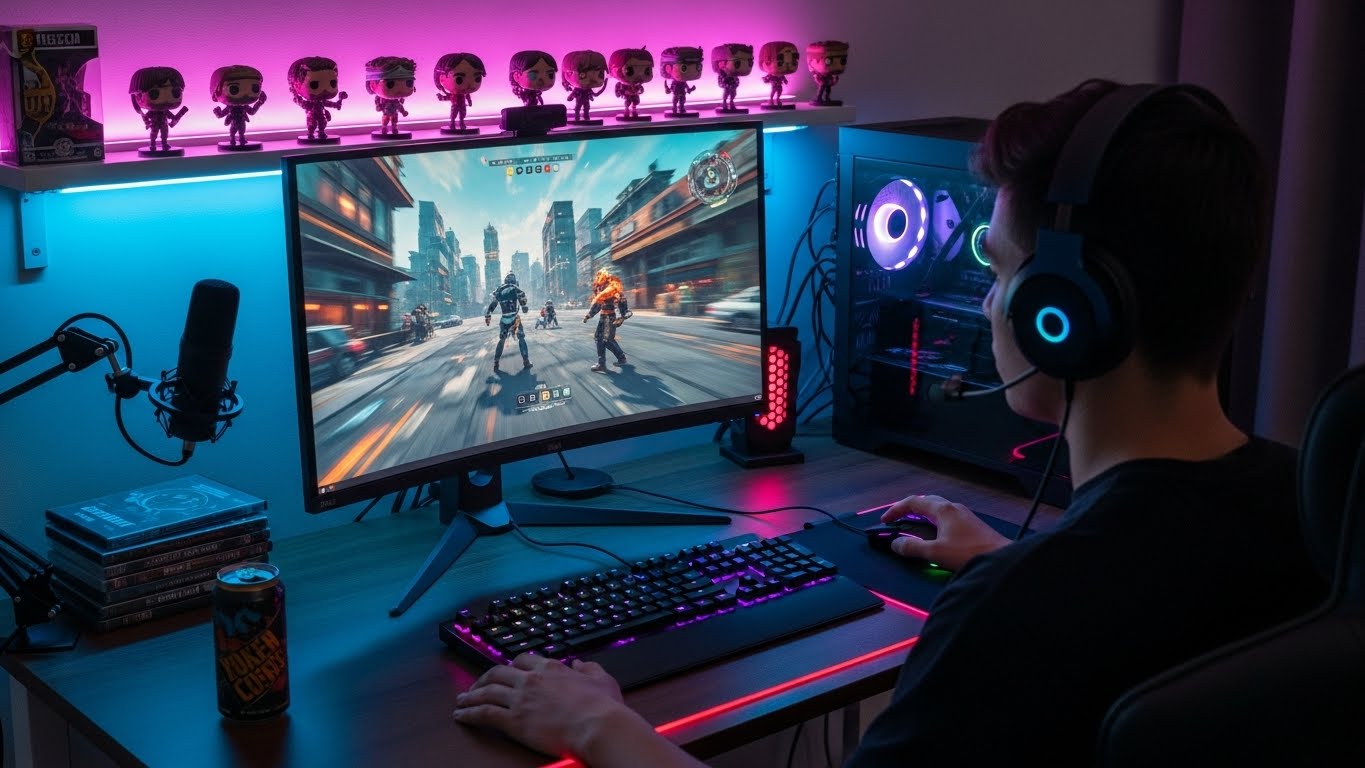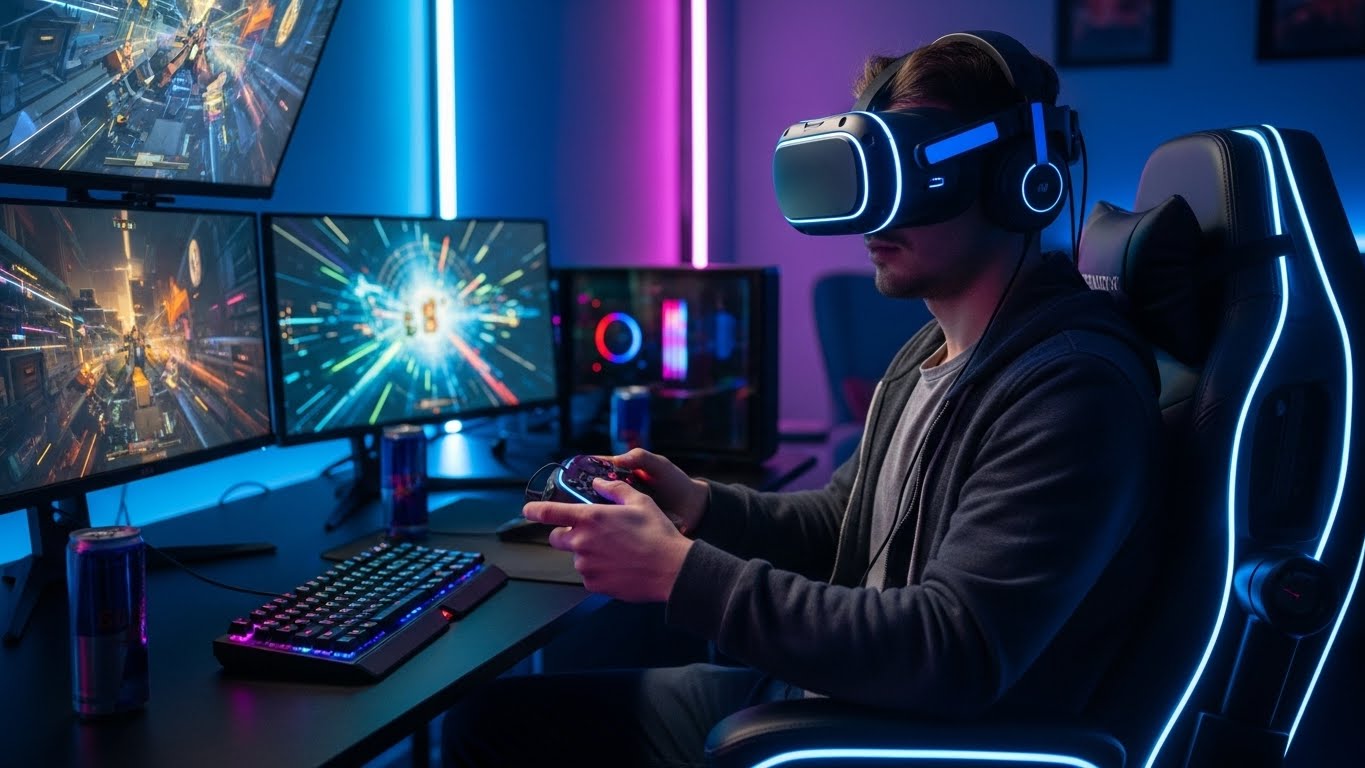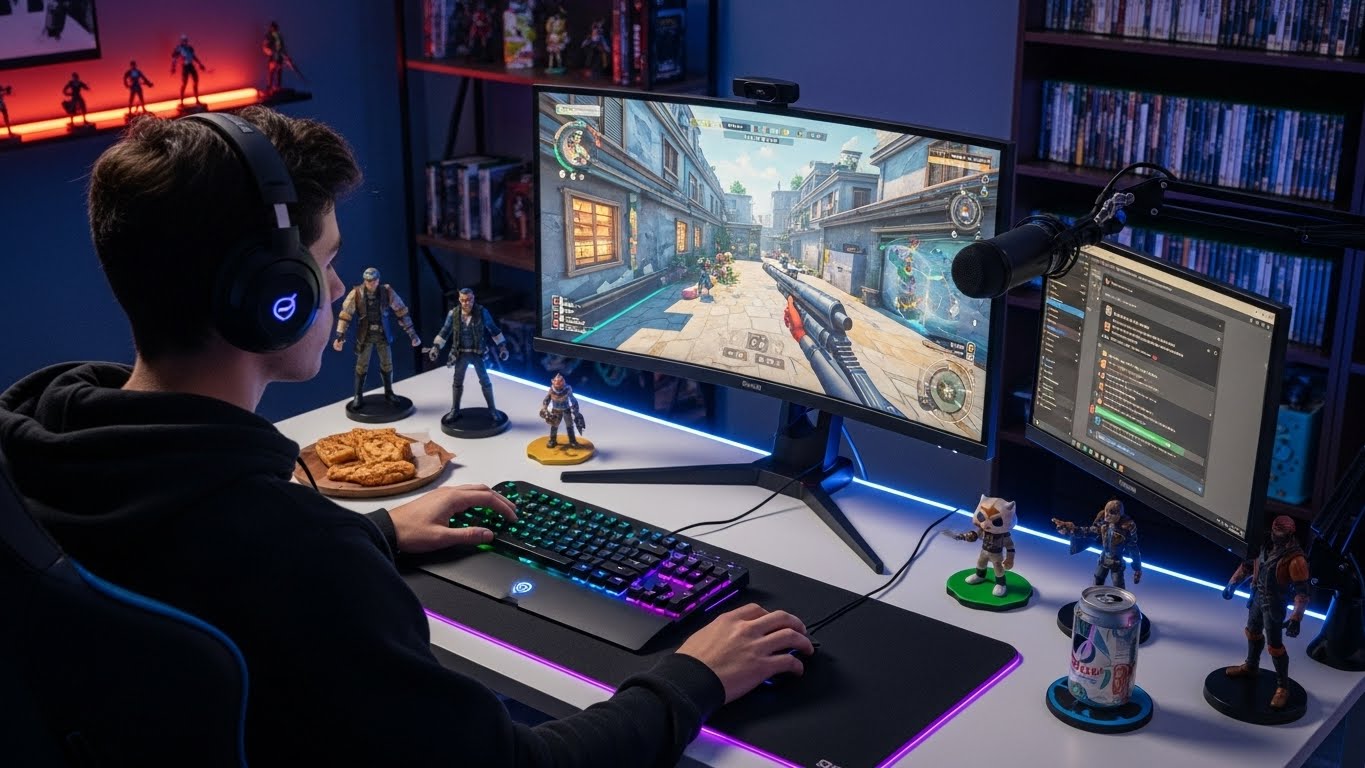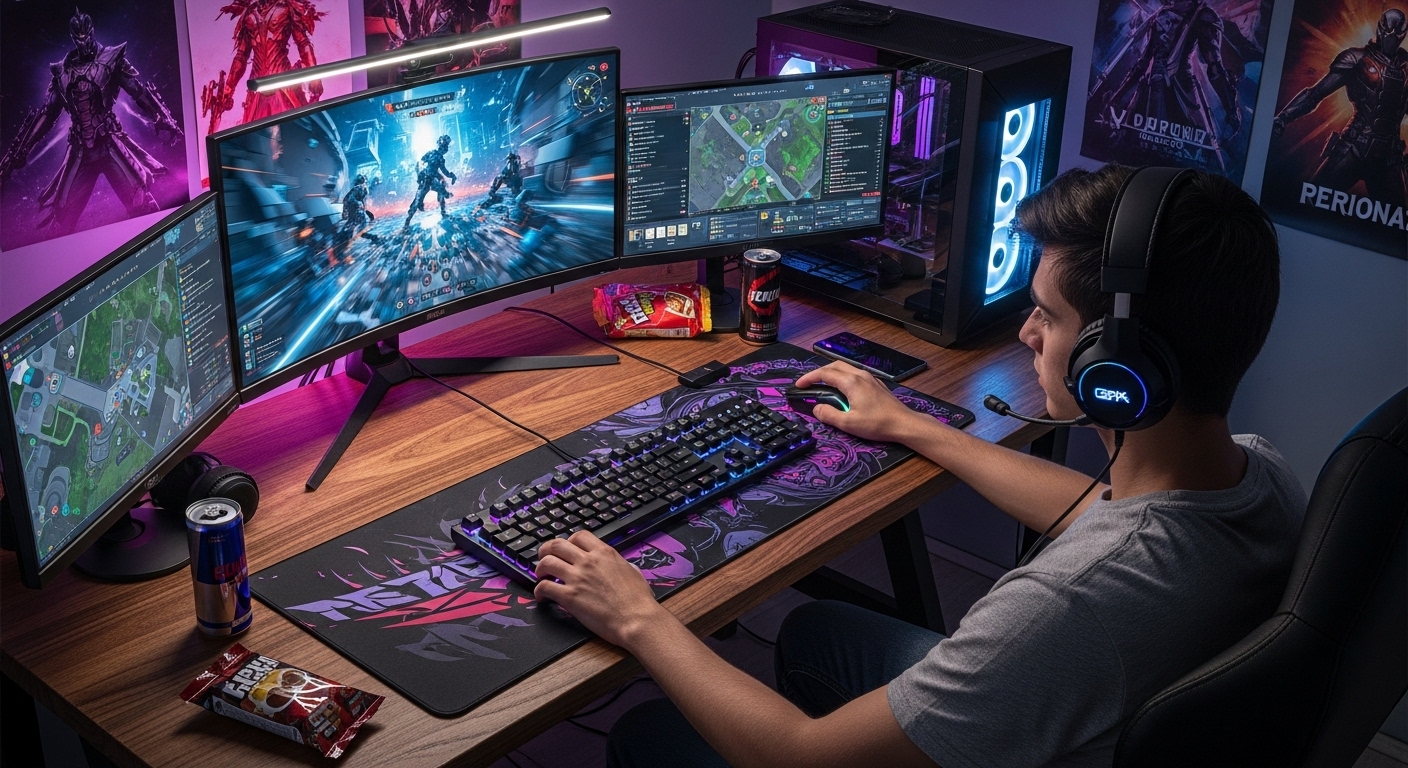
Gaming has evolved from a niche hobby into a global cultural phenomenon. Today, it’s not just about playing video games; it’s about immersive experiences, social connections, and exploring new worlds. With the rapid advancements in technology, gaming is shaping industries, influencing culture, and even impacting our mental and physical well-being. In this blog, we’ll dive into how gaming has transformed over the years, its effects on society, and where it’s headed in the future.
The Evolution of Gaming: From Pixels to Realism
Gaming’s journey began in the early ‘70s and ‘80s with simple, pixelated games like “Pong” and “Space Invaders.” These games, though basic by today’s standards, were revolutionary at the time, drawing players into their worlds with accessible gameplay and competitive fun. However, it wasn’t long before gaming took a major leap forward with the advent of home consoles.
The release of the Nintendo Entertainment System (NES) in the 1980s and the Sega Genesis in the early ‘90s brought a new era of gaming into living rooms. These systems offered more complex and engaging games, with titles like “Super Mario Bros.” and “Sonic the Hedgehog” helping to solidify gaming as a mainstream pastime. The evolution continued through the decades, with the introduction of the Sony PlayStation, Microsoft Xbox, and newer systems like the Nintendo Switch.
As technology advanced, so did the graphics, gameplay mechanics, and storytelling in games. What once was limited to 8-bit characters and simple mechanics evolved into complex, detailed, and visually stunning worlds. Today’s games feature lifelike graphics and deep narratives, offering players rich experiences that mirror real life or take them on fantastic journeys beyond imagination.
The Rise of Online and Competitive Gaming
One of the most transformative aspects of gaming in the 21st century has been the rise of online multiplayer experiences. The introduction of broadband internet and the proliferation of online gaming networks revolutionized how players interacted with one another. In the early 2000s, games like “World of Warcraft” and “Halo 2” allowed players to connect across the globe, compete, and collaborate in ways that had never been possible before.
This shift from local, single-player games to massive multiplayer online games (MMOs) and competitive shooters opened up new social dynamics. Players could now form alliances, communicate through voice chat, and build friendships with people they’d never meet in real life. Online communities grew, and gaming became a global, shared experience. Titles like “Fortnite,” “League of Legends,” and “Apex Legends” have since captured millions of players worldwide, sparking a new era of competitive gaming.
Esports, the professional scene of competitive gaming, has exploded into a multi-billion-dollar industry. Tournaments attract millions of viewers, rivaling traditional sports in terms of both audience and prize money. Professional gamers now enjoy sponsorships, global recognition, and careers that were once unimaginable.
Virtual and Augmented Reality: Gaming Beyond the Screen
As technology continues to evolve, so too does the way we experience games. Virtual reality (VR) and augmented reality (AR) are two cutting-edge technologies that have begun to redefine what gaming can be. VR takes players into fully immersive environments, using headsets and motion controllers to make them feel as though they are physically inside the game world. Games like “Beat Saber” and “Half-Life: Alyx” allow players to experience action in an entirely new way, where they can swing lightsabers, explore alien planets, or fight off zombies as though they were right there.
On the other hand, AR enhances the real world by overlaying digital elements onto it. The phenomenon of “Pokémon GO” exemplified AR’s potential, allowing players to explore their neighborhoods while capturing virtual creatures in real-world environments. This hybrid experience has opened up new possibilities for interactive gaming that blends the physical and virtual worlds in ways that were previously impossible.
Both VR and AR are still in their early stages, but as the technology becomes more affordable and accessible, the potential for these immersive experiences in gaming will only grow. In the future, we may see fully interactive, real-time virtual worlds, where players can live out entire adventures without ever leaving their homes.
Gaming as a Cultural Force
Gaming has become more than just an entertainment medium—it’s now a major cultural force. With the success of franchises like “The Legend of Zelda,” “Call of Duty,” and “The Elder Scrolls,” gaming has become a form of storytelling that rivals books and movies. Modern games incorporate rich narratives, complex characters, and emotional storylines that engage players on a deep, personal level.
Furthermore, gaming has become an influential part of global pop culture. Characters like Mario, Master Chief, and Lara Croft are household names, and gaming conventions such as E3 and PAX draw massive crowds each year. Fans cosplay as their favorite characters, create fan art, and even compose original music inspired by their favorite games. In this sense, gaming has become a subculture that fosters creativity, collaboration, and community.
Gaming also intersects with other entertainment industries, including film and television. With the success of adaptations like “The Witcher” series on Netflix and the upcoming “The Last of Us” show, gaming stories are now making their way to the small and big screen. This crossover between media formats is helping to elevate gaming as an art form and broadening its appeal beyond traditional gamers.
The Impact of Gaming on Mental Health: A Double-Edged Sword
Gaming has been linked to various psychological benefits, but it also raises concerns about its potential negative effects. On the positive side, gaming has been shown to improve cognitive functions such as problem-solving, multitasking, and strategic thinking. Many puzzle games, RPGs, and simulations require players to think critically and plan ahead, which can enhance brain function. Video games can also help develop hand-eye coordination and motor skills, particularly in action or sports-based games.
Furthermore, gaming can provide an emotional escape and serve as a form of stress relief for many people. It offers players a chance to immerse themselves in a different world, relieving anxiety or tension after a long day. Online multiplayer games foster social connections and create communities where players can bond over shared experiences.
However, excessive gaming can lead to problems such as addiction, isolation, and negative impacts on physical health. The World Health Organization has officially recognized “gaming disorder” as a condition, characterized by a pattern of gaming behavior that interferes with personal, social, or professional functioning. Additionally, the sedentary nature of gaming can contribute to issues like poor posture, eye strain, and weight gain.
The key to maintaining a healthy relationship with gaming lies in balance. When played in moderation, gaming can be a positive and enriching experience, but like anything else, overindulgence can have detrimental effects. It’s essential for gamers to be aware of their habits and take breaks to ensure they maintain a balanced lifestyle.
The Future of Gaming: Endless Possibilities
As gaming technology continues to advance, the possibilities for the future are boundless. The next wave of gaming will likely see further integration of AI, cloud gaming, and personalized experiences. AI-driven narratives could lead to games that adapt and evolve based on player choices, offering a new layer of interactivity and immersion. Cloud gaming platforms, such as Google Stadia and Xbox Cloud Gaming, are already pushing the boundaries of what’s possible, enabling players to stream games from anywhere without the need for expensive hardware.
Furthermore, with the continued rise of virtual and augmented reality, gaming could become even more immersive. Players may soon find themselves fully immersed in digital worlds, interacting with characters and environments in real-time. Haptic feedback technology, which allows players to “feel” the game environment through vibrations or other sensory inputs, could further enhance the sense of presence in VR and AR games.
Additionally, the integration of social and collaborative elements into games will continue to grow. We’re already seeing games that bring people together for shared experiences, and in the future, we could see more games that combine aspects of social media, live streaming, and gaming to create entirely new forms of interactive entertainment.
Conclusion: Gaming’s Lasting Legacy
Gaming is no longer a niche hobby—it’s a global industry that influences technology, culture, and social interaction. The evolution of gaming, from pixelated arcade games to immersive VR experiences, has been nothing short of remarkable. Today, gaming is a powerful force that shapes the entertainment landscape, brings people together, and offers new forms of creative expression.
As technology continues to advance, the future of gaming is bound to bring even more exciting developments. Whether it’s through new gaming platforms, immersive experiences, or deeper narrative-driven worlds, the possibilities are endless. One thing is certain: gaming will continue to be an integral part of our lives, offering joy, connection, and experiences that transcend the boundaries of traditional entertainment.