Introduction
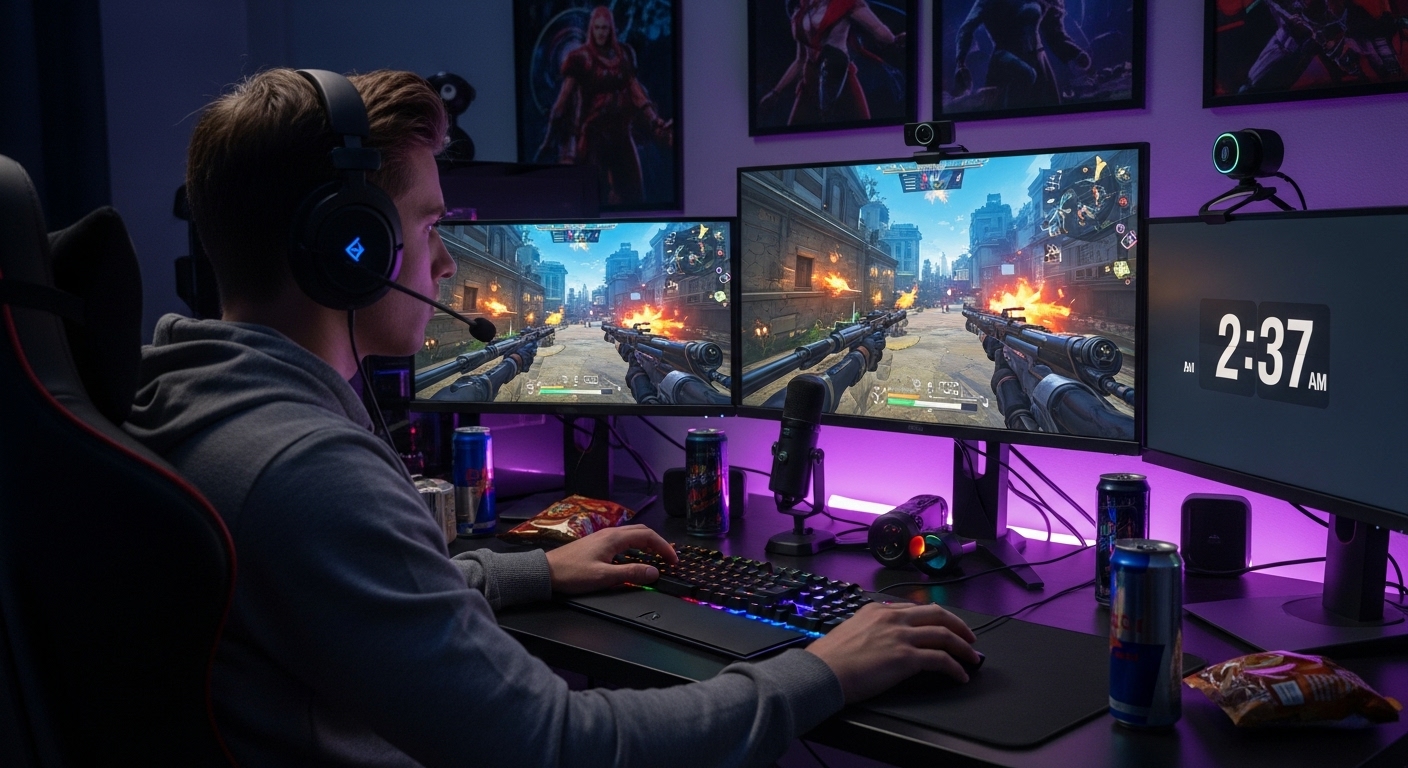
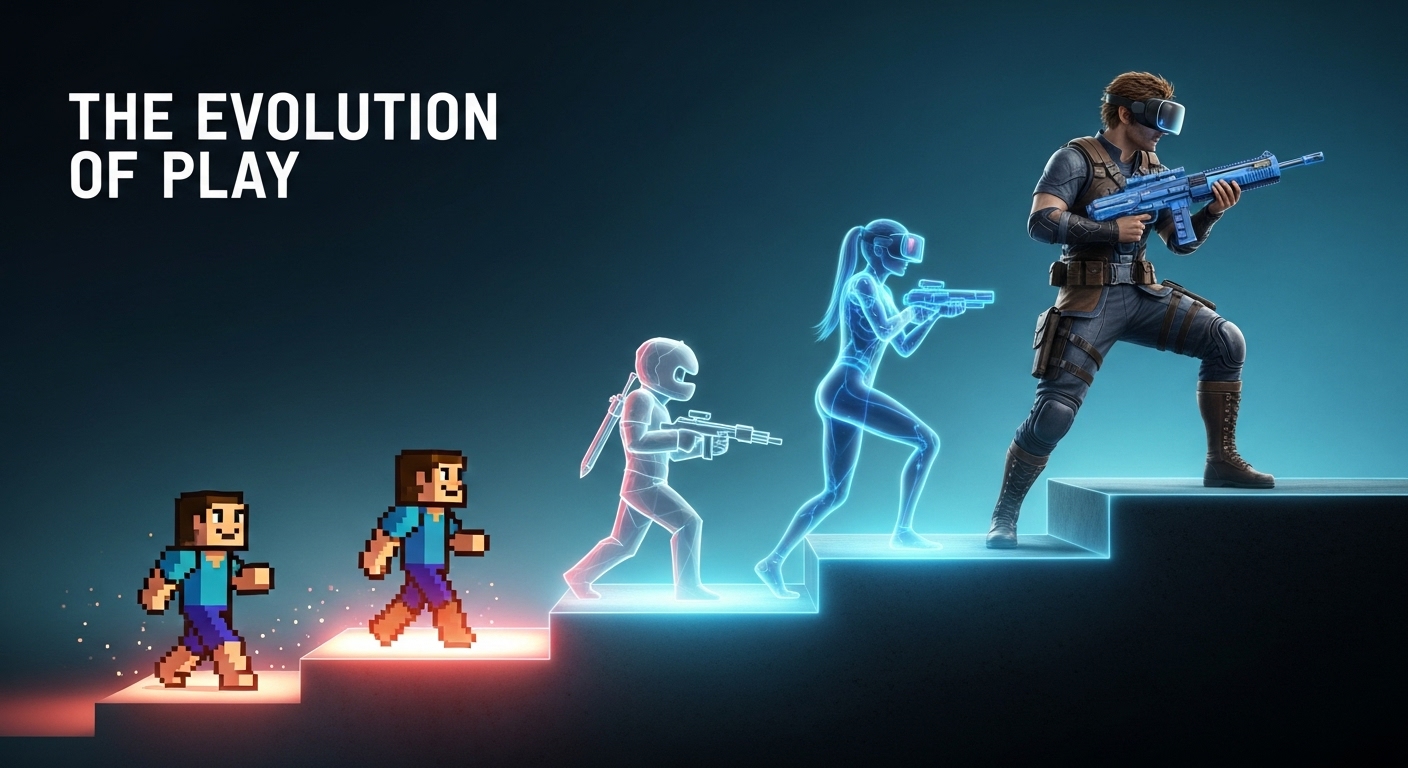
Gaming has become one of the most influential cultural and technological phenomena of the 21st century. What once began as a simple form of entertainment limited to pixelated screens and minimal interactivity has evolved into a vast digital universe filled with immersive worlds, complex narratives, and communities that span across the globe. Gaming is no longer just a pastime; it is an art form, an industry, and a social experience that continues to redefine how people interact, compete, and even learn.
This blog explores the fascinating journey of gaming—from its humble beginnings in the arcades to the sprawling virtual landscapes of today’s high-end consoles and PCs. It delves into the technological innovations, cultural influences, psychological effects, and future possibilities that make gaming one of the most dynamic forms of human creativity.
The Early Days: A New Kind of Entertainment
The origins of gaming can be traced back to the late 20th century when computers and arcade machines first introduced interactive entertainment to the public. Games like Pong, Space Invaders, and Pac-Man captured the imagination of millions. These games were simple in design, often featuring basic graphics and straightforward objectives, yet they were revolutionary for their time.
In those early years, gaming was primarily a solitary activity or a competitive pastime played in arcades. People lined up to challenge high scores, and the concept of gaming as a communal event started to take shape. Despite the technical limitations of early hardware, these games laid the foundation for everything that followed. They demonstrated that digital technology could not only perform calculations but also entertain, challenge, and engage the human mind in entirely new ways.
The Rise of Consoles: Bringing the Arcade Home
The introduction of gaming consoles in the late 1970s and early 1980s marked a significant turning point. With systems like the Atari 2600 and the Nintendo Entertainment System, gaming transitioned from arcades into living rooms. Suddenly, families could play together at home, transforming gaming into a shared domestic experience.
The 8-bit and 16-bit eras saw the rise of iconic franchises that remain relevant today. Titles like Super Mario Bros., The Legend of Zelda, and Sonic the Hedgehog became cultural landmarks, influencing not just game design but music, fashion, and television. Gaming began to develop its own identity, separate from other forms of media, and its audience started to diversify.
During this era, the concept of storytelling in games also began to evolve. While early games focused mainly on mechanics, later titles started to introduce characters, worlds, and narratives that allowed players to connect emotionally. This was the first hint that gaming could be more than mere amusement—it could be an expressive art form capable of telling stories in ways no other medium could.
The PC Revolution and the Birth of Online Play
The advent of personal computers in the 1990s opened another chapter in gaming history. PCs offered more powerful hardware, flexible development environments, and eventually, connectivity to the internet. This combination gave rise to new genres and experiences that were impossible on consoles at the time.
Strategy games like Age of Empires and Civilization invited players to think critically and manage complex systems. Meanwhile, first-person shooters such as Doom and Quake introduced fast-paced, adrenaline-fueled gameplay that became a defining aspect of gaming culture.
Perhaps the most transformative development, however, was the rise of online multiplayer gaming. For the first time, players could connect with others across vast distances. Early online communities formed around games, and competition took on a global scale. Titles like Counter-Strike and StarCraft built loyal followings and helped create the foundation for modern esports.
The PC platform also encouraged modding—allowing players to alter or expand games on their own. This spirit of creativity and customization nurtured some of the most innovative ideas in gaming, proving that players themselves could contribute to the evolution of the medium.
The 3D Revolution and the Era of Immersion
By the late 1990s and early 2000s, the shift to 3D graphics transformed gaming once again. Titles like Final Fantasy VII, The Legend of Zelda: Ocarina of Time, and Metal Gear Solid pushed the boundaries of storytelling, cinematic presentation, and emotional depth. These games were no longer just challenges to overcome—they were experiences to be lived.
Advancements in technology allowed for more realistic environments, smoother animations, and complex physics systems. Developers began focusing on immersion, striving to create worlds that felt alive and believable. Players could explore vast open spaces, interact with diverse characters, and experience dynamic weather, lighting, and sound effects that enhanced realism.
This period also saw the birth of powerful gaming consoles like the PlayStation 2, Xbox, and GameCube. These platforms made 3D gaming accessible to millions and expanded the industry’s global reach. The line between games and films started to blur as storytelling, voice acting, and cinematic direction became central to game design.
The Rise of Online Communities and Esports
As internet connectivity improved, online gaming became mainstream. Multiplayer games evolved from small-scale matches to massive online universes. The launch of World of Warcraft in 2004 demonstrated the incredible potential of online worlds. Millions of players inhabited a shared digital space, forming guilds, completing quests, and building friendships that extended beyond the screen.
At the same time, competitive gaming—or esports—emerged as a global phenomenon. Games like League of Legends, Dota 2, and Counter-Strike: Global Offensive turned virtual competition into professional sport. Tournaments filled arenas, sponsors invested millions, and skilled players achieved celebrity status.
Esports also reshaped how games were designed and consumed. Spectatorship became an integral part of gaming culture, with streaming platforms enabling anyone to watch professional or amateur players from anywhere in the world. This social aspect reinforced the sense that gaming was not just an individual hobby but a global community connected through shared passion and skill.
The Art of Storytelling in Games
While technology continued to evolve, developers began to explore the emotional and artistic potential of games. Titles such as The Last of Us, Journey, and Red Dead Redemption 2 proved that games could tell stories as profound and moving as those found in literature or cinema.
Interactive storytelling allowed players to become active participants rather than passive observers. Every decision, dialogue choice, and action could influence the outcome, creating a sense of agency unique to gaming. Players didn’t just watch a hero’s journey—they lived it.
Games also began to tackle complex themes such as morality, loss, identity, and mental health. Indie developers, in particular, embraced experimentation, creating personal, thought-provoking experiences like Undertale, Celeste, and Hollow Knight. These titles reminded the world that gaming could be a mirror to human emotion, capable of empathy and reflection as much as excitement and challenge.
The Cultural Impact of Gaming
Gaming has transcended entertainment to become a major cultural force. It influences fashion, music, language, and even education. Iconic characters like Mario, Master Chief, and Lara Croft are recognized around the world. Gaming soundtracks are performed by orchestras, and game-inspired art exhibitions appear in museums.
Moreover, gaming has become a tool for social connection. In an era where digital communication dominates, games serve as virtual meeting places where friends and families gather, collaborate, and share experiences. During global crises, online gaming communities provided comfort and companionship when physical gatherings were impossible.
Gaming also plays an educational role. Simulation and strategy games are used in schools to teach problem-solving, creativity, and teamwork. Game design itself has become a respected academic discipline, blending art, programming, and psychology.
The global gaming industry has also become one of the largest entertainment sectors in the world, surpassing film and music in revenue. This growth reflects not just financial success but also cultural relevance. Gaming is now a universal language that bridges borders and generations.
The Psychology of Gaming: Why We Play
At its core, gaming fulfills fundamental human desires. The drive to play, compete, and explore is embedded in our nature. Games provide a safe space to test limits, make mistakes, and experience reward.
Psychologically, gaming satisfies several intrinsic needs: achievement, autonomy, and social connection. Completing a level or quest provides a sense of accomplishment. Choosing how to play fosters independence. Interacting with others builds community and belonging.
However, like any powerful form of entertainment, gaming can have downsides. Excessive play can lead to issues such as addiction or social withdrawal. Yet research increasingly suggests that, when balanced, gaming can enhance cognitive skills, improve reaction time, and even reduce stress.
Modern game design often draws on psychology to create engaging experiences. Developers use feedback loops, progression systems, and rewards to keep players motivated. When used responsibly, these mechanics make gaming not just enjoyable but deeply satisfying.
The Role of Technology: Powering New Worlds
The evolution of gaming is inseparable from advances in technology. Graphics processors, physics engines, and artificial intelligence have made virtual worlds more detailed and responsive than ever before.
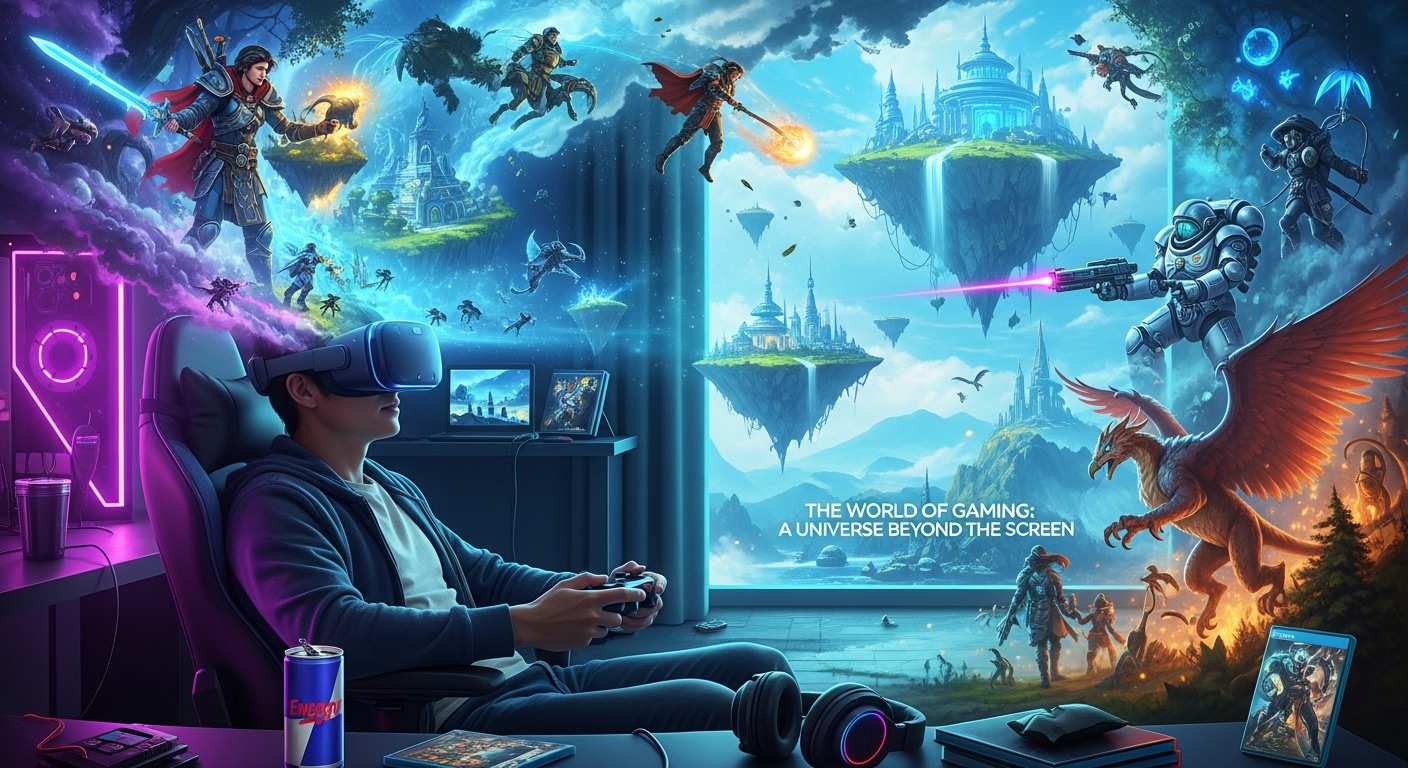
Virtual reality (VR) and augmented reality (AR) have opened entirely new frontiers. With VR headsets, players can step inside the game, turning fantasy into lived experience. AR, on the other hand, blends digital elements with the real world, creating hybrid experiences that redefine how we perceive play.
Cloud gaming represents another leap forward. It allows players to stream games directly from remote servers, eliminating the need for expensive hardware. This innovation has the potential to make high-quality gaming more accessible than ever, breaking down barriers of cost and geography.
Meanwhile, advances in artificial intelligence are reshaping game design. AI-driven characters can react intelligently, adapt to player behavior, and create dynamic storytelling that changes with every playthrough. The possibilities are endless, and we are only scratching the surface of what interactive technology can achieve.
The Rise of Mobile Gaming
One of the most dramatic changes in gaming’s landscape is the rise of mobile gaming. Smartphones turned nearly everyone into a gamer, whether they realized it or not. Simple yet addictive titles like Angry Birds, Candy Crush, and Clash of Clans proved that gaming could fit into daily life.
Mobile gaming also democratized the industry. Developers from around the world could create and distribute games without massive budgets or studios. This accessibility encouraged creativity and diversity in game design, allowing new voices and ideas to flourish.
Moreover, mobile gaming bridged the gap between casual and hardcore players. It introduced millions to gaming for the first time and helped build an audience that now spans every age, gender, and background. Today, mobile gaming accounts for a significant portion of global gaming revenue, underscoring its enormous influence.
Gaming as a Social Platform
Modern games are more than just entertainment—they are social ecosystems. Platforms like Fortnite, Minecraft, and Roblox have become digital playgrounds where people interact, create, and express themselves.
Players no longer simply play through levels; they host concerts, build cities, and form friendships. The boundaries between game and social media have blurred, turning gaming into a new kind of social network. These platforms give players tools to create and share content, fostering communities that are as active and creative as those found in any traditional art form.
The idea of the “metaverse” builds on this trend, envisioning interconnected digital spaces where people can work, play, and live virtually. Whether or not the metaverse becomes fully realized, the underlying concept is already shaping the way we think about digital interaction.
Challenges and Controversies
Despite its many achievements, gaming faces challenges. Issues such as toxic behavior, representation, data privacy, and monetization practices continue to spark debate. The rise of microtransactions and loot boxes has raised questions about fairness and ethics, particularly when aimed at younger audiences.
Representation in gaming has also become an important topic. Developers are increasingly recognizing the need for diversity in characters, stories, and creators. The push for inclusion ensures that gaming reflects the wide variety of people who play it.
Additionally, concerns about screen time, mental health, and the impact of violent content persist. While most research finds that games do not directly cause aggression, the industry continues to explore ways to promote positive play and digital well-being.
These challenges are part of gaming’s growing pains as it matures into a complex, multifaceted medium. Addressing them responsibly will ensure that gaming remains a force for creativity, connection, and joy.
The Future of Gaming
The future of gaming promises to be more immersive, inclusive, and interactive than ever before. As technologies like VR, AR, AI, and quantum computing evolve, the boundaries of what games can achieve will continue to expand.
We can expect games to become even more lifelike, with environments that react in real-time and characters that think independently. Cross-platform play will unify players regardless of device, and cloud gaming will make high-quality experiences available to anyone with an internet connection.
Artificial intelligence may enable games that tell unique stories tailored to each player. Procedural generation will create endless worlds, ensuring that no two experiences are ever the same.
Beyond technology, gaming’s role in society will deepen. It will continue to shape culture, education, and even politics. Games may be used to simulate real-world scenarios, teach empathy, or encourage civic engagement. In the coming decades, gaming could become one of the most powerful tools for communication and creativity in human history.
Conclusion
From the beeps and blips of the arcade era to the breathtaking realism of today’s virtual worlds, gaming has come a long way. It has grown from a niche hobby into a cultural and technological powerhouse that touches nearly every aspect of modern life.
Gaming is more than entertainment—it is a form of art, a platform for expression, and a bridge between people and ideas. It reflects who we are and how we imagine the world could be. As technology continues to evolve, so too will the possibilities of gaming, offering new ways to connect, learn, and dream.
The story of gaming is far from over. In many ways, it’s just beginning. Each new generation of players, developers, and dreamers will continue to shape the future of this incredible medium. And as long as people continue to seek adventure, challenge, and connection, gaming will remain at the heart of human creativity.