Introduction to Gaming
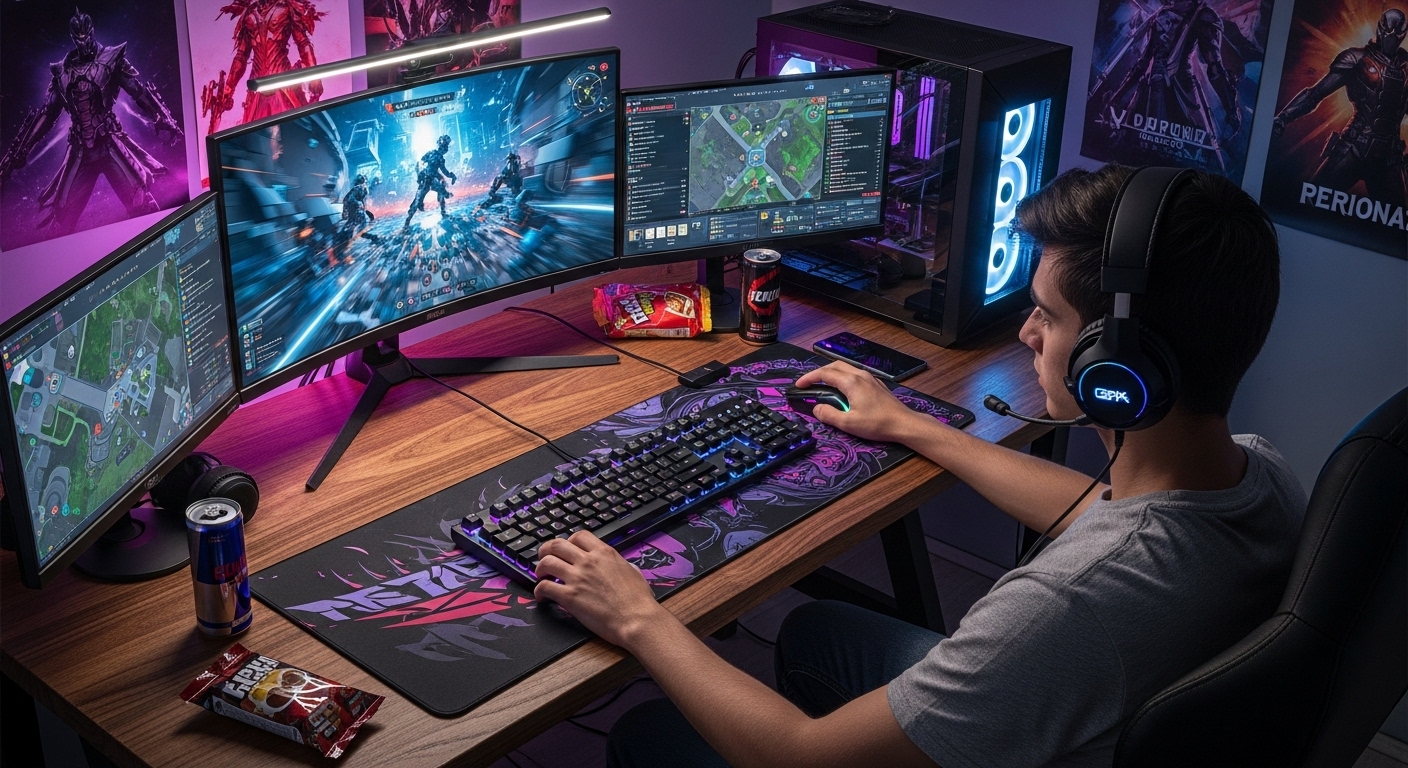
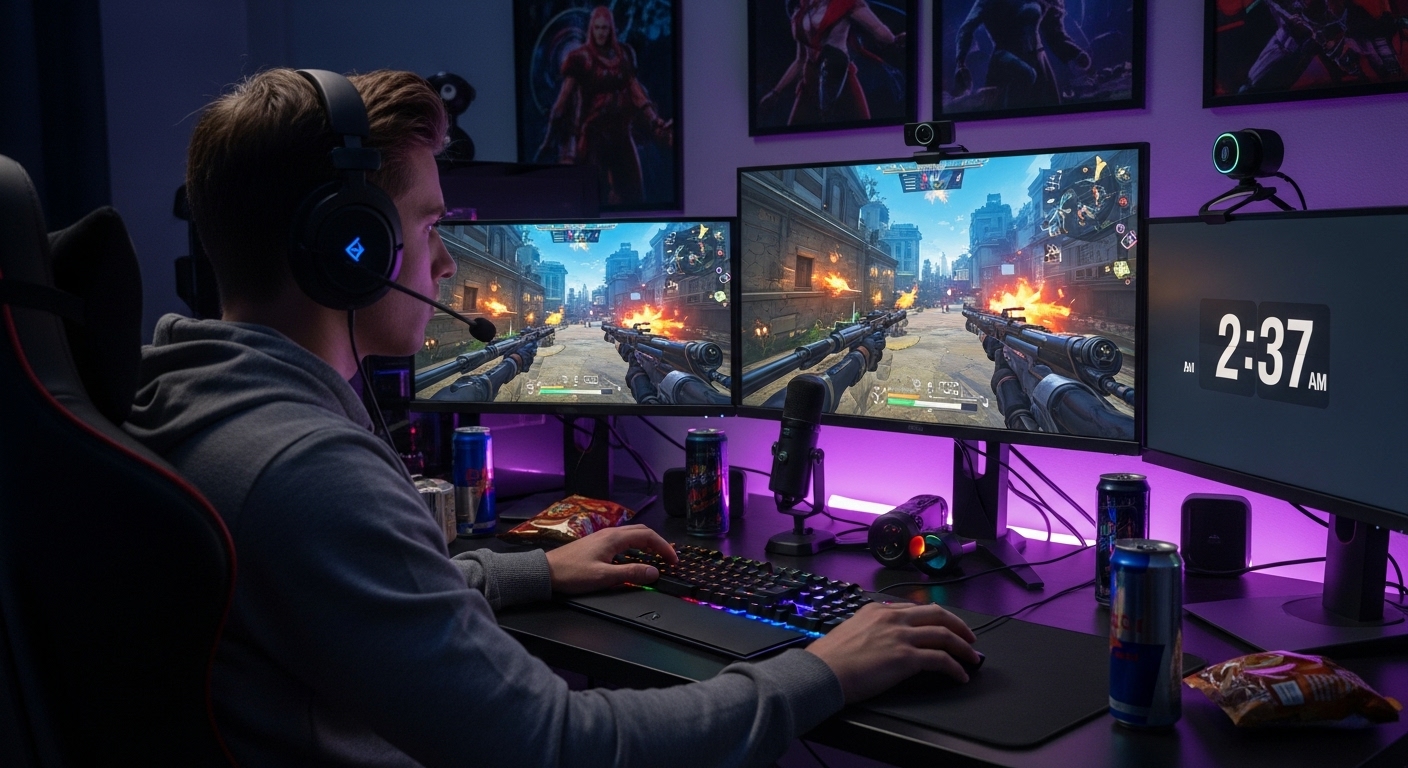
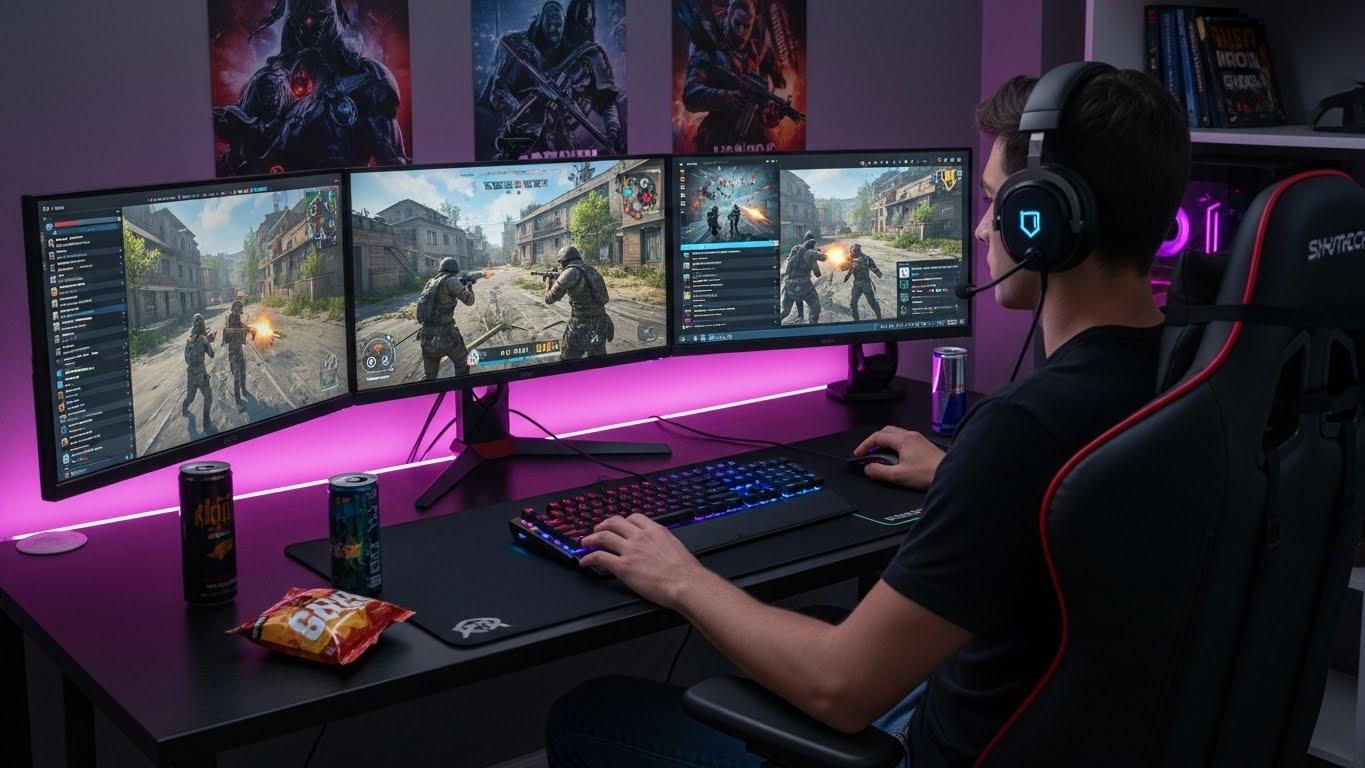
Gaming has evolved far beyond a casual pastime; it has become a global phenomenon that influences culture, technology, and social interaction. From humble beginnings with arcade machines and consoles, gaming now spans multiple platforms including PCs, consoles, mobile devices, and virtual reality systems. At its heart, gaming is about interaction, creativity, and problem-solving, offering experiences that challenge both the mind and the reflexes.
The gaming industry has grown exponentially over the past two decades. It is no longer just a form of entertainment but also a medium for storytelling, education, and social connection. Millions of people worldwide engage with games daily, participating in immersive worlds that combine narrative depth, strategic thinking, and collaborative gameplay. This evolution has transformed gaming from a niche hobby into a multi-billion-dollar industry that shapes entertainment, technology, and even social trends.
The Evolution of Gaming
The history of gaming can be traced back to simple electronic games in the 1970s and 1980s. Early arcade games like Pong and Pac-Man laid the foundation for interactive entertainment, captivating players with their simplicity and competitive nature. With the introduction of home consoles like the Nintendo Entertainment System and Sega Genesis, gaming became accessible to a broader audience, integrating into households worldwide.
The 1990s marked a major turning point with the rise of 3D graphics and more complex game mechanics. Titles like Super Mario 64 and Final Fantasy VII showcased expansive worlds and intricate storytelling, demonstrating that gaming could be as engaging and immersive as films or literature. The internet revolution further accelerated growth, enabling multiplayer experiences and online communities where players could connect, compete, and collaborate globally.
In the 2000s and 2010s, gaming became more diverse and inclusive, expanding into mobile platforms, esports, and virtual reality. The development of smartphones and app stores allowed millions of players to enjoy games on the go, while competitive gaming, or esports, transformed gaming into a spectator sport with professional players, tournaments, and global audiences. Today, advancements in artificial intelligence, augmented reality, and cloud gaming are pushing the boundaries of what is possible, making gaming an ever-evolving landscape.
Types of Gaming
Gaming is a vast field with a wide variety of genres and formats, each offering unique experiences. One of the most popular categories is role-playing games (RPGs). RPGs immerse players in rich, narrative-driven worlds where they can develop characters, make choices, and explore expansive environments. Titles like The Witcher series or Skyrim exemplify how storytelling and interactivity can create unforgettable experiences.
Action and adventure games focus on reflexes, strategy, and exploration. Players navigate challenges, solve puzzles, and engage in combat, often within cinematic worlds. Games like The Legend of Zelda and God of War combine immersive narratives with dynamic gameplay, keeping players engaged for hours.
Simulation and strategy games appeal to players who enjoy planning, resource management, and problem-solving. From city-building simulations to real-time strategy games, this genre emphasizes critical thinking and long-term decision-making. Popular examples include SimCity, Civilization, and The Sims series.
Sports and racing games replicate real-world competition, allowing players to test their skills and compete against others virtually. Football, basketball, and racing titles provide realistic mechanics, dynamic physics, and immersive graphics, giving players the thrill of real-life sports from the comfort of their homes.
Casual and mobile gaming caters to a broad audience with simple, accessible mechanics. These games often feature short sessions, intuitive controls, and social elements that appeal to players of all ages. Titles like Candy Crush and Among Us have become cultural phenomena, demonstrating the widespread appeal of casual gaming.
The Role of Technology in Gaming
Technology is at the core of gaming innovation, driving both gameplay experiences and industry growth. Graphics processing and high-definition visuals have transformed gaming into a visually stunning medium. Modern consoles and gaming PCs can render intricate environments, realistic lighting, and detailed character animations, creating immersive worlds that captivate players.
Artificial intelligence enhances gameplay by making in-game characters smarter, more responsive, and adaptive. AI-driven enemies and allies react to player actions, creating dynamic challenges that keep games engaging and unpredictable. Additionally, AI is used in procedural generation, allowing developers to create vast, unique game worlds without manually designing every element.
Virtual reality (VR) and augmented reality (AR) have introduced new dimensions to gaming. VR immerses players in fully interactive environments, making them feel as if they are physically inside the game world. AR blends digital elements with the real world, providing unique gameplay experiences that interact with players’ surroundings. These technologies are expanding the boundaries of what gaming can be, offering both entertainment and educational potential.
Cloud gaming is another technological advancement reshaping the industry. It allows players to stream games without the need for high-end hardware, making gaming accessible to a wider audience. Players can instantly access titles on various devices, eliminating the need for downloads or installations and enabling seamless cross-platform experiences.
Gaming as a Social Platform
Beyond entertainment, gaming has become a powerful social platform. Multiplayer games connect millions of players worldwide, fostering collaboration, competition, and community. Online guilds, clans, and esports teams provide opportunities for social interaction, teamwork, and leadership development. Players often build lasting friendships through shared experiences and online communication.
Streaming platforms have further enhanced gaming’s social dimension. Players can broadcast their gameplay to large audiences, interact with viewers in real-time, and build communities around shared interests. Influencers and content creators have turned gaming into a career, demonstrating that gaming is not only a pastime but also a platform for creativity, entrepreneurship, and personal expression.
Gaming conventions, tournaments, and events bring communities together in the real world, celebrating shared passions and achievements. These gatherings showcase new releases, host competitions, and provide opportunities for networking, making gaming a cultural and social phenomenon beyond the digital realm.
The Educational and Cognitive Benefits of Gaming
While gaming is often associated with entertainment, it also offers educational and cognitive benefits. Many games require problem-solving, strategic thinking, and resource management, improving players’ analytical and decision-making skills. Puzzle games, strategy titles, and complex simulations challenge the brain in ways similar to traditional learning exercises.
Games that emphasize storytelling, exploration, and creativity can enhance imagination, empathy, and critical thinking. Players make choices that impact outcomes, encouraging moral reasoning, planning, and foresight. Educational games are increasingly used in classrooms and training programs to engage students in interactive learning, demonstrating that gaming can be both fun and intellectually stimulating.
Moreover, gaming can improve hand-eye coordination, reflexes, and spatial awareness. Fast-paced action games train players to react quickly, make split-second decisions, and multitask effectively. These skills can transfer to real-world activities, highlighting the potential of gaming as a tool for cognitive development.
The Economic Impact of Gaming
Gaming has become a major economic force, generating billions in revenue worldwide. The industry employs millions of people across game development, design, marketing, streaming, and esports. From programmers and artists to professional gamers and content creators, the ecosystem supports diverse career opportunities and drives innovation in related fields.
Game sales, in-game purchases, subscription services, and merchandise contribute to economic growth, while gaming events and tournaments stimulate local economies through tourism, hospitality, and media coverage. The rise of esports has created a professional sports-like industry, with sponsorships, prize money, and global fanbases, further highlighting gaming’s economic significance.
Moreover, the gaming industry fuels technological advancement. Innovations in graphics, AI, cloud computing, and VR often originate in gaming and later influence broader applications in education, healthcare, and business. The industry’s growth continues to shape global economies and technological development.
Challenges in the Gaming Industry
Despite its success, gaming faces several challenges. One major concern is balancing entertainment with responsible gameplay. Excessive gaming can lead to addiction, social isolation, and health issues, making it crucial for developers and players to promote moderation and balance. Many platforms now include features such as playtime tracking, parental controls, and wellness reminders to address these concerns.
Cybersecurity and privacy are also significant challenges. Online games involve personal information, financial transactions, and digital assets, requiring robust security measures to prevent fraud, hacking, and data breaches. Developers must invest in encryption, authentication, and monitoring to protect players and maintain trust.
Diversity and inclusivity remain ongoing issues within the gaming industry. Representation in games and workplaces is improving, but there is still progress to be made in ensuring diverse voices are heard and respected. Inclusive design, accessible gameplay, and representation in narratives are essential for creating a welcoming environment for all players.
Future Trends in Gaming
The future of gaming promises even more innovation and transformation. Cloud gaming and streaming will continue to expand, making high-quality gaming accessible to anyone with an internet connection. Artificial intelligence will enhance adaptive gameplay, procedural generation, and personalized experiences.
Virtual and augmented reality will become more immersive, offering fully interactive worlds and experiences that blend physical and digital realities. Social gaming will continue to evolve, integrating with live streaming, community building, and collaborative play, making gaming an increasingly social and interactive medium.
Esports will grow into a mainstream entertainment platform, rivaling traditional sports in viewership and sponsorship opportunities. Gamification in education, training, and professional development will become more prevalent, demonstrating that gaming is not just entertainment but also a tool for learning and skill development.
Conclusion
Gaming is no longer a simple pastime; it has become a transformative force in entertainment, technology, and society. From immersive story-driven RPGs to fast-paced action, strategic simulations, and social multiplayer experiences, gaming offers something for everyone.
Advancements in technology, from AI to VR and cloud gaming, are constantly redefining the possibilities within interactive entertainment. Beyond fun, gaming promotes cognitive development, social interaction, and creativity, while contributing significantly to the global economy.
As the industry continues to innovate and expand, gaming will remain a central part of modern culture, connecting people across the globe, shaping technological advancements, and inspiring creativity. The future of gaming is bright, offering limitless opportunities for engagement, learning, and entertainment in ways previously unimaginable.